California falconry renewals clarify 2026-2027 fees, reporting, exam rules
California’s renewal window is open, and June 30 is the hard stop. Falcons, apprentices, and returning holders now need the right licenses, reports, and exam paperwork lined up.
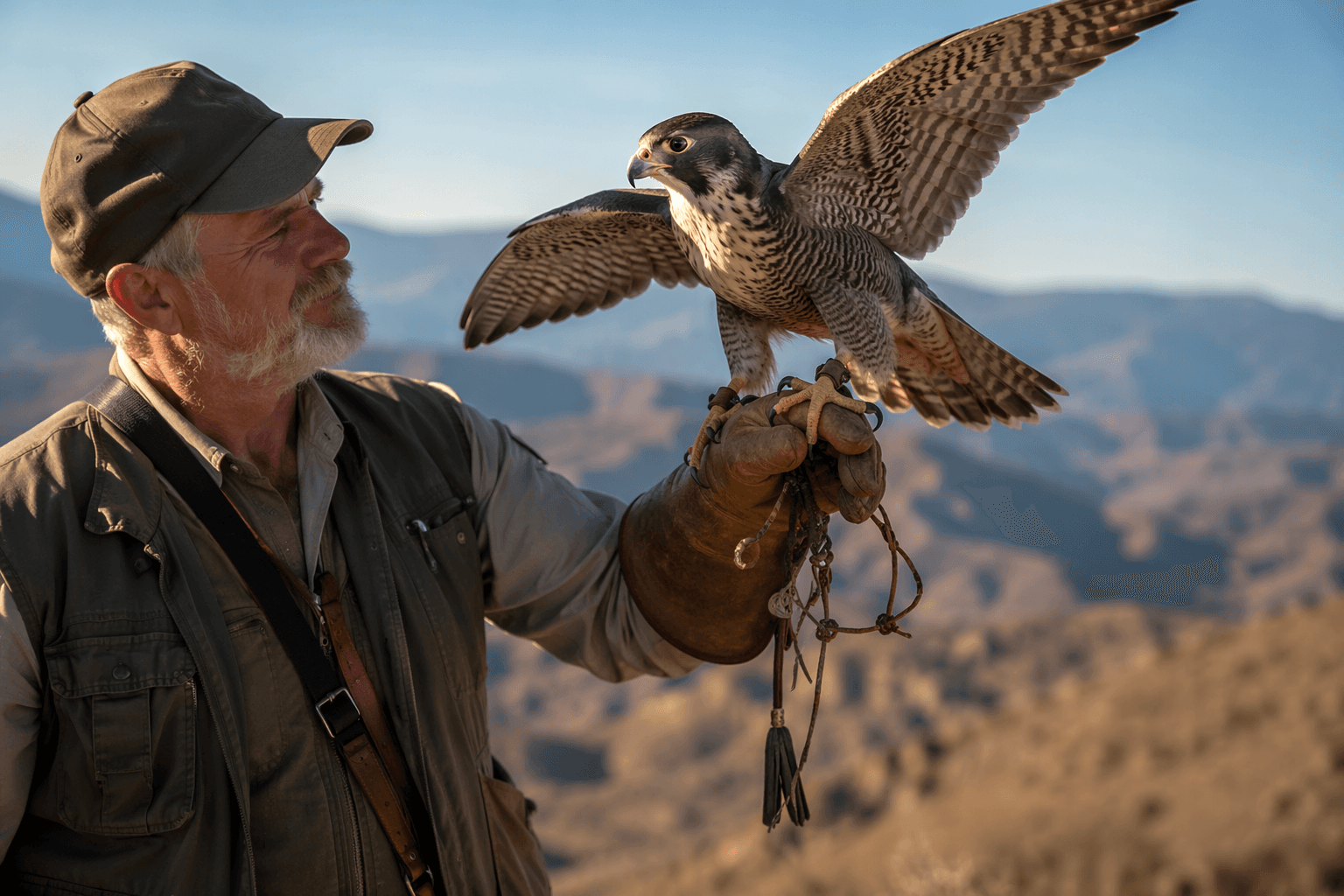
California falconers have a plain calendar reality to work with now: current licenses expire on June 30, 2026, and the 2026 license year opened on May 1, 2026. The renewal notice, revised April 16, 2026, gives enough detail to keep a license from slipping into lapse territory, but only if the paperwork, hunting license, and reporting all move together.
Renewal timing leaves no slack
The first thing to verify is the expiration date on the current license. California’s renewal notice says the present cycle ends June 30, 2026, so anything still pending on that date is already on the wrong side of the line. The notice also marks May 1, 2026 as the date the 2026 license year became available, which means the renewal period is not just a reminder, it is an active filing window.
That timing matters because falconry in California is built around continuous compliance, not retroactive cleanup. If a renewal sits too long, the license expires before the next cycle is in hand. For active hawk handlers, that is the sort of clerical miss that can interrupt everything from possession to scheduled activity.
What the renewal packet is asking for
The state’s fee structure remains built around several separate pieces: the application fee, the falconry license fee, the administrative processing fee, the examination fee, and inspection fee language tied to enclosure counts. That detail is important because it shows California is not treating the license as a single flat charge. The paperwork reaches beyond bird ownership and into the facilities that house the birds.
Historical comparison in the renewal materials shows the 2025-2026 renewal fee was $129.53, made up of a $109.70 license fee and a $19.83 nonrefundable application fee. The 2026-2027 materials continue the same fee structure and add the usual 3% nonrefundable ALDS fee cap language. For anyone renewing, that means the total cost is not just the license line item on the form; it is the whole bundle that has to be paid correctly and on time.
Do not miss the hunting license rule
One of the easiest ways to stumble is the hunting license requirement. California says anyone renewing or purchasing a falconry license who already possesses a raptor must hold a valid California hunting license, or buy one in the same transaction. That rule catches returning falconers who may be focused on the falconry renewal itself and forget that the raptor in hand changes the transaction.
For a seasoned license holder, this is the sort of box that should be checked before the renewal is submitted, not after. If a bird is already in the mews, the hunting license is part of the licensing package, not a separate afterthought.
Reports that can keep a license in good standing
California still requires raptor acquisition and disposition reporting within 10 calendar days. The current reporting page says that process is handled through the online sales and service site under Falconry Permit inventory management, where licensees create new acquisitions or file dispositions and transfers for current raptors. That is the part of the system that keeps possession records current between renewals.
The other reporting clock belongs to the annual Falconry Hunting Take Report. California’s current laws and regulations require licensees to file that report upon renewal or within 10 calendar days after expiration, and it must summarize prey species taken, counties hunted, and birds used. The rule is easy to overlook if the season ended months ago, but it still rides with the renewal paperwork.
Apprentices have one more form to watch
Apprentice falconers have an extra obligation: the annual progress report. California’s apprentice form says it must be mailed with the Falconry License Renewal Application and fees to the California Department of Fish and Wildlife by June 30, 2026. That is not a separate courtesy note; it is part of the renewal process for apprentices.
The supervision piece also still matters. California’s current licensing page says apprentice falconers may use a sponsor’s raptor for education only under the direct supervision of a General or Master falconer. For an apprentice trying to move through the system cleanly, the sponsor relationship and the progress report have to line up with the renewal packet.
Exams and capture opportunities are back on the table
For new entrants and anyone helping an apprentice get started, the exam schedule is no longer a dead end. California Department of Fish and Wildlife says falconry examinations have resumed on a limited basis at some regional offices. That limited availability makes the exam a practical planning item, not just a study milestone.
The department also points applicants to a Special Raptor Capture Drawing that opened online or at Department License Sales offices beginning April 1, 2026. That gives active falconers another process to watch alongside renewal, especially if the season involves capture planning as well as paperwork.
Education, exhibitions, and the line California will still enforce
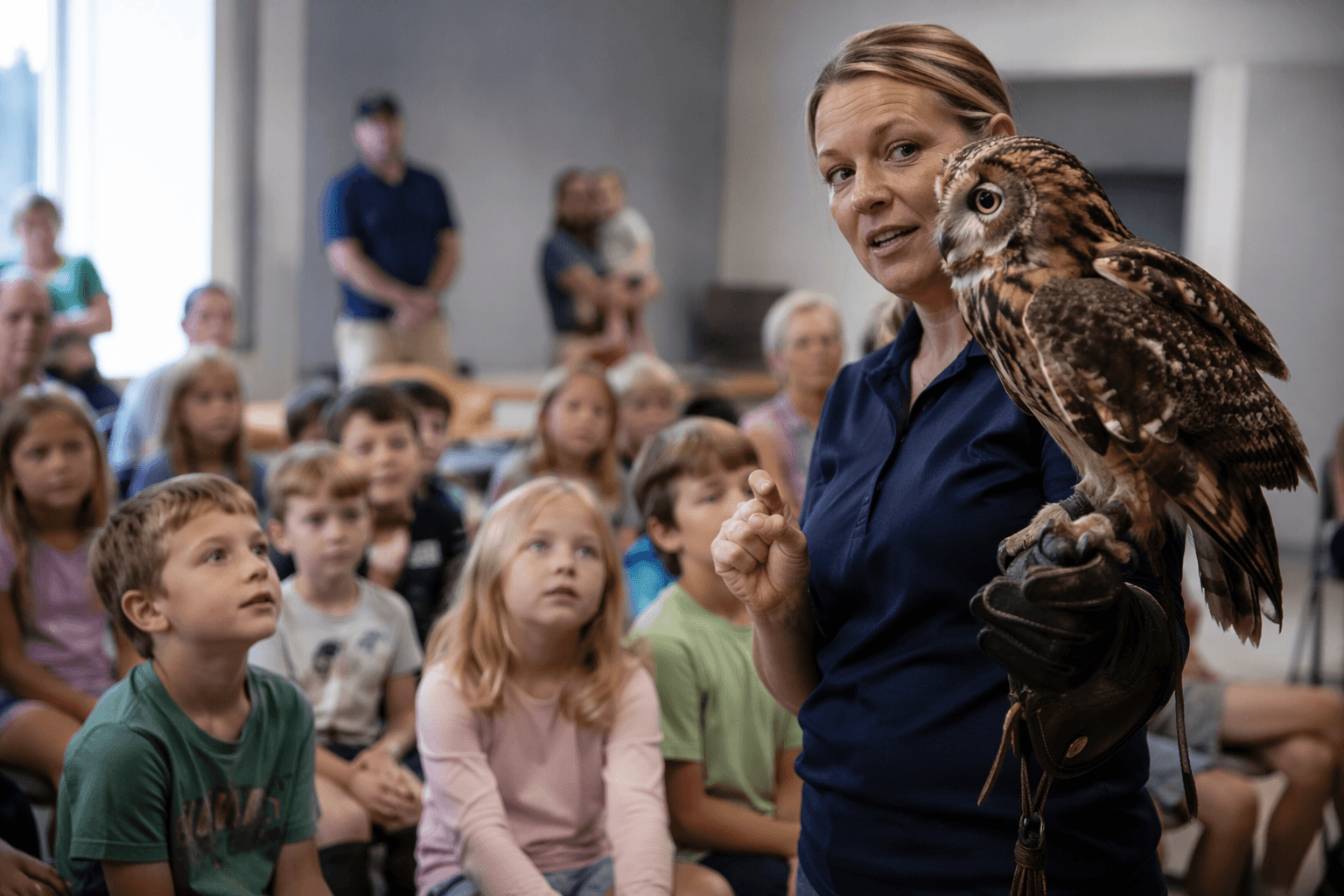
California’s licensing page also reflects the legal cleanup that followed the 2022 court order. The department says it will no longer enforce one education-and-exhibiting provision, but raptors may still be used for training, education, field meets, and media work when federal permits are in place and the activity remains related to falconry, biology, ecology, or conservation.
The federal standard stays aligned with that narrower approach. The U.S. Fish and Wildlife Service says educational programs using migratory birds must have conservation, biology, and or ecology as a primary component. California’s current page adds another practical constraint: educational use is still allowed only with federal authorization and cost recovery limits. In other words, the work can happen, but it has to stay inside the permitted falconry lane.
The rule changes have recent legal roots
The state’s 2025 regulatory package says the California Fish and Game Commission adopted falconry amendments on June 12, 2025 to conform state rules with recent court orders and federal falconry regulations. California’s 2025 ISOR says those amendments were also made in response to a Ninth Circuit opinion concerning the certification requirement for falconry permits. That background explains why the current renewal materials feel so procedural: the system has been adjusted to match both court guidance and federal rules.
For falconers renewing now, that history matters less as theory than as a reminder that the forms are not static. California is still managing falconry through licensing, reporting, exams, facility review, and bird-use limits, with the latest renewal cycle making the deadlines especially easy to miss if you are not paying attention to every box.
The practical takeaway is simple: before June 30, check the expiration date, the hunting license, the take report, the acquisition and disposition log, and, if you are an apprentice, the progress report. In this system, a missed form is not an abstract administrative problem. It is how a license lapses.
This article was produced by Prism’s automated news system from verified source data, official records, and press releases, then run through automated quality and moderation checks before publishing. The system is built and supervised by the people who set the standards it runs under. Read our full AI policy.
Did this article answer your question?