Cotswold Falconry Centre updates summer displays, experiences, and conservation focus
Three daily flying displays, hands-on experiences, and a conservation-heavy collection make Cotswold Falconry Centre a strong one-stop visit for bird-of-prey fans.

Three flying displays, private or group experiences, and a collection of more than 150 birds of prey make Cotswold Falconry Centre feel firmly in season. The practical question for a falconry visitor is not whether there is enough to fill a day, but how much of the visit is theatre and how much is real learning. Here, the answer is that the two are tightly stitched together.
What a single visit actually looks like
The centre says its doors open at 10:30 a.m. on June 22, 2026, with flying displays at 11:30 a.m., 1:30 p.m., and 3:00 p.m. That schedule is the clearest clue to how the day works: arrive early, catch multiple flights, and use the gaps to walk the aviaries and speak to staff. The centre also says experiences are available, including private or group options, which pushes the offer beyond a standard spectator stop and into something closer to a structured falconry encounter.
- the 11:30 a.m., 1:30 p.m., and 3:00 p.m. displays
- a private or group experience for a closer look at the birds
- time between displays to see the breeding aviaries and the wider collection
For a first-time visitor, that means the day can be built around three things:
The centre’s own visitor guidance says all-day admission is valid, so the displays are not meant to be a one-shot hit. You can stay, circle back, and use each flight to compare species, handling style, and presentation.
The balance between show and substance
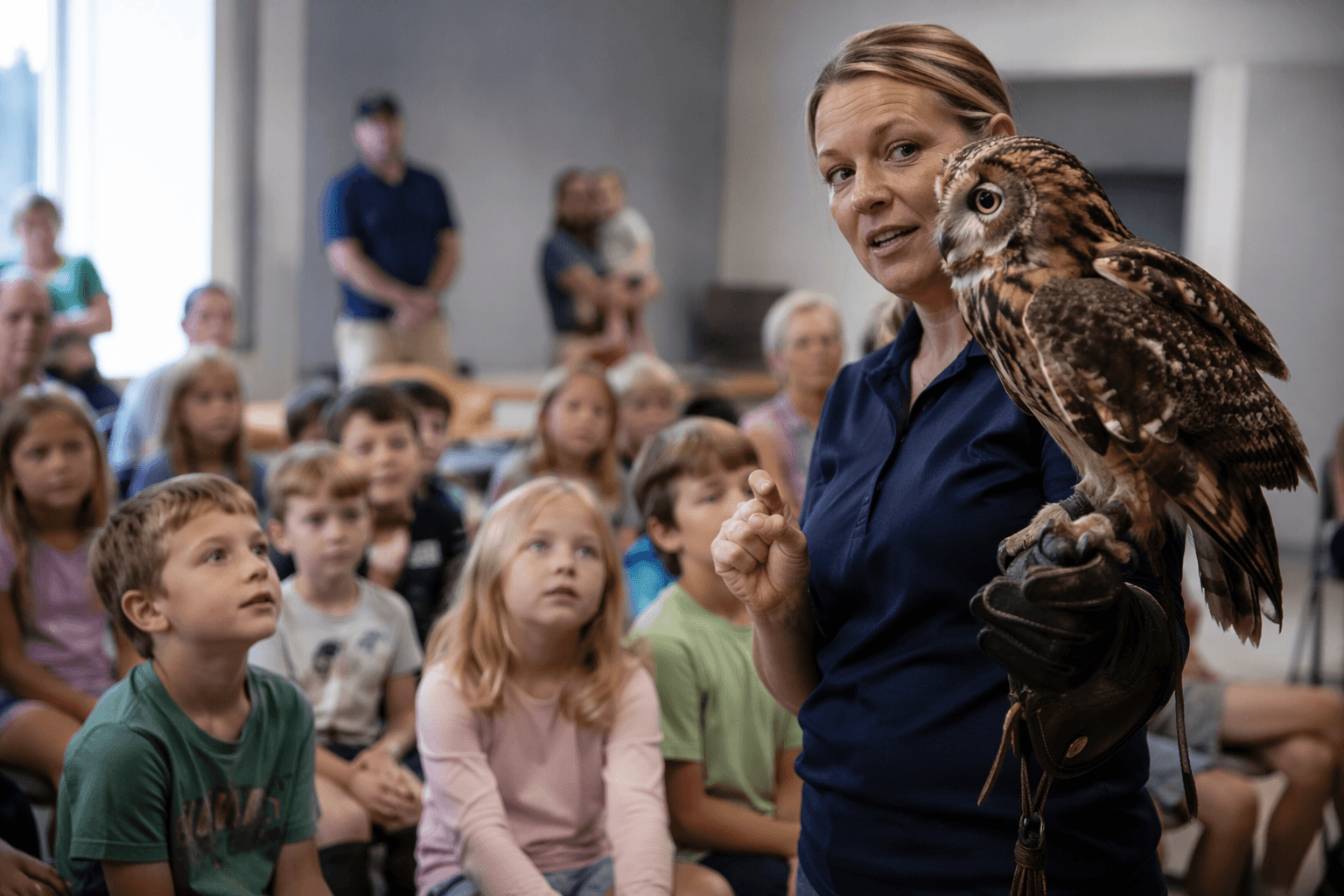
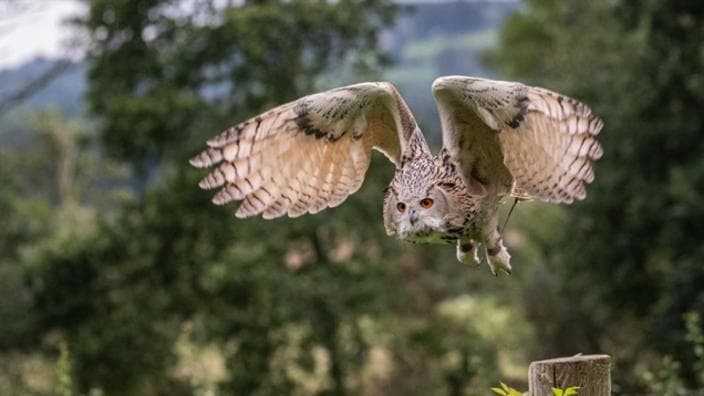
The flying displays are presented as demonstrations of how the birds would hunt and fly naturally in the wild. That matters, because it changes the feel of the day from pure entertainment to a live explanation of falconry mechanics: speed, lift, response to lure or glove, and the way different species use their bodies in the air. If you care about the craft as much as the spectacle, that framing makes the displays more useful than a simple bird show.
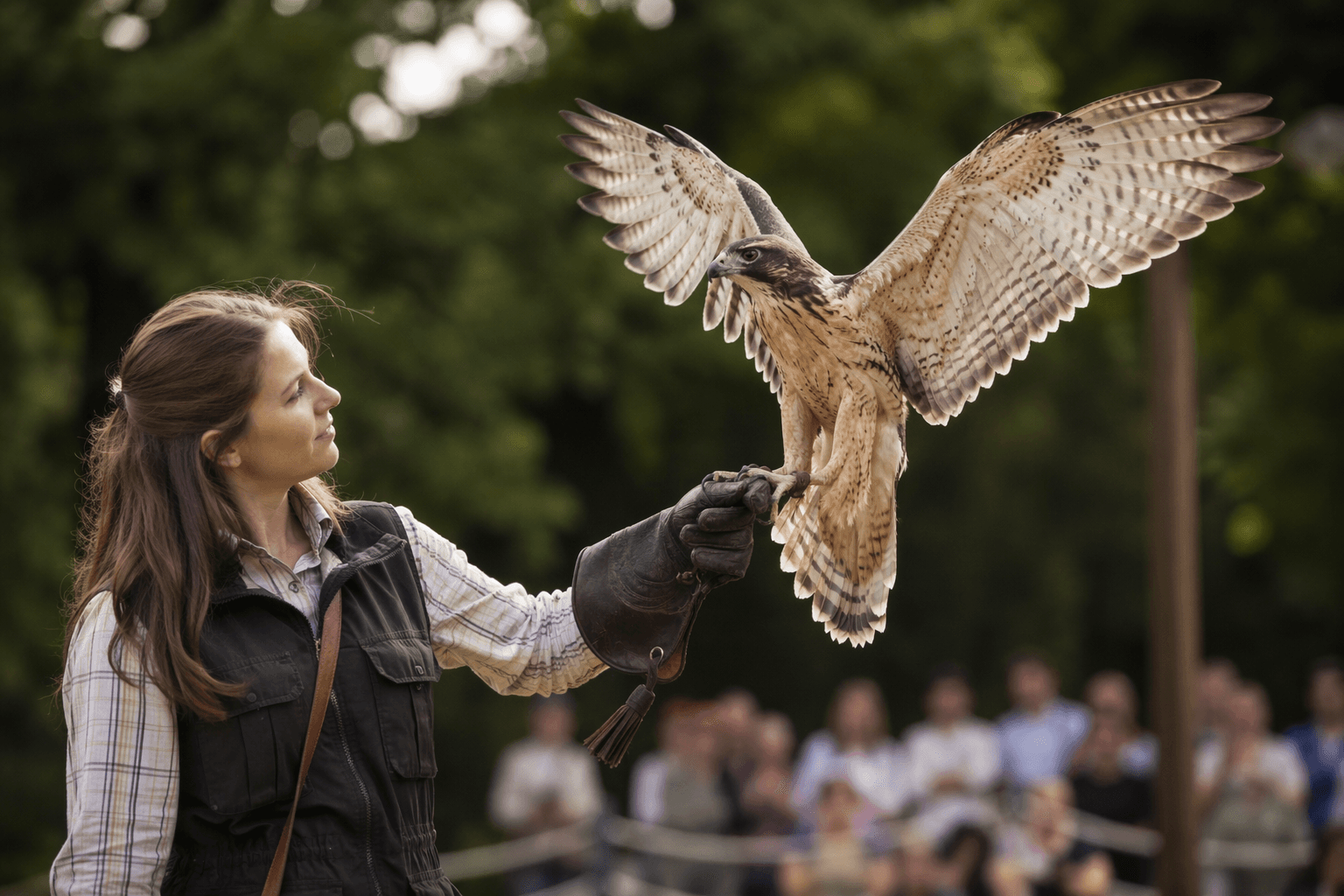
The experiences deepen that effect. The centre says the private or group sessions are there for people who want a closer look, better photos, and a deeper dive into the lives of the birds on site. That is the part of the offer most likely to appeal to working falconers, apprentices, and serious newcomers, because it suggests time with the birds rather than only a crowd-facing performance. The pitch is clear: the centre is not just selling a place to watch birds fly, but a way to understand how they are managed, trained, and presented.
The collection is unusually broad
Cotswold Falconry Centre says it holds more than 60 species and around 150 birds of prey, spanning everything from tiny pygmy falcons to vultures and eagles. That is a serious spread for anyone who wants to compare size, shape, flight style, and working temperament across a wide range of raptors. It also gives the centre more than one layer of appeal, because a family visit, a photography outing, and a hobbyist’s reference trip can all come away with different takeaways from the same collection.
The visitor guidance adds another useful detail: breeding aviaries can be viewed between displays. That is where the day stops being a stage performance and starts looking more like an active bird-of-prey collection with a husbandry backbone. Between the flights, you are not just waiting around for the next event. You are seeing the birds housed, paired, and managed in a setting that extends beyond public demonstration.
Conservation is built into the visit
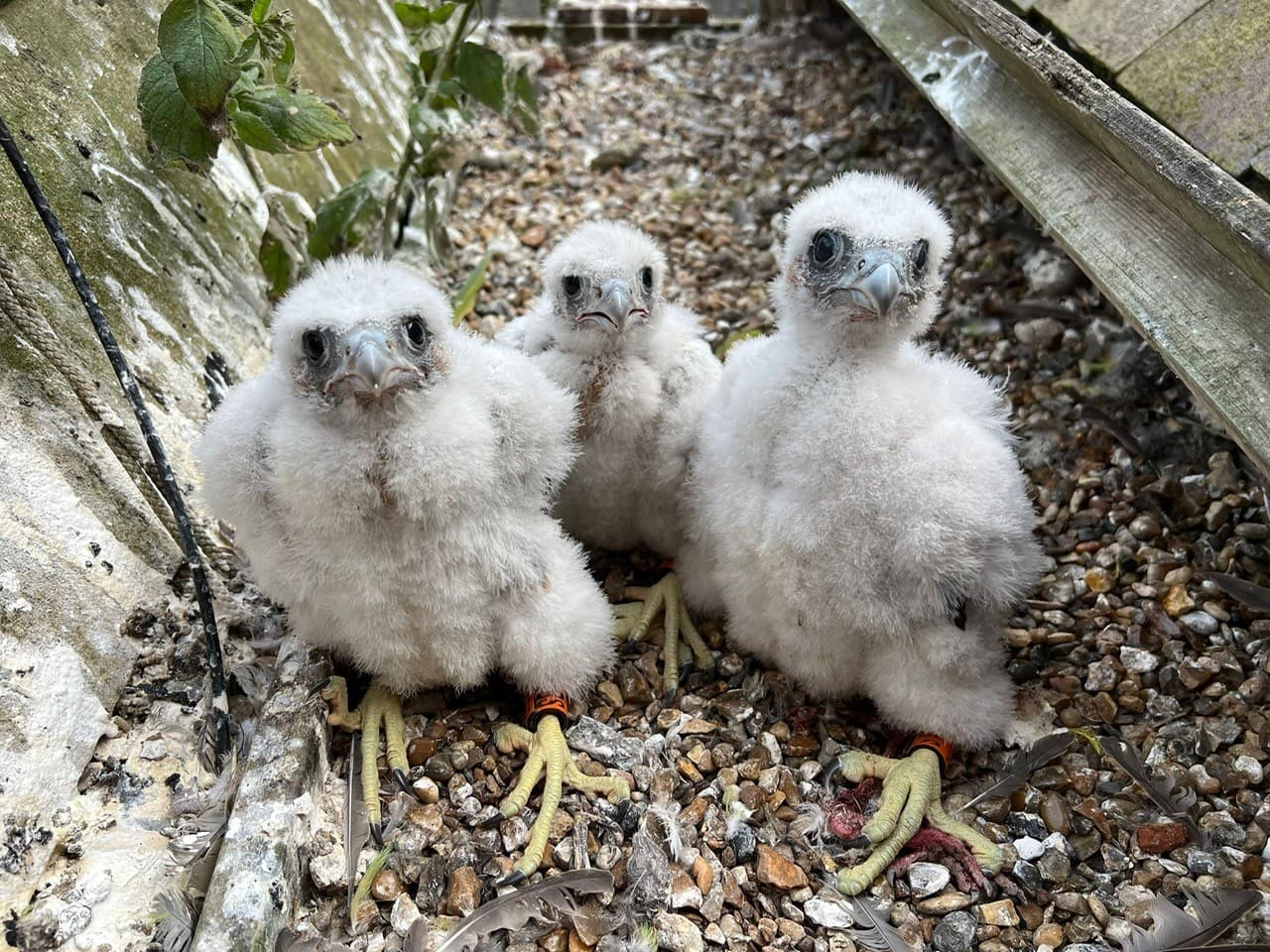
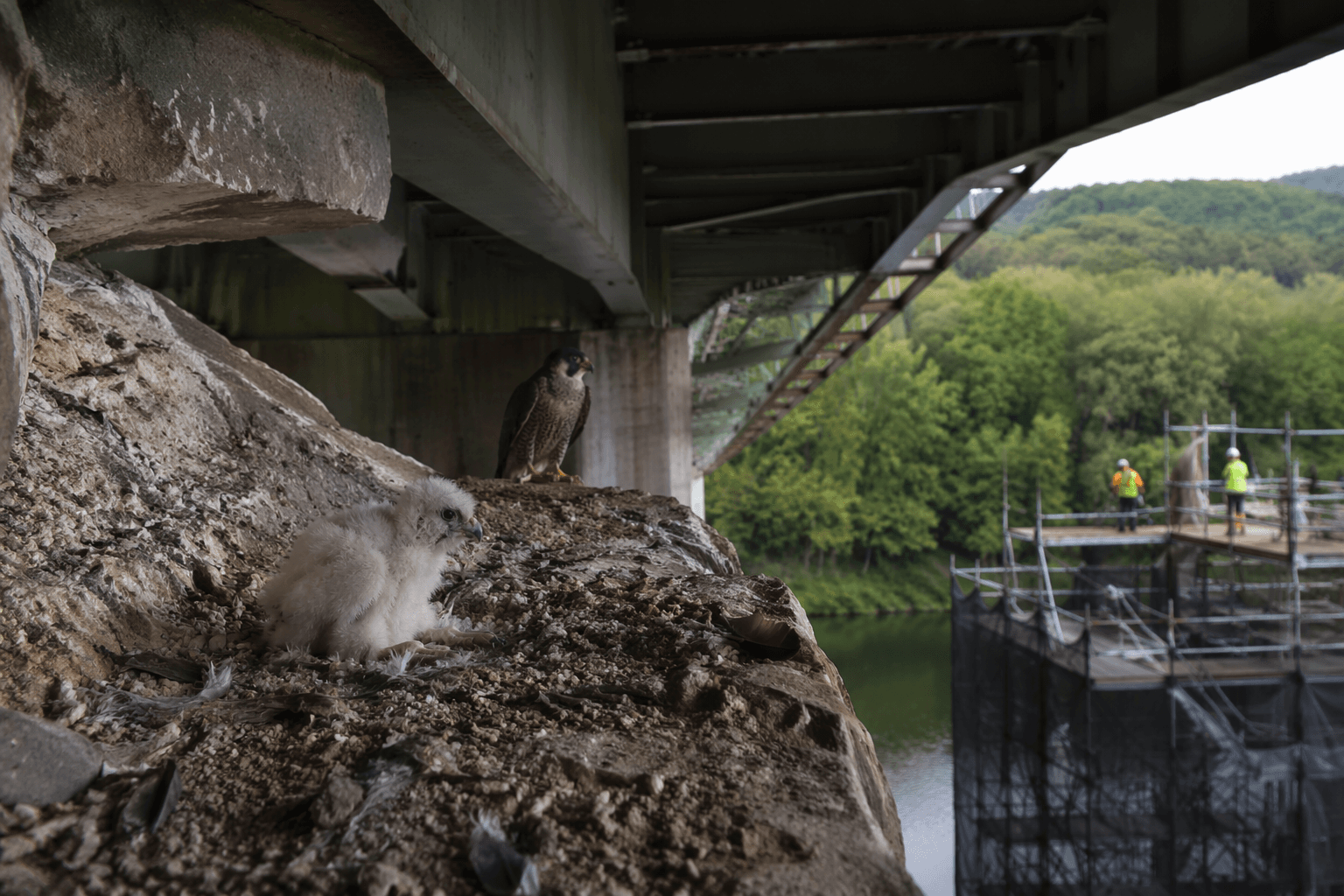
The centre says it is home to some birds that are critically endangered in the wild, and it makes a point of discussing the problems those species face. It also says it uses CCTV on many of the nest sites, which is a small operational detail that tells you a lot about how the place functions. This is not a showground that happens to keep birds on the side. It is an active breeding and monitoring site that brings conservation into the visitor path.
That conservation message gives the summer offer more weight than a simple family day out. If you come for inspiration, the birds themselves provide it. If you come to learn, the centre is clearly trying to explain why these species matter, what threatens them, and what visitors can do to help. For a falconry audience, that combination of display birds, breeding work, and endangered-species messaging is the part most worth paying attention to.
Where it sits in the Cotswolds circuit
The centre is next to Batsford Arboretum near Moreton-in-Marsh, Gloucestershire, which makes it easy to pair with another destination in the same outing. Batsford Arboretum says the falconry season runs from mid-February to mid-November, with last admission at 3:00 p.m. and daily opening from 10:30 a.m. That timing matches the centre’s own display schedule and reinforces the sense that the day is designed around moving from one flight to the next without rushing.
The setting also explains why it remains such a durable draw. Tripadvisor currently lists Cotswold Falconry Centre as the No. 1 attraction in Moreton-in-Marsh, with a 4.8 rating from 1,187 reviews. That kind of sustained public response suggests the place is doing something right for both casual visitors and people who know a goshawk from a kestrel.
A centre with roots, not just a summer calendar
The centre says Geoff and Naomi Dalton opened it in 1988, and its history page adds that the official opening was on March 10, 1989. Geoff Dalton was already working with birds of prey in the 1970s, so the site grew out of long practical experience rather than a passing idea for a tourist attraction. That background helps explain why the centre’s current summer pitch feels so complete: the displays, the experiences, the breeding aviaries, and the conservation angle all sit inside a business that has spent decades refining how it presents raptors to the public.
For a falconry visitor deciding whether the trip is worth the time, the answer is yes if you want more than a single flight demonstration. This is a place where the public show, the bird collection, and the conservation message all share the same perch.
This article was produced by Prism’s automated news system from verified source data, official records, and press releases, then run through automated quality and moderation checks before publishing. The system is built and supervised by the people who set the standards it runs under. Read our full AI policy.
Did this article answer your question?