Easton Lodge open day adds falconry, wildlife and history displays
Falconry is the hook at Easton Lodge’s summer open day, but the real pull is a full heritage-and-wildlife mix built to bring first-time visitors closer to the estate.

The Gardens of Easton Lodge is using its summer open day as a wide-open invitation into the world behind the birds. In Great Dunmow, the event folds live falconry, local wildlife, family trails, and Victorian history into one day out, with Fens Falconry taking the 2 p.m. display slot on Sunday, July 12, 2026.
What visitors see on the day
The open day runs from 11 a.m. to 5 p.m., with last entry at 4 p.m., and the practical details are as visitor-friendly as the programming. Adult entry is £6 if bought in advance or £7.50 on the gate, children go free, and dogs on leads are welcome. Alongside the birds-of-prey display, the grounds will include a wildlife trail, archery, family activities, refreshments, and music from the Harlow Concert Band.
That mix matters because it changes the feel of the day. The falconry is not being staged as a separate specialist showcase tucked away in a corner of the programme. It sits inside a broader countryside event, the kind that lets a family drift from a raptor display to a walk through the gardens, then on to archery, refreshments, and the band without ever losing the thread of the site’s natural and historic character.
There is also a horticultural thread running through the day. Visitors can take in the gardens themselves, see what lives around the lily pond and wild grasses, and discover the estate through garden-grown vegetables as well as the more familiar ornamental spaces. A photography competition adds another layer, turning the day’s discoveries into something people can carry home in images as well as memory.
Why the falconry is back
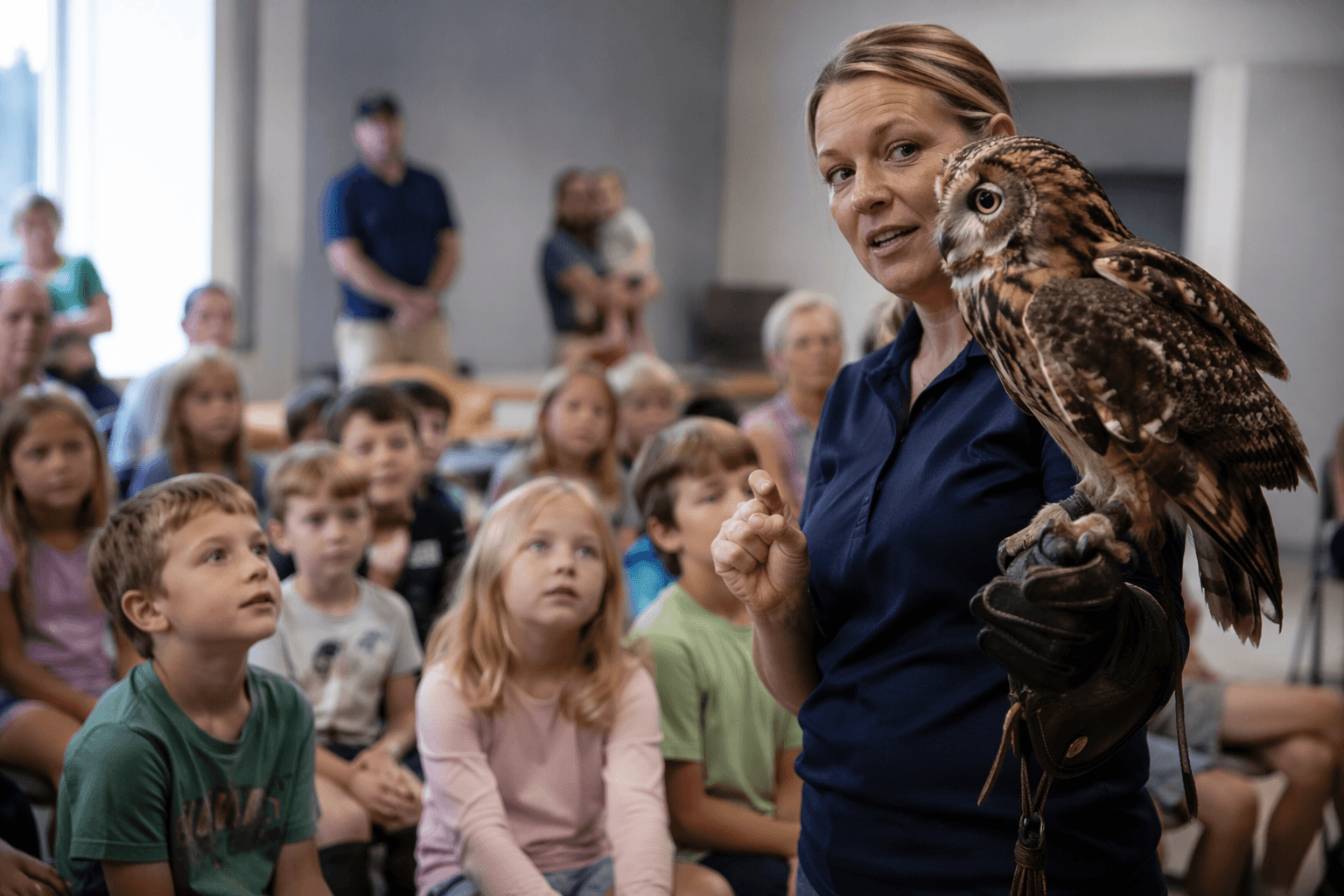
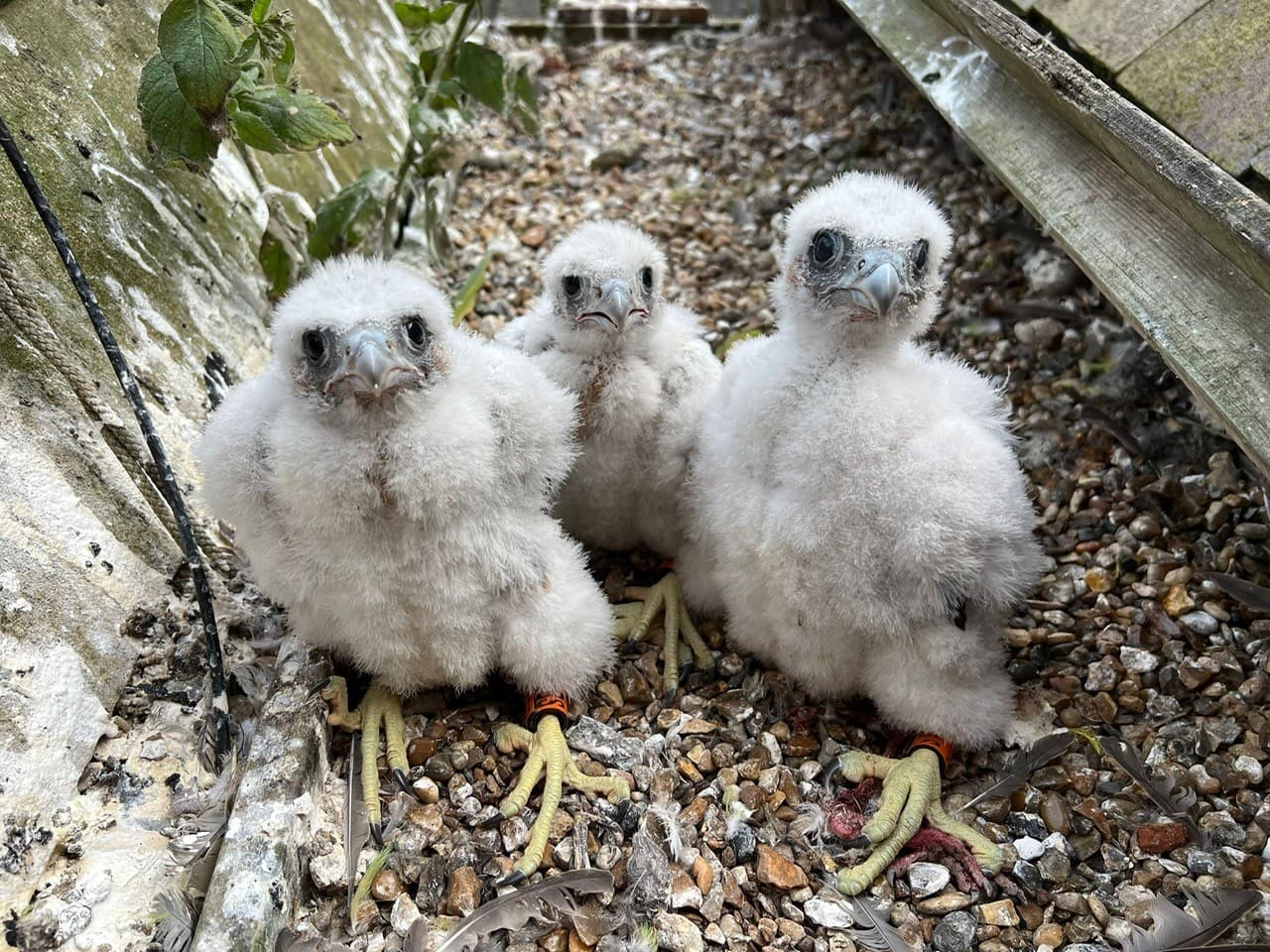
The birds are returning for a reason that will sound familiar to anyone who works this side of the hobby. The trust says visitors loved seeing and learning about native birds of prey last year, so they have been invited back. That is the key access point here: a public-facing demonstration that is meant to introduce the craft, the birds, and the handling culture to people who may never have stood this close to a hawk, falcon, or owl before.
For families and casual countryside visitors, that is often the moment the hobby becomes legible. A live display gives a chance to see the birds at work, hear about native species, and connect the spectacle to practical knowledge about wildlife and conservation. At Easton Lodge, that educational role is built into the day rather than treated as an add-on, which is exactly why events like this can move people from curiosity to a first booking, a return visit, or a deeper interest in the sport.
The setting helps too. The Gardens of Easton Lodge Preservation Trust has already used this formula, including a 2025 nature day that paired Fens Falconry with pond-dipping and bug hunts. That kind of programming does two jobs at once: it gives visitors a lively day out, and it shows that falconry sits naturally alongside broader wildlife education rather than apart from it.
The Countess of Warwick connection
The heritage layer gives the open day a stronger identity than a standard garden fair. A special family trail around the grounds will focus on the animals and birds associated with the Countess of Warwick, the Victorian owner of the estate. Archivists will also display material about her involvement with animals and natural history organisations, adding documentary context to the living birds on display.
That history is rooted in Frances Maynard, Countess of Warwick, known as Daisy, who inherited Easton Lodge at the age of three. The trust’s history materials describe her as someone who was active in the welfare of the local community and interested in natural history, which makes the open day’s mix of birds, archive material, and outdoor discovery feel more connected to the estate’s own story than a one-off festival theme.
The archive display in the building deepens that picture with stories and photographs relating to the site’s wider history, including Daisy’s love of the outdoors and animals. Seen together, the family trail and archive material do more than decorate the day. They position falconry inside the longer life of the estate, where birds of prey become part of a Victorian and conservation-minded narrative rather than a novelty act.
A day built for first-time visitors and returning regulars
The shape of the event suggests a clear recruitment strategy for the gardens and for falconry itself. Discounted advance tickets, free entry for children, and the combination of birds, music, activities, and refreshments make the open day easy to approach even for people who are not arriving as dedicated bird of prey fans. The estate is not asking visitors to choose between heritage and wildlife, or between a garden visit and a falconry demonstration. It is offering all of them in one circuit.
That is where Easton Lodge’s open day becomes especially interesting for the wider hobby. A display at 2 p.m. can be the entry point, but the surrounding programme does the work of conversion: the wildlife trail makes the birds part of a local ecosystem, the archive display gives them a historical frame, and the family trail makes the Countess of Warwick part of the same story. By the time visitors have seen the birds, walked the grounds, and looked at the archive material, they are no longer just attending a show. They are being welcomed into the culture around the craft.
The result is a summer open day that uses falconry exactly where it works best, as a live, visible, human-scale way to connect people with birds, history, and place. At Easton Lodge, the hawks are the hook, but the whole day is designed to make that first glimpse lead somewhere else.
This article was produced by Prism’s automated news system from verified source data, official records, and press releases, then run through automated quality and moderation checks before publishing. The system is built and supervised by the people who set the standards it runs under. Read our full AI policy.
Did this article answer your question?