HawkWatch explains husbandry terms for new falconers and raptor handlers
Husbandry is the first lesson in falconry because it governs the bird’s health, handling, and legality. HawkWatch’s new glossary turns that daily discipline into a practical guide for beginners.
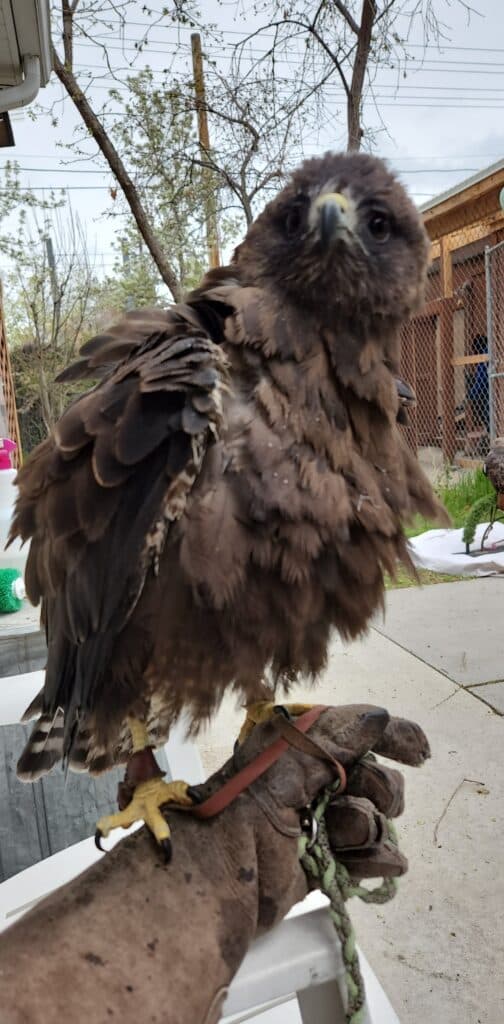
Husbandry is the first term new falconers need to understand because it is not just vocabulary. It is the daily discipline behind safe, legal, ethical raptor work, from feeding and cleaning to housing, observation, equipment checks, and the careful management of stress, weight, and behavior.
Why HawkWatch starts here
HawkWatch International published “Raptor Vocab 101: Husbandry” on June 18, 2026 as a short glossary-style explainer in its 2026 blog stream. The piece is intentionally non-exhaustive, and the organization says it uses the terms it commonly reaches for when working with its own Raptor Ambassadors. That makes the post feel less like a glossary on a shelf and more like a field notebook for people who are just learning how raptor work sounds, looks, and operates.
That framing matters in falconry. New handlers can get pulled toward the spectacle of the flight, the hunt, or the bird itself, but husbandry is what makes all of that possible in the first place. A bird that is well fed, clean, properly housed, and closely observed is a bird that can be handled responsibly. A bird that is rushed, stressed, poorly maintained, or poorly weighed is not just harder to work, it is being failed at the most basic level.
What husbandry means in practice
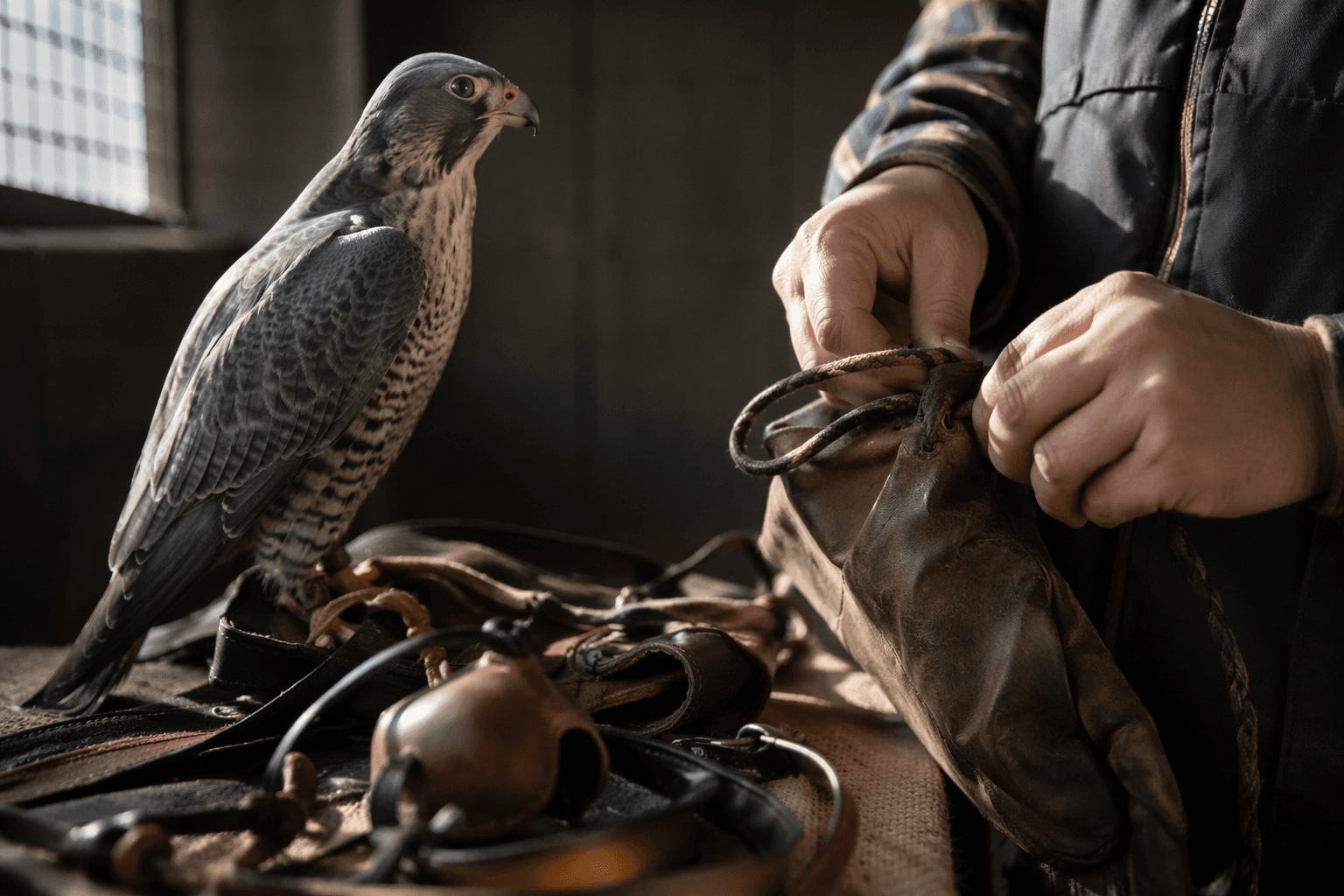
In the mews, husbandry is concrete. It is the food plan and the scale, the condition of the housing, the cleanliness of the perch and floor, and the habit of checking the bird before and after work. It is also the discipline of noticing small changes, because raptors often tell you something is off long before a problem becomes obvious.
That is why husbandry is not a soft skill or a side note to hunting. It is the framework around weight management, mews hygiene, equipment care, and daily routine. If those pieces are off, the bird’s behavior changes, the training session changes, and the safety of the entire setup changes with them. For beginners, that is the useful lesson hidden inside a glossary post: the words are only useful if they point back to the bird’s actual condition.
The education model behind the glossary
HawkWatch’s broader mission gives the husbandry explainer a clear context. The organization says it exists to conserve the environment through education, long-term monitoring, and scientific research on raptors as indicators of ecosystem health. It says it has been doing raptor research in the American West since 1986, and it plans to celebrate 40 years of raptor research, education, and conservation in fall 2026.
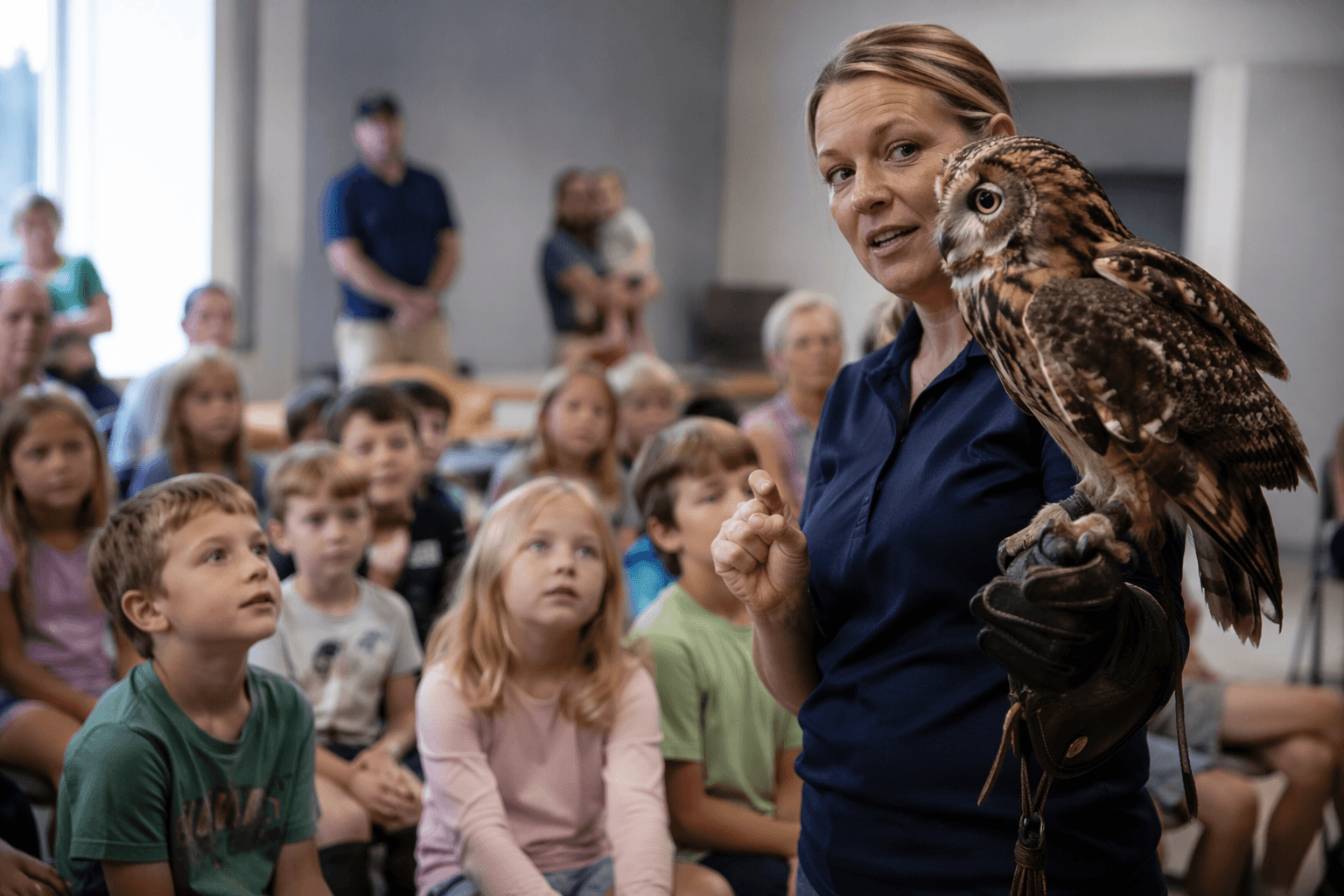
The education work is not abstract. HawkWatch says it educates thousands of people each year with the help of a team of ten non-releasable Raptor Ambassadors. Its education program books those birds for classroom visits, special events, and virtual programs, which means the organization is teaching the public with living examples, not just diagrams and definitions. That is a practical fit for a husbandry glossary: the birds themselves become the clearest argument for why care, consistency, and handling standards matter.
Falconry is a regulated craft, not a loose hobby
The U.S. Fish and Wildlife Service defines falconry as the art of training and using a raptor to hunt quarry for sport. That definition puts the bird, the training, and the hunt into one regulated practice. It also makes clear that husbandry is inseparable from compliance, because handling a bird in falconry is never just about personal style or tradition.
Federal rules require falconers to use the 3-186A database to report take, transfer, loss, theft, and death of falconry birds. State, tribal, and territory coordinators are part of that reporting structure, which means the system tracks a bird’s life across ownership, management, and circumstance. In that setting, husbandry extends beyond the mews and into the paperwork: a disciplined falconer keeps the bird healthy and the records accurate.
Why the old language still matters
The Archives of Falconry places the practice in a much longer arc, saying falconry’s origins reach back nearly to the dawn of civilization, even though scholars still debate its exact birth. The archive also says it preserves falconry heritage and celebrates falconers’ role in the birth of raptor conservation. That history explains why the vocabulary around falconry can feel so specialized. The words are not there to exclude people; they are there because the craft has been built, refined, and passed down for centuries.
For a newcomer, that can make a term like husbandry seem broader than expected. It is broader. It covers the ordinary work that keeps a hawk or falcon ready for the field, and it marks the point where tradition becomes responsibility. When experienced handlers use the word, they are naming the part of the job that happens every day, whether anyone is watching or not.
What HawkWatch’s 2026 field season shows
The organization’s spring migration wrap-up gives a sense of the scale behind that approach. Six crew members spent more than 1,000 hours monitoring, counted nearly 7,000 birds, and welcomed 3,382 visitors. Those numbers reflect the same habits the husbandry glossary tries to teach: observe closely, document carefully, and stay attentive to what the birds are telling you.
That is why HawkWatch’s explainer lands where it does. Husbandry is not filler around falconry, and it is not a term to skim past on the way to the exciting parts. It is the part of the work that keeps the bird healthy, the handler accountable, and the whole craft grounded before the hawk ever leaves the glove.
This article was produced by Prism’s automated news system from verified source data, official records, and press releases, then run through automated quality and moderation checks before publishing. The system is built and supervised by the people who set the standards it runs under. Read our full AI policy.
Did this article answer your question?