Kuwait hatches its first homebred peregrine falcon
Kuwait’s first homebred peregrine hatched through artificial insemination, a breakthrough that could cut import dependence and reshape local bloodline management.
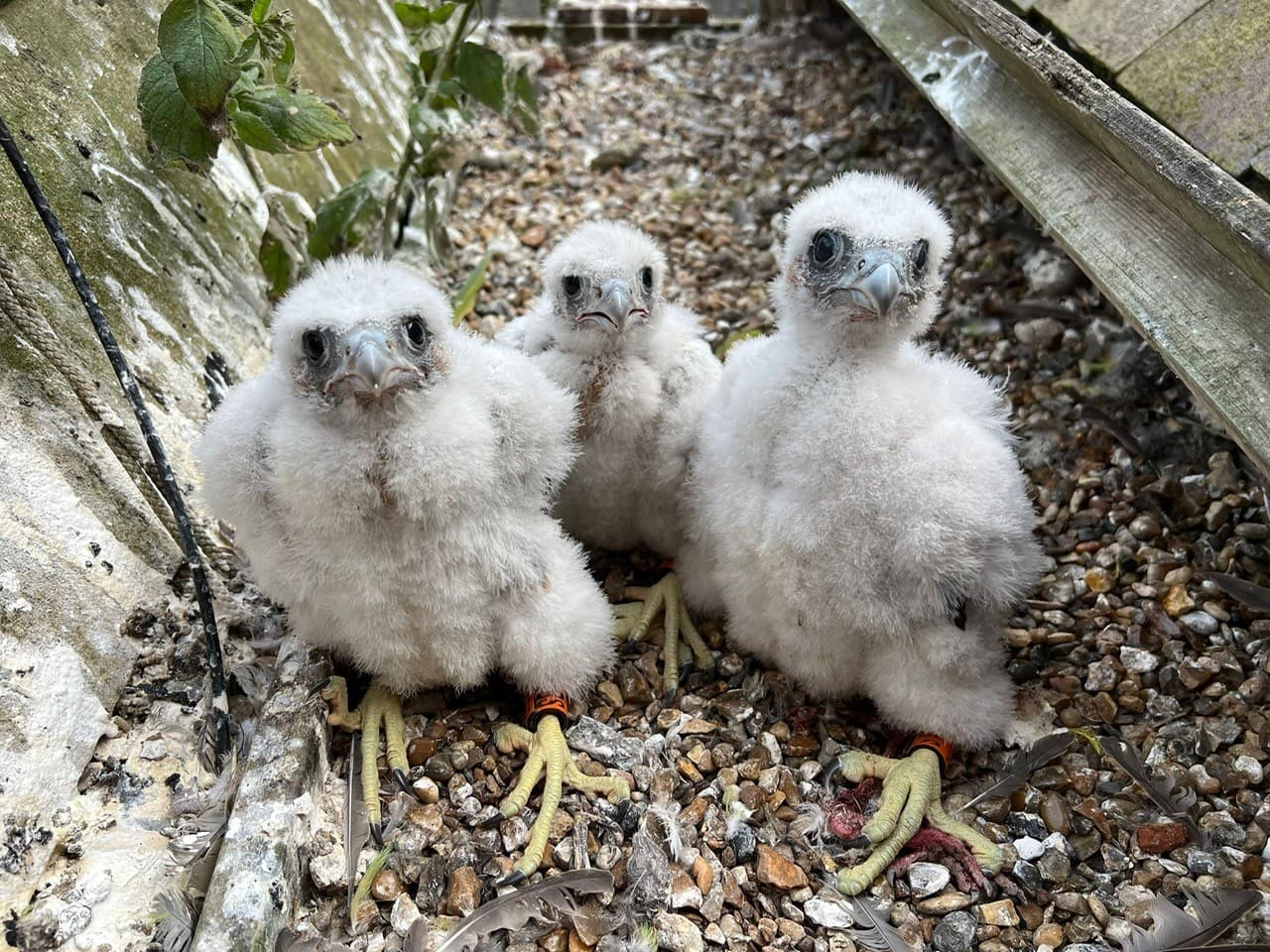
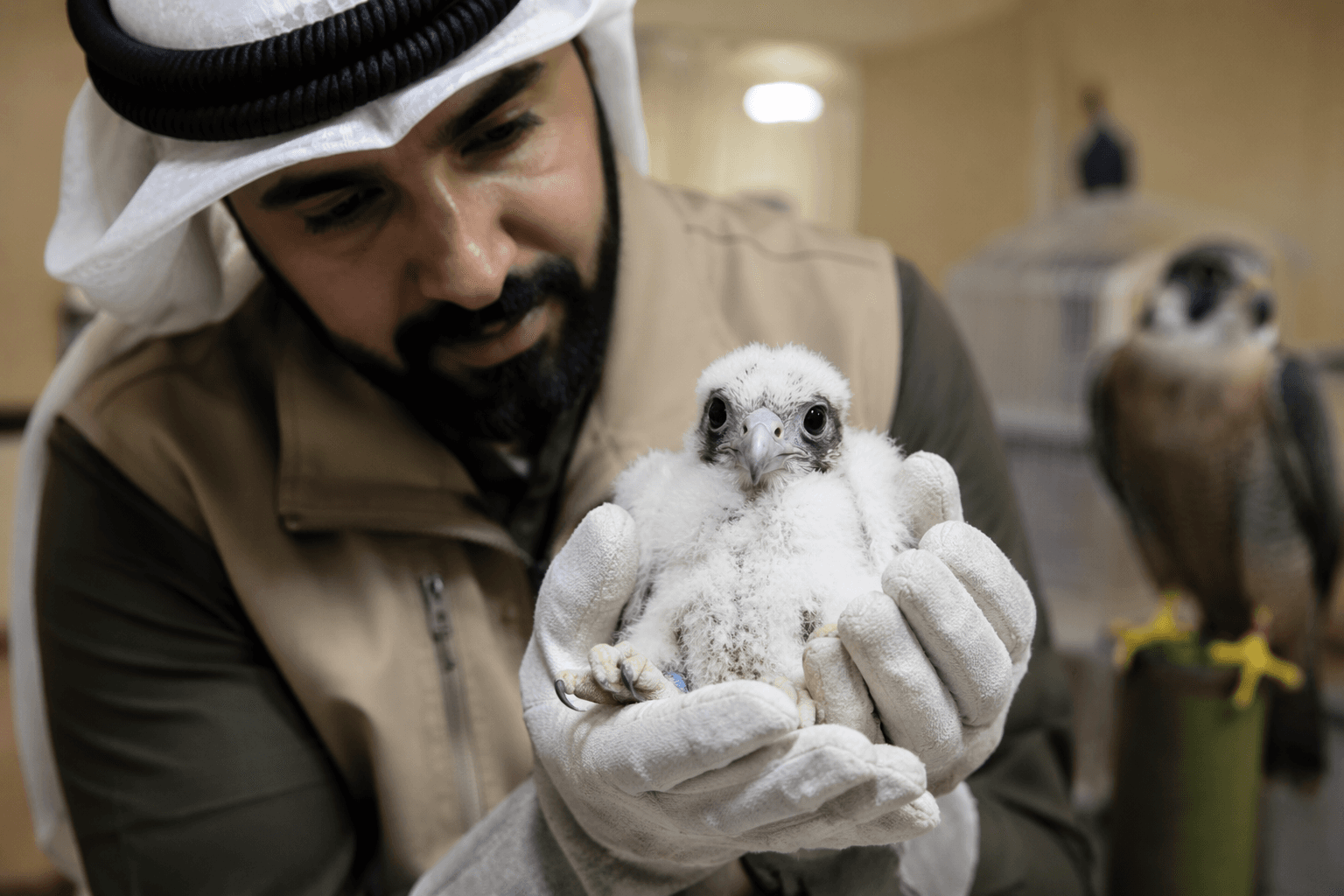
Kuwait has produced its first homebred peregrine falcon, a chick created through artificial insemination after years of planning, research and experimentation. For falconers, the significance goes well beyond a single hatch: it gives Kuwait a local breeding foothold in a species that sits at the center of Gulf falconry.
Falconer Salem Al-Sahloul, one of the project’s founders, said the idea of breeding falcons locally began about 10 years ago after the team studied breeding farms in other Gulf states and in Europe. He said artificial insemination techniques were introduced in Kuwait two years ago, turning a long-running concept into a working method for reproduction, incubation and early rearing under local conditions.
That matters in practical terms for the region’s falconry ecosystem. A successful homebred peregrine can reduce reliance on imports, give breeders more control over bloodlines and traceability, and make disease management easier than depending on birds brought in from outside. It also shows that Kuwaiti falconers are building the specialist veterinary and husbandry skills needed for precision breeding, where timing, record keeping and incubation all have to line up for a chick to make it through the first stages of life.
The achievement also fits the way modern Gulf falconry is changing. Peregrines remain prized for their speed, athleticism and place in heritage flying, but the hobby increasingly depends on technical breeding infrastructure as much as field craft. Kuwait’s Falconer’s Association has said the state supports young Kuwaiti falcon breeders and hobbyists, and is working to create an environment that preserves the heritage hobby while strengthening ties between breeders and hobbyists across the GCC.
That local momentum already shows up in public events. The 8th Kuwait International Falcon Exhibition at Sabhan drew participants from more than 21 countries, including first-time exhibitors from Poland, Austria, Portugal and Russia. For a country now showing it can breed a peregrine at home, that international turnout underlines how active and connected Kuwait’s falconry scene has become.
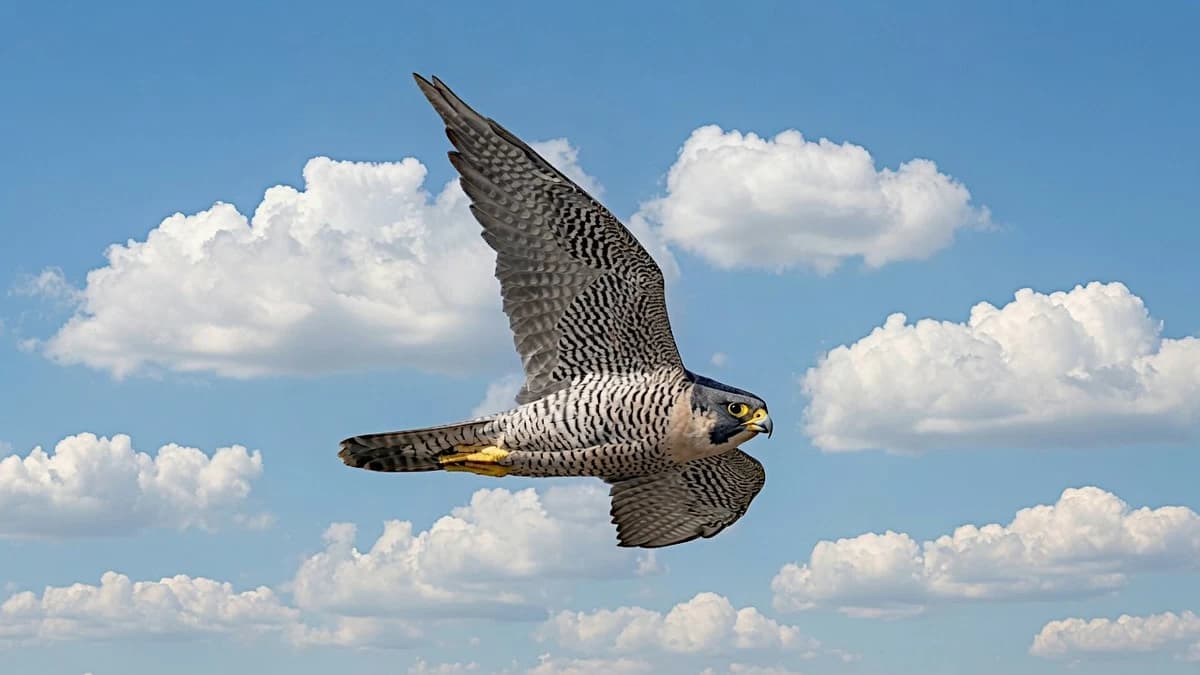
The bird itself also carries weight far beyond Kuwait. BirdLife describes the peregrine falcon as having an extremely large global population and a suspected increasing trend, while the International Association for Falconry and Conservation of Birds of Prey represents 120 member organizations across 90 countries. Captive breeding has already played a major role in peregrine recovery and conservation work elsewhere, especially after historic declines tied to pesticides such as DDT. Kuwait’s first homebred chick now places local breeders inside that wider tradition of managed breeding, conservation-minded husbandry and long-term self-sufficiency.
This article was produced by Prism’s automated news system from verified source data, official records, and press releases, then run through automated quality and moderation checks before publishing. The system is built and supervised by the people who set the standards it runs under. Read our full AI policy.
Did this article answer your question?