New female joins Apollo at MSU peregrine nest, no eggs laid
Nicole has joined Apollo at Spartan Stadium, but no eggs followed the switch. The empty box shows how pair changes still have to click before breeding succeeds.
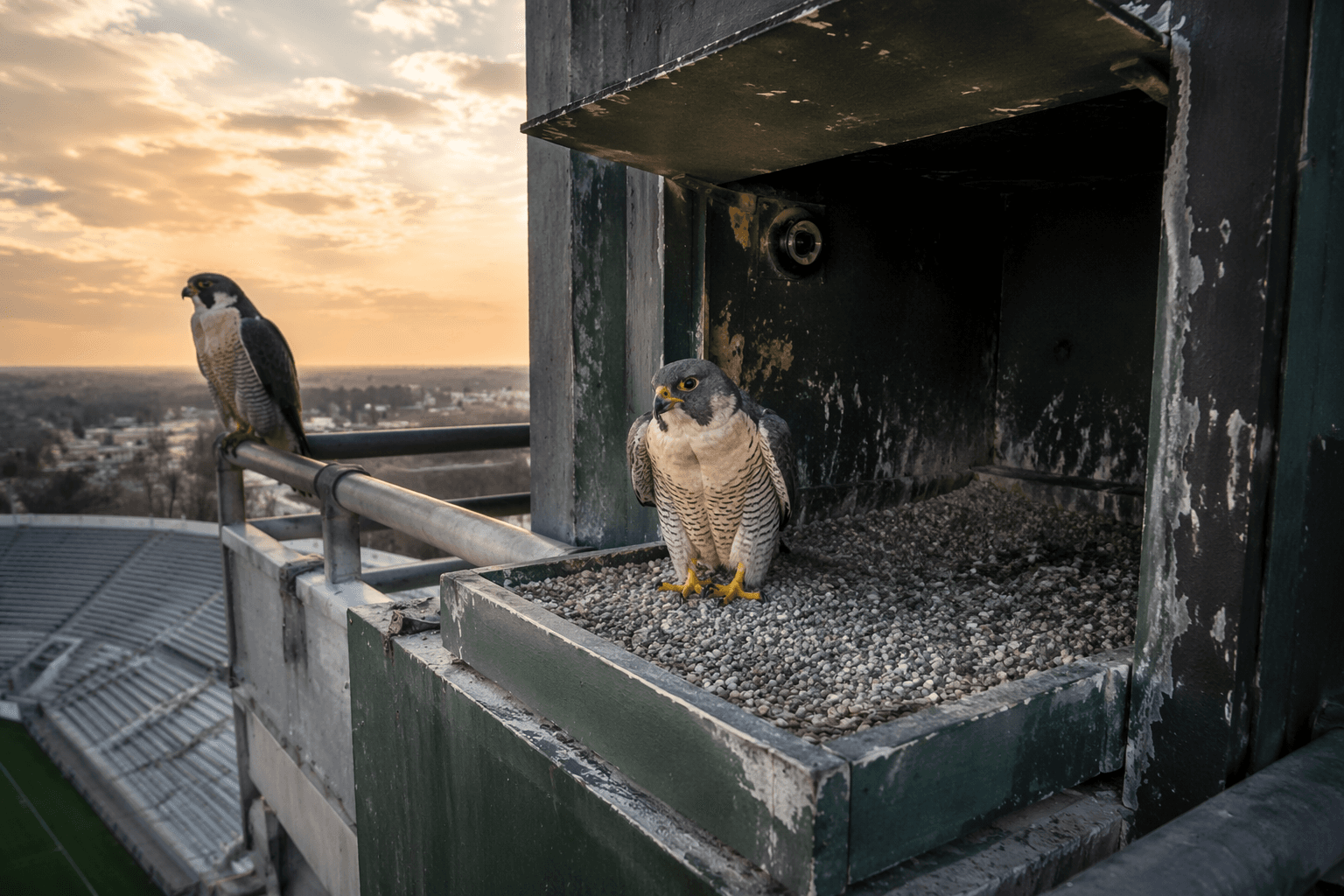
Michigan State University’s peregrine box atop Spartan Stadium has a new female beside Apollo, but the season still ended without eggs. For falconers and raptor monitors, that is the reminder that a pair change is only the first step, not a guarantee, because bonding, territory stability and breeding timing all have to line up before a clutch appears.
Club members with the MSU Wildlife and Fisheries Club identified the newcomer as Nicole after watching her with Apollo and confirming the pair was mating. Even so, nothing came of the switch this spring. Phoebe Bosch, the club president, said the reason Freyja disappeared is unknown and could involve age, disease or simply a failure to return to the territory in time for breeding. The club believes Nicole is likely only one to two years old, which may explain why she has not laid yet and may still be maturing as a breeder.
That uncertainty is why the box has become such a close watch for the campus and the broader falcon community. MSU says the nest box was installed in 2022 by the Fisheries and Wildlife Club with help from Infrastructure Planning and Facilities, after students noticed peregrines around Spartan Stadium. The site fits the birds well: the stadium’s nearly 162-foot tower resembles the high ledges peregrines seek in the wild, and nearby pigeon roosts provide easy hunting. Once nesting begins, the club largely leaves the birds alone and relies on the livestream to track activity.
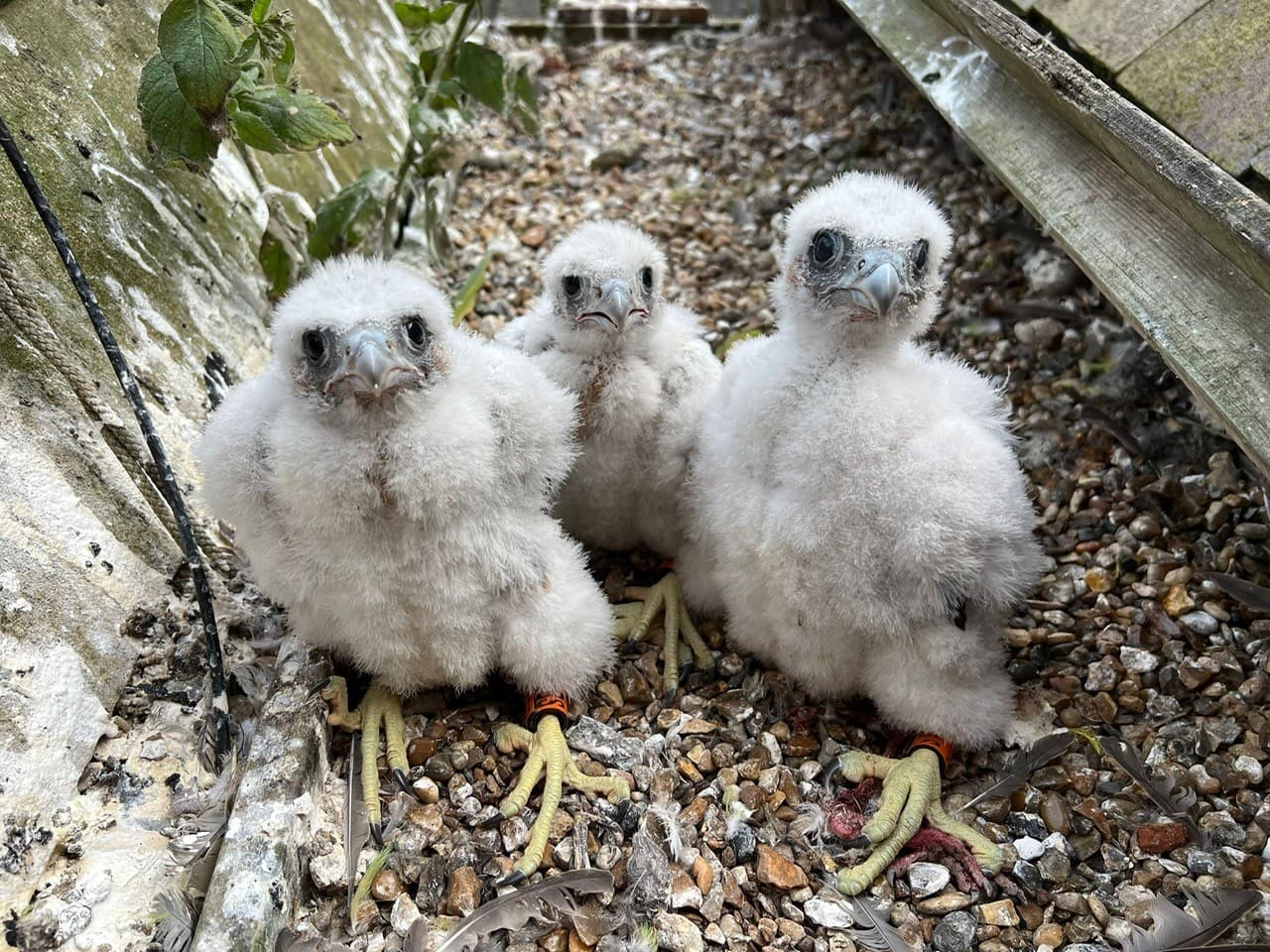
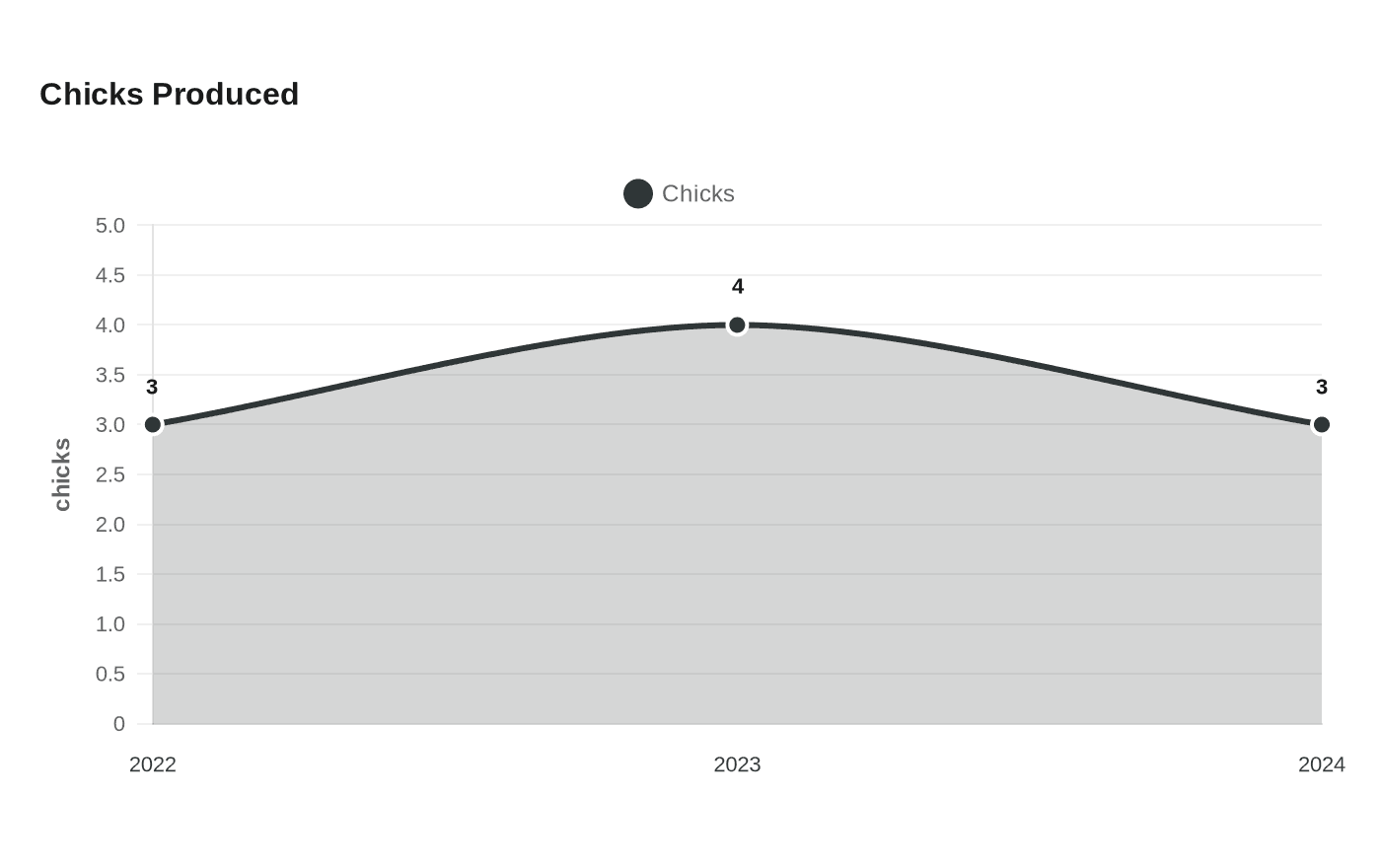
The pair had already built a strong record before this year’s reset. In 2022, the nest produced three chicks. In 2023, it produced four more. The 2024 banding session added three chicks named Reggie, Acorn and Franklin, bringing the three-year total to 10. By March 2025, the birds had returned for a fourth straight year, but that was also the first season the chicks would no longer be banded after the Michigan Department of Natural Resources ended the program because the peregrine population had rebounded and avian-flu concerns had changed the calculus.
That broader recovery is part of the story, too. MSU says Spartan Stadium is one of about 30 nesting locations in Michigan, and the U.S. Fish and Wildlife Service says peregrines were hammered from the late 1940s through the mid-1970s before being successfully recovered under the Endangered Species Act. At Spartan Stadium, the empty nest box this year did not erase that success, but it did show how quickly a proven site can become a new test when one adult disappears and another has to start over.
This article was produced by Prism’s automated news system from verified source data, official records, and press releases, then run through automated quality and moderation checks before publishing. The system is built and supervised by the people who set the standards it runs under. Read our full AI policy.
Did this article answer your question?