Royal Veterinary College workshop gives students hands-on raptor handling experience
More than 60 RVC students handled five raptor species, from a Harris hawk to a burrowing owl, in a workshop built to close avian training gaps.
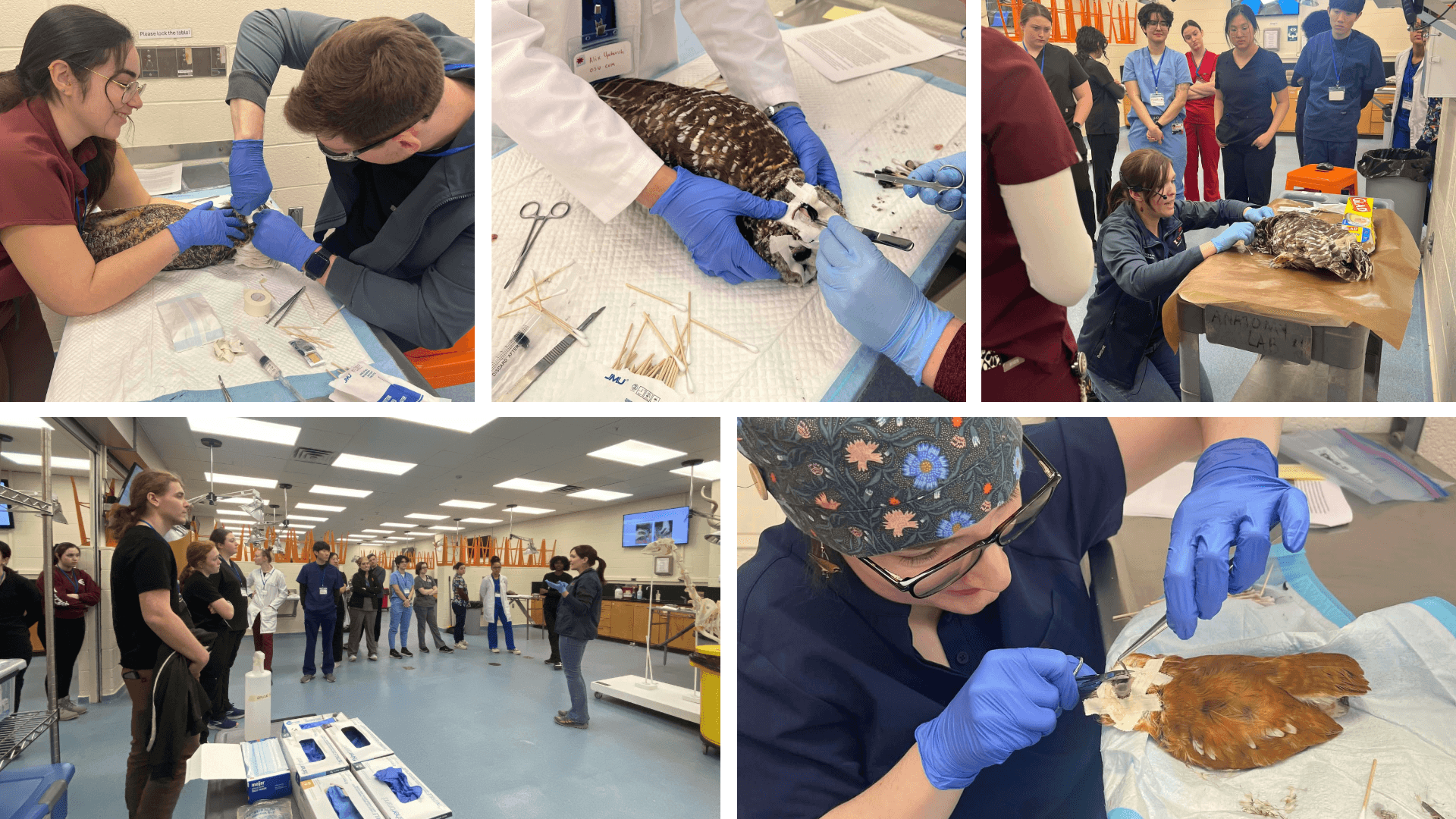
More than 60 Royal Veterinary College students handled five raptor species on the Camden campus in a workshop built to sharpen the kind of bird skills that standard veterinary training can miss. The session brought together students, professional keepers and avian specialists under the banner of the RVC AAV Student Chapter and the RVC Zoological Society, with Exotic Explorers leading the practical work and Dr. Vicki Baldrey as guest speaker.
The workshop took place on 19 May 2026 and was designed to give future clinicians hands-on husbandry experience with birds of prey, along with time to talk directly with keepers about care. That matters in falconry terms as much as it does in clinic terms: the handling, restraint and stress-reading skills that keep a hawk steady on the block or a owl calm in the box are the same instincts that help a vet avoid turning a routine exam into a fight.
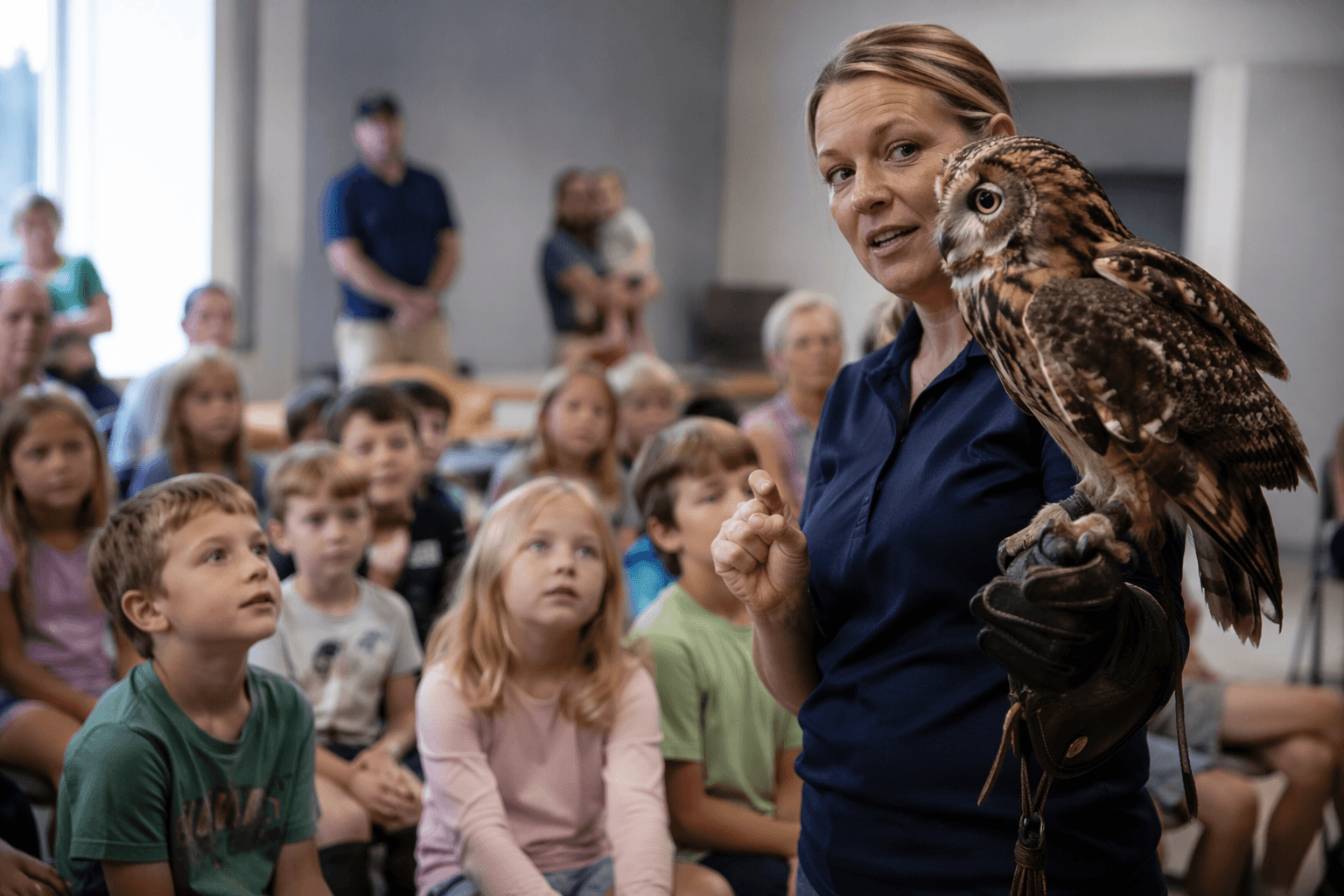
Exotic Explorers brought a Harris hawk, American kestrel, black barn owl, burrowing owl and white-faced owl to the session. Students watched lecture-style instruction and flight demonstrations, then moved into live handling that showed how sharply different raptors behave in the hand and in the air. The Harris hawk flew with power, while the burrowing owl moved more silently, a contrast that fits the hunting adaptations falconers know well.
The workshop also dug into the practical gear behind raptor care. Students discussed larger enclosures, tuft perches to help prevent pododermatitis, and the equipment that shows up again and again in falconry and rehabilitation work: GPS trackers, leather gloves, lures, anklets and jesses. The emphasis on species-specific handling was clear in the birds themselves, especially the owl species, whose feather structure supports silent flight and whose nesting and defensive behavior differ sharply from hawks.
One burrowing owl even landed on a student’s head, a moment that captured how effective live-animal teaching can be when the birds are handled well and the humans are paying attention. A scops owlet was also introduced as a future education ambassador, extending the workshop’s reach beyond a single day.
The RVC has the institutional setup to make that kind of teaching matter. The London veterinary school runs undergraduate and postgraduate teaching, research, scholarship and clinical services, and its exotics service treats birds along with reptiles and other non-traditional patients. It also offers CPD on birds, reptiles and wildlife cases, which makes raptor handling a natural fit rather than a novelty.
Dr. Baldrey’s role gave the session added weight. She is a Senior Lecturer in Exotic Species and Small Mammal Medicine and Surgery, qualified from Liverpool Vet School in 2005, and her specialist background matched the workshop’s focus on birds that demand more than generic small-animal handling.
The RVC library’s holdings, including Birds of prey: medicine and management and Raptor biomedicine III, point to a long academic trail behind that practical work. In a field where a hawk’s temper, an owl’s flight and a vet’s hands all have to meet on the same perch, this was the kind of lesson that sticks.
This article was produced by Prism’s automated news system from verified source data, official records, and press releases, then run through automated quality and moderation checks before publishing. The system is built and supervised by the people who set the standards it runs under. Read our full AI policy.
Did this article answer your question?