Utah tightens falconry rules as wild peregrine access continues in 2026
Wild peregrine access is still open in Utah, but only inside a tight permit window, a five-day reporting clock, and a stack of required forms.
Utah’s falconry system is running tighter, not looser. The state is still allowing wild peregrine access in 2026, but it is pairing that opportunity with a permit cap, narrow class limits, and paperwork that has to stay synchronized across state and federal systems.
The 2026 take season is narrow on purpose
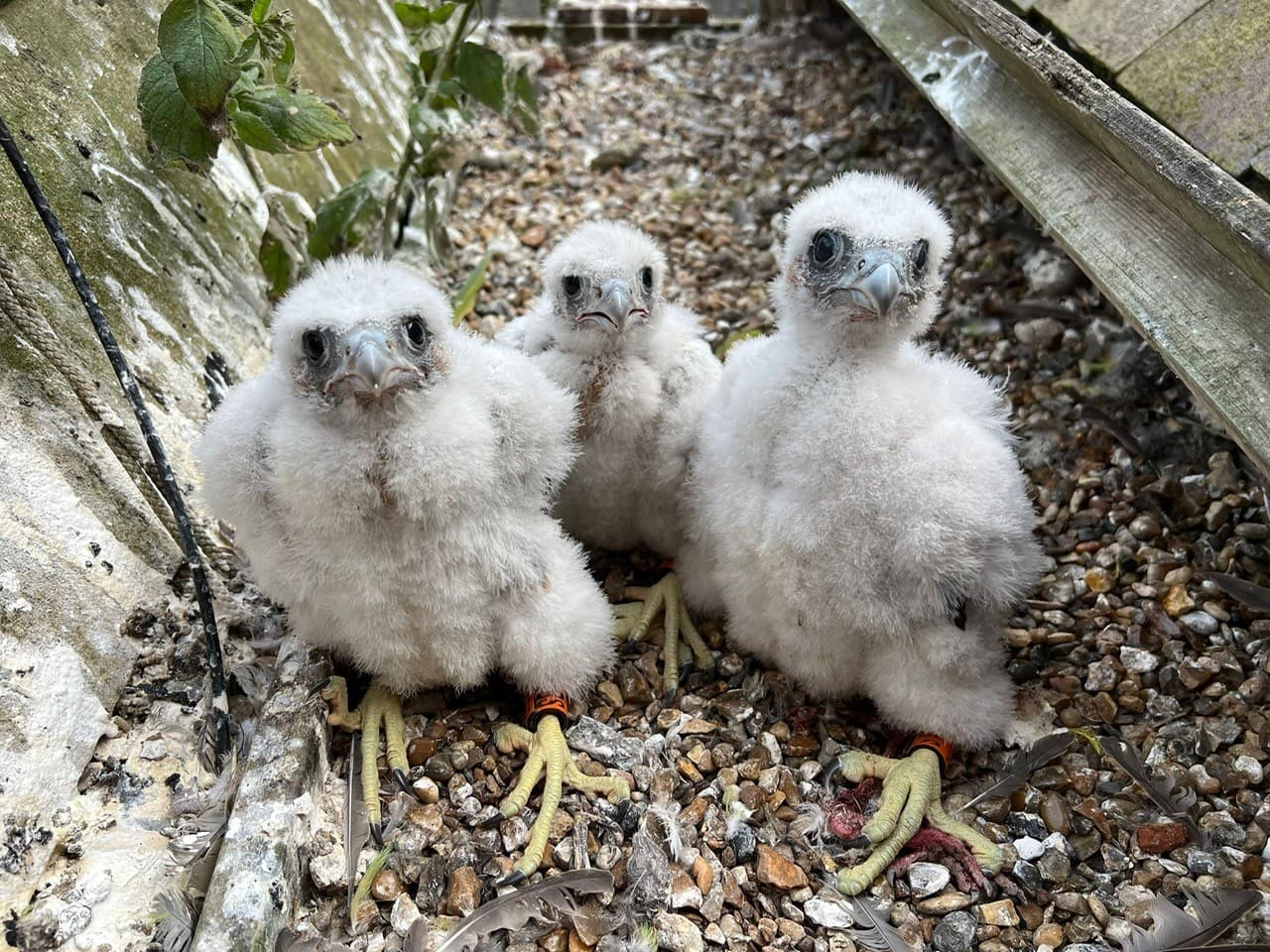
Utah says 17 falconry take permits are available in 2026, including 16 for residents and one for a nonresident. No other take limits on sensitive raptor species are posted right now, which makes the peregrine process the clearest visible access path on the state’s falconry page.
The application window is short and specific: it opens at 8 a.m. on February 1, 2026, and closes at 11:59 p.m. on March 31, 2026. If you are successful in the drawing, you must buy a nonrefundable raptor capture permit, and Utah is waiving the application fee for this year’s peregrine drawing. The take season itself runs from May 1 through August 31, 2026, so every successful application has a hard seasonal endpoint before fall migration pressure and weather complicate field work.
Utah also limits who can apply. Only General and Master Class falconers may apply to take eyas or passage-age peregrine falcons. Prior written permission from the landowner or authorized agent is required before entering private land for peregrine take, so access is not just a wildlife issue, it is also a land-use issue. Miss the application window, and the season is gone; miss the landowner permission, and the bird may be there but the legal access is not.
Paperwork is the real compliance tool
The state’s clearest message is that falconry paperwork is not ceremonial. Wild peregrine captures must be reported on a DWR Falconry Capture Report and in the State/Federal Falconry 3-186A Database within five business days. That deadline matters because Utah is not asking falconers to keep a private notebook and call it done, it wants the capture logged fast enough to keep the record trail current.
The federal 3-186A form is the other half of that system. The U.S. Fish and Wildlife Service uses it for transfer, acquisition, release, loss, or rebanding of a migratory bird held under a falconry permit. Utah’s page makes clear that those federal forms also have to be sent to the Utah Division of Wildlife Resources, which turns the paperwork into an active part of daily compliance rather than a form to file once and forget.
That matters for current permit holders as much as for new hunters. If a bird changes hands, is released, is lost, or needs rebanding, the trail has to stay intact in both systems. Utah’s setup, which groups capture reports, annual reports, and change-of-address notices in one place, cuts down on excuses, but it also leaves less room for anyone to drift on deadlines or assume one filing covers everything.
Apprentices are being asked to learn the full system early
Utah’s study guide shows how broad the exam and entry path are. The material can cover natural history, basic biology, diseases and treatment, housing facilities, handling, training, and use of raptors, plus federal and state laws and regulations. That is not a narrow test of bird handling alone, it is a test of whether you understand the animal, the equipment, the health side, and the legal side at the same time.
The fees are clear too: $45 for apprentice permits and $75 for general and master permits. Utah also points applicants toward apprentice procedures and housing and equipment guidelines, which tells you what the state is trying to do here: make the route legible, but not casual. For an apprentice, that means the learning curve is not just about flying a bird well, it is about knowing what the paperwork looks like before the bird is in the field.
Utah administrative rules tighten that framework further. A resident must have a valid falconry COR to take, possess, hunt with, or transport raptors for falconry. CORs are not transferable, apprentice CORs are valid for three years, and general and master CORs are valid for five years. For anyone moving up from apprentice status, the practical risk is straightforward: if your permit status or timing slips, your legal authority to keep working the bird slips with it.
Golden eagles sit on a separate track
Utah’s golden eagle FAQ makes one thing plain: master-class falconers who are interested in obtaining a golden eagle do not follow the same path as the peregrine take process. The page sends readers to a formal Golden Eagle Allocation Procedure for the definitive rules.
That separate procedure is its own signal. Utah is not treating eagle access as an informal extension of ordinary falconry privilege, and it is not burying it inside the peregrine application flow. The state has built a distinct lane for that interest, which is exactly how a tightly managed program behaves when conservation, public-land access, and permit class all have to line up.
For Utah falconers, the message in 2026 is simple enough to plan around: the bird may be the prize, but the gate is paperwork, timing, and class status. The five-day capture clock, the February 1 to March 31 application window, the nontransferable COR, and the separate eagle process all point to the same reality, the season is open only to the people who keep the administrative side as sharp as the field side.
This article was produced by Prism’s automated news system from verified source data, official records, and press releases, then run through automated quality and moderation checks before publishing. The system is built and supervised by the people who set the standards it runs under. Read our full AI policy.
Did this article answer your question?