Vet Verified guide explains lure training in falconry handling
Lure training is the hinge between recall, fitness, and safe free flight, and the best falconers treat it as a disciplined feedback loop, not a trick.
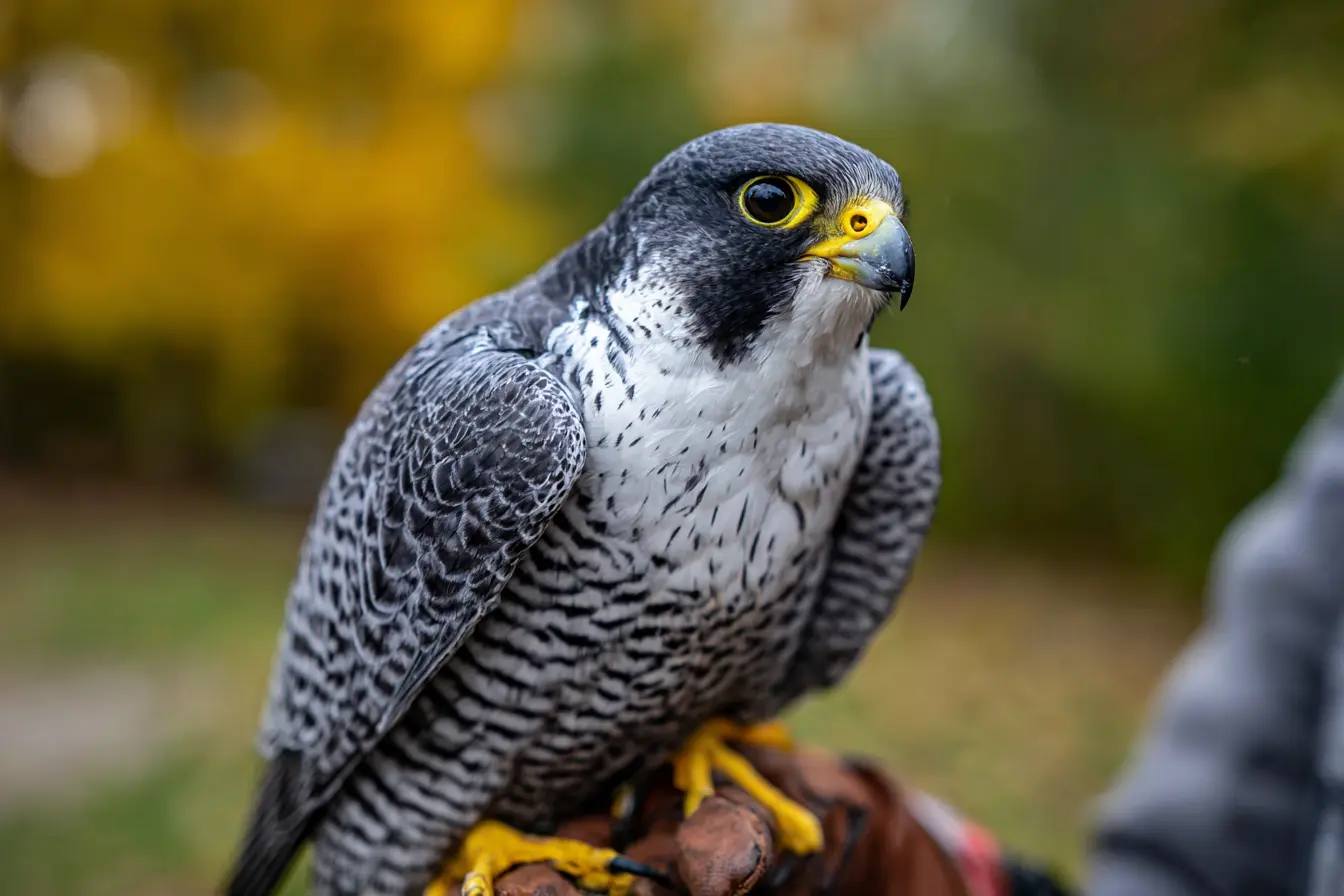
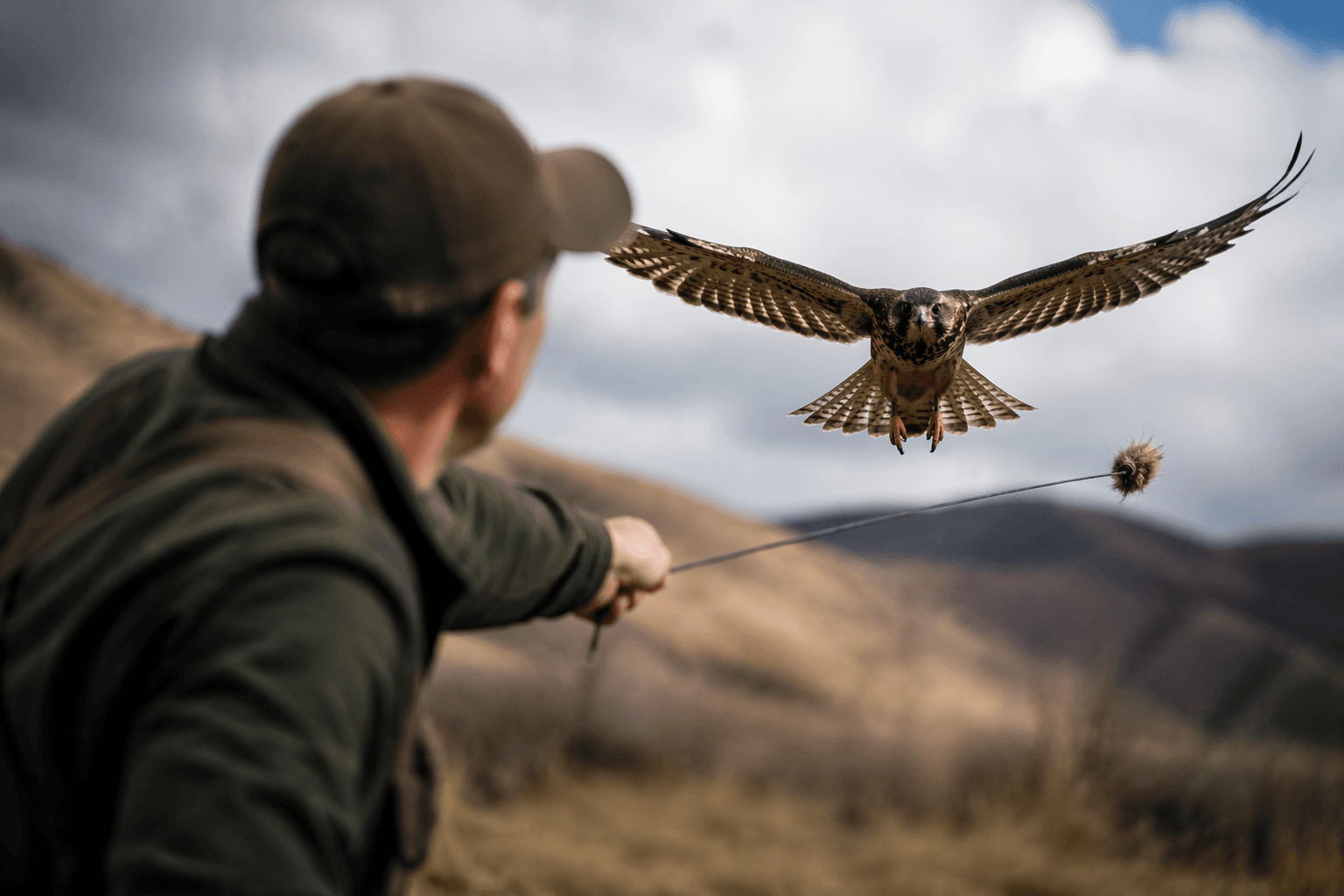
In falconry, the lure is leather or synthetic material shaped with wings or fur, fitted to a line, and paired with food reward. It is the handoff point between control and flight, the place where you teach a hawk or falcon to strike, return, and stay connected to the falconer through a reliable pattern of reward. Lure work is the foundation for recall, conditioning, and safe bird management.
What the lure really does
That design matters because the bird is not chasing random motion; it is learning to recognize a specific object, commit to it in flight, and come back on cue. Falconers have used the lure for centuries, and the practice sits inside a much older tradition of falconry itself. Falconry has been practiced for over 4,000 years, UNESCO says, and it was inscribed on the Representative List of the Intangible Cultural Heritage of Humanity in 2016.
The International Association for Falconry and Conservation of Birds of Prey treats that history as a living tradition. Lure training is a working method, still used because it gives the falconer a controlled way to build trust, manage weight, and keep the bird engaged without turning every session into a free-for-all.
Why falconers keep coming back to it
Lure work carries several jobs at once. It reinforces recall, builds fitness, sharpens hunting instinct, supports flight control, and strengthens the bird-falconer bond. In practice, that combination is why the lure remains central: you can exercise the bird hard while still keeping the session predictable, safe, and readable.
For buteos and parabuteos, lure-flying is not only conditioning, but also a way to give the bird a “reserve” and to bring an unsuccessful hunt to a satisfying conclusion. In real handling, it helps the bird finish cleanly, land with purpose, and stay mentally organized.
The lure also comes in forms matched to the bird and the style of work. Swinging lures are used for falcons, dragging lures for hawks, and double lures are used when stronger visual attraction is needed. Those variations reflect how different birds track motion and how different training setups keep focus on the target.
Start only when the basics are already there
The biggest beginner mistake is starting lure work before the bird is ready. The bird should already be calm on the glove and responding to basic recall before you bring in the lure. If the bird is still unsettled in hand, or if recall has not been established, lure work becomes confusion instead of conditioning.
Weight matters just as much. You want the bird at its established flying weight, not overfed and not so under-motivated that the session turns into frantic grabbing. Lure work depends on timing, not force.
Ground and gear matter too. Open ground without hazards is the right setting, and every piece of equipment should be checked before the first cast: the lure itself, jesses, swivel, and telemetry. That gear check is not optional. It is the difference between a controlled training line and a preventable field problem.
How the sequence should build
The training sequence should be gradual. Begin by introducing the lure with food attached so the bird makes a positive association with it. Then use short tosses and immediate reward, letting the bird connect the visual target with the payoff. Each step should be calm and repeatable; the goal is to build a pattern the bird understands, not to overwhelm it with speed or distance on day one.
Lure work is not about “making” a bird obey. It is about shaping a response through consistent timing, clear presentation, and reading the bird’s behavior closely enough to know when to stop. If the bird is still engaged, you are building. If it is confused or flat, you have already gone too far.
Where beginners most often go wrong
Most mistakes come from rushing the process. New falconers often bring the lure out too early, before glove manners and recall are solid. Others overcomplicate the session, using too much movement or too many repetitions and turning the lure into a distraction rather than a cue.
A few errors come up again and again:
- Training on broken, cluttered, or hazardous ground
- Failing to check jesses, swivel, or telemetry before working
- Rewarding too late, which weakens the association
- Using the lure when the bird is overfed or under-motivated
- Treating the lure as a substitute for recall instead of a reinforcement of it
Each of those mistakes breaks the controlled feedback loop that makes lure training valuable. Once that loop is broken, the bird is no longer learning cleanly, and the session stops being useful.
The wider system behind one simple tool
Lure training does not sit apart from the rest of falconry; it sits inside a regulated and carefully tracked practice. In the United States, falconry is governed through state, tribal, and territorial permitting under federal rules, and an apprentice applicant must answer at least 80 percent of the questions on the relevant exam to qualify for a permit. The U.S. Fish and Wildlife Service also maintains the 3-186A falconry database, which tracks take, transfer, loss, theft, and death of falconry birds.
Falconry includes falcon hospitals, breeding centers, conservation agencies, and traditional equipment makers. The Archives of Falconry preserves falconry heritage and historical records.
This article was produced by Prism’s automated news system from verified source data, official records, and press releases, then run through automated quality and moderation checks before publishing. The system is built and supervised by the people who set the standards it runs under. Read our full AI policy.
Did this article answer your question?