Watford hospital uses Harris hawk Tex to keep pigeons away
At Watford General, a one-year-old Harris hawk named Tex keeps pigeons from settling in the hospital grounds. His flights turn bird control into quiet, daily deterrence.
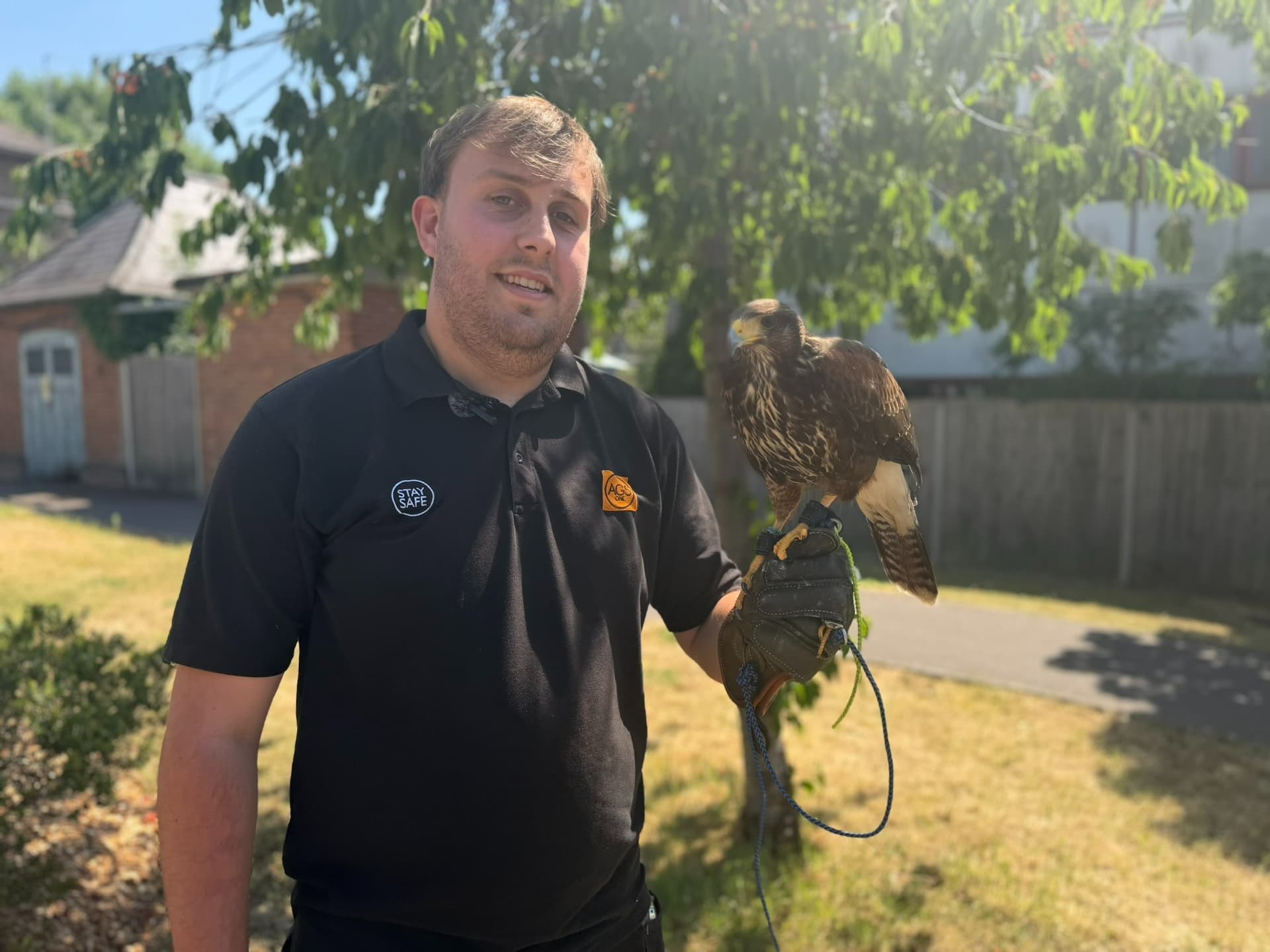
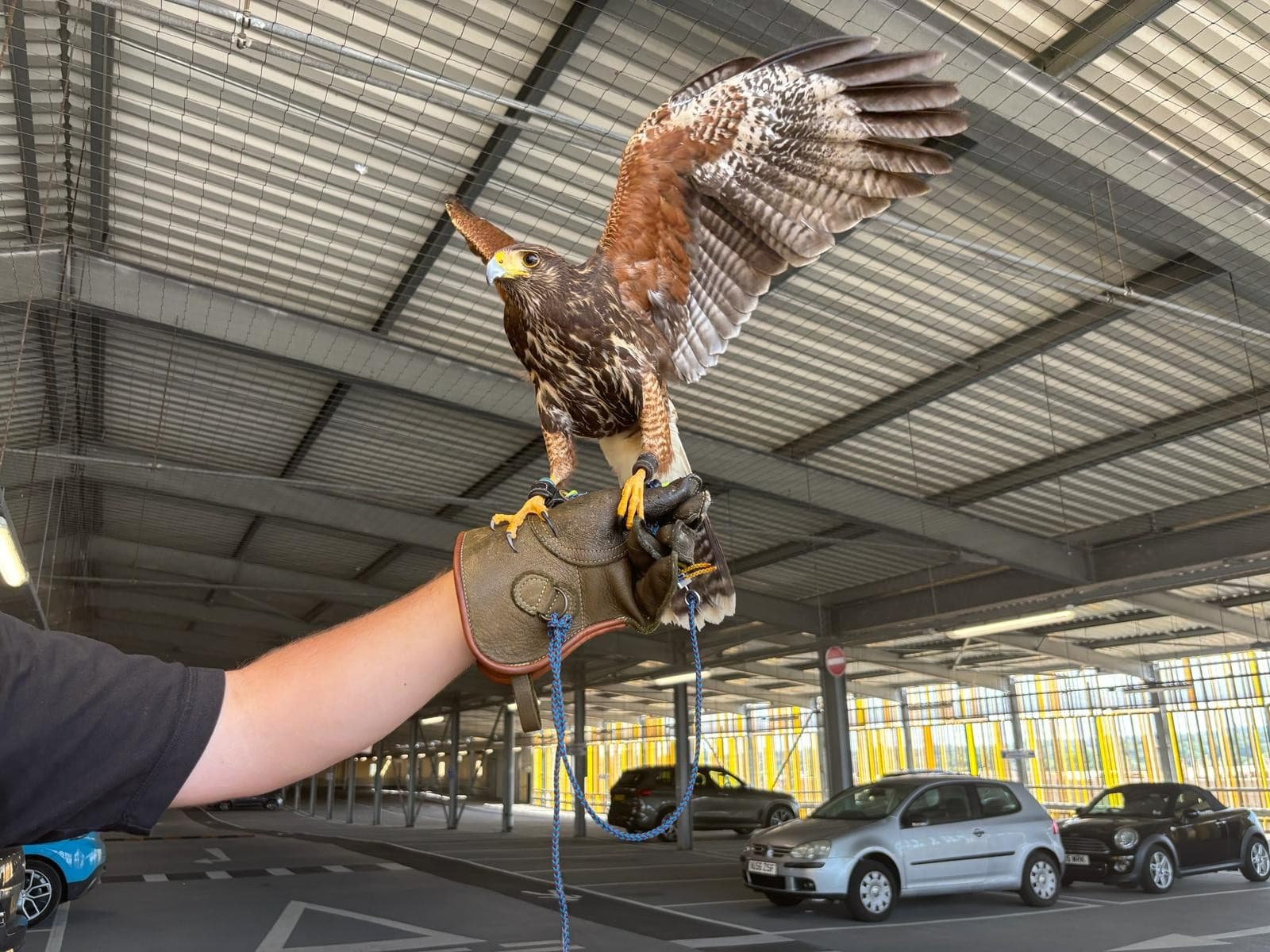
Watford General Hospital has turned to a Harris hawk named Tex to do what netting and poison cannot: make pigeons think twice. The one-year-old bird now works the grounds as part of a bird-control program, where his presence is the point as much as his flight.
The hospital highlighted Tex on National Healthcare Estates & Facilities Day, which fell on Wednesday 17 June in 2026. The observance was created in October 2021, first marked on 15 June 2022, and is now fixed for the third Wednesday in June to recognize the estates and facilities staff who keep UK healthcare sites running safely and cleanly.
That framing matters because this is not falconry as display. NHS England says pest control and management are essential for safe and hygienic healthcare facilities, and that pest activity can pose unacceptable risks to patients, staff and visitors. In a place where bird fouling can quickly become more than a nuisance, Tex’s job is to interrupt the pigeons before they settle in and start nesting.

Tex was trained by Harrison from about six weeks old, then gradually introduced to free flying. By around 17 weeks, he was airborne, and the report describes him as imprinted on Harrison, more interested in working with his handler than with other birds. That imprinting is part of what makes him useful on a hospital site: he is calm around the setting, steady in the air, and focused on the person flying him.
The pigeons are not the only birds that notice. Crows, which naturally see hawks as predators, sometimes challenge Tex, but the hawk is said to remain largely unfazed. For the working falconer, that kind of composure is as important as speed. The bird is there to create pressure, change behavior, and keep troublesome flocks moving.
AGS One Pest Control, which manages the wider bird-control work and is a member of the British Pest Control Association, argues that falconry is an effective and humane alternative because it can be adjusted to changing conditions and aimed at specific trouble spots with minimal disruption to hospital operations. The company says its methods are sustainable, safe for humans and pets, and designed to limit environmental harm.
That public-health argument is reinforced by UK guidance noting that bird droppings are a biological hazard and that exposure to birds or bird-contaminated environments is relevant to psittacosis risk. Similar falconry-based deterrence has been used at University Hospital Southampton NHS Foundation Trust, where one site with more than 200 feral pigeons was reduced to a daily population of eight.
At Watford General, Tex is both ambassador and working bird, a Harris hawk whose value lies in what he prevents. The hospital grounds stay quieter when pigeons decide the place belongs to the hawk.
This article was produced by Prism’s automated news system from verified source data, official records, and press releases, then run through automated quality and moderation checks before publishing. The system is built and supervised by the people who set the standards it runs under. Read our full AI policy.
Did this article answer your question?