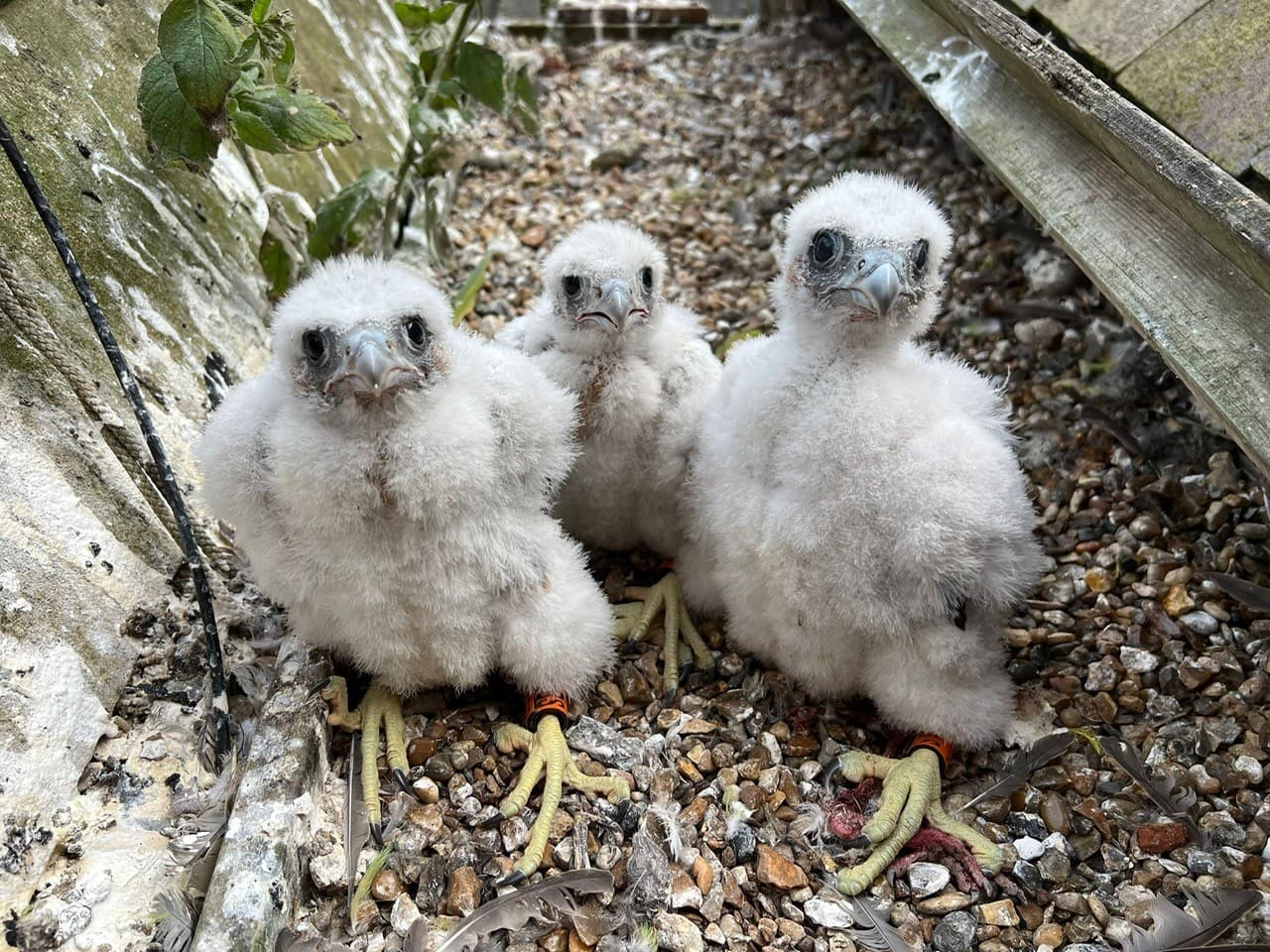
Westweald Falconry updates telemetry systems for UK falconers
Westweald’s refreshed telemetry page turns receiver choice into a field decision, with Black Falcon kits, UK-legal bands, and features built for rough weather.
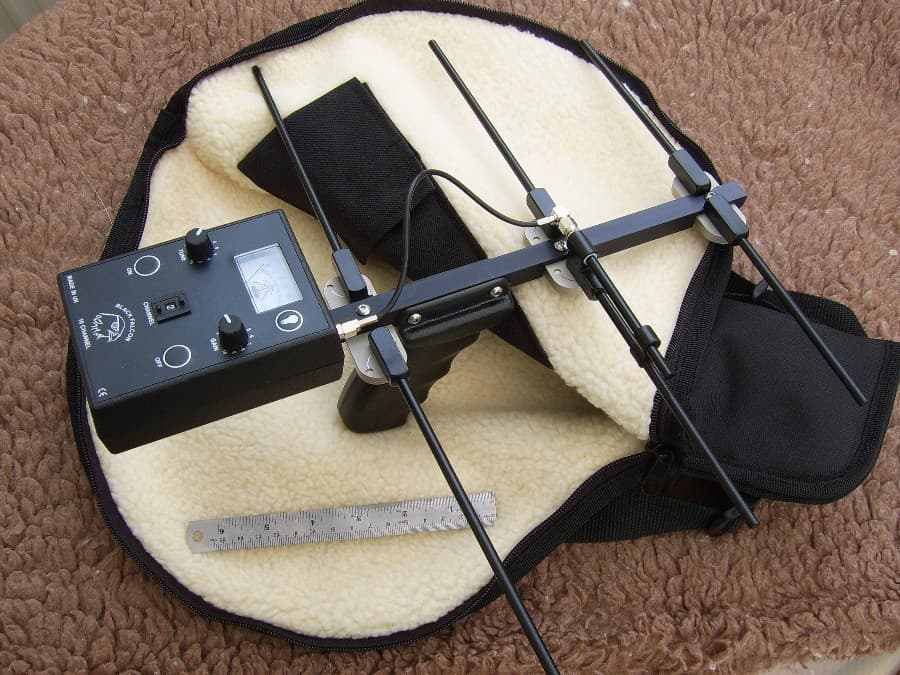
Westweald Falconry’s refreshed telemetry page puts British-built Black Falcon systems, receiver choices, transmitter power, and UK frequency compliance in one place. It reads more like a working field note than a shop window.
What Westweald is putting in front of falconers
The refreshed lineup centers on British-built Black Falcon telemetry systems, with both 3-channel and 10-channel receivers available. Westweald also lists standard-power and high-power transmitters, along with carry cases, batteries, tail mounts, and instructions, so the page reads like a full kit list rather than a single-product pitch. Westweald has been supplying falconry equipment worldwide since 1992.
The useful details are the ones working falconers care about once they are in the field. Westweald highlights a backlit meter for night use, auto shut-off to save battery power, a low-battery indicator, and a headphone socket. Those details matter when you are listening for a signal in wind, checking range in poor light, or trying to stretch battery life through a long day out.
How to choose the right setup for your bird and ground
The first buying decision is receiver capacity. A 3-channel system makes sense when you want a simpler setup and are tracking a small number of birds or working with a straightforward kit list. The 10-channel version gives you more headroom if you run multiple transmitters or want room to expand without replacing the receiver later.
Transmit power is the next fork in the road. Standard-power transmitters suit more routine work, while high-power units are the safer bet when you are dealing with windy days, low-signal ground, or terrain that breaks up the line of sight. Telemetry is a recovery tool when a bird has flown out of view and visual tracking is no longer enough.
- Choose 3-channel if your work is compact and you want fewer moving parts.
- Choose 10-channel if you need more capacity or want a receiver that can grow with your kit.
- Choose standard power for everyday use and shorter, cleaner lines.
- Choose high power if your ground is open, rough, windy, or consistently difficult to work.
- Add the carry case, batteries, tail mount, and instructions up front, because this is field gear, not shelf gear.
A practical buying rule is simple:
The frequency details are not footnotes
Westweald lists 173 MHz and 433 MHz as legal frequencies for UK use. Ofcom’s licence-exempt guidance sets out 173.7-175.1 MHz as a UK VHF band and lists available frequencies including 173.8, 174.0, 174.2, 174.4, 174.6, 174.8, and 175.0 MHz. The UK Frequency Allocation Table is the authoritative source for spectrum allocations in the UK.
Telemetry only works properly when the transmitter, receiver, and legal band line up. GOV.UK’s Radio Equipment Regulations guidance says radio equipment placed on the Great Britain market has to meet safety, electromagnetic compatibility, and radio-spectrum-use requirements. Check the band before you buy, and make sure the kit you pick matches the rules where you work.
A telescopic aerial is available only on 216 MHz systems, and only at extra cost. If you are comparing kits, the real question is not simply whether the receiver is cheaper, but whether the whole package is legal, practical, and suited to the way you fly.
Why the guarantee and the wider market matter
Westweald’s telemetry systems come with either a lifetime or a 3-year guarantee, depending on the model.
The broader market shows how established this gear has become. Other UK falconry retailers list Black Falcon systems with separate prices for receivers, transmitters, batteries, and accessories. At the same time, the market is split: Marshall Radio Telemetry offers premium GPS long-range tracking and recovery equipment, while TinyLoc still offers falconry transmitters in 216 MHz and 433 MHz versions and warns that 216 MHz is not legal to use or sell in the EU.
A modern tool in an old craft
The Archives of Falconry was founded in 1986 by falconers who were also leaders of The Peregrine Fund, and the British Falconers’ Club has existed for almost 100 years, with regions across the UK including Scotland and Wales.
This article was produced by Prism’s automated news system from verified source data, official records, and press releases, then run through automated quality and moderation checks before publishing. The system is built and supervised by the people who set the standards it runs under. Read our full AI policy.
Did this article answer your question?