AOA Marine Breaks Down the Real Costs of Owning an eFoil in 2026
AOA Marine's guide cuts through the hype: owning an eFoil in 2026 costs far more than the sticker price, and Miami's only official Fliteboard dealer breaks it all down before you buy.

AOA Marine is the official Miami Beach distributor of Fliteboards, which puts it in a unique position to tell you what owning one of these machines actually costs, not just what it costs to buy one. The dealership's buyer's guide, published this week, is the kind of resource that should live in every prospective buyer's bookmarks. It's not a pitch. It's a breakdown.
The Sticker Price Is Only the Beginning
The cost of an eFoil varies depending on the brand, model, features, and additional accessories, as well as warranty periods, after-sales service, and safety record. It's important to note that the purchase price typically includes the board, hydrofoil, electric motor, battery, remote control, charger, and sometimes a carrying case or other accessories. That sounds comprehensive until you start configuring.
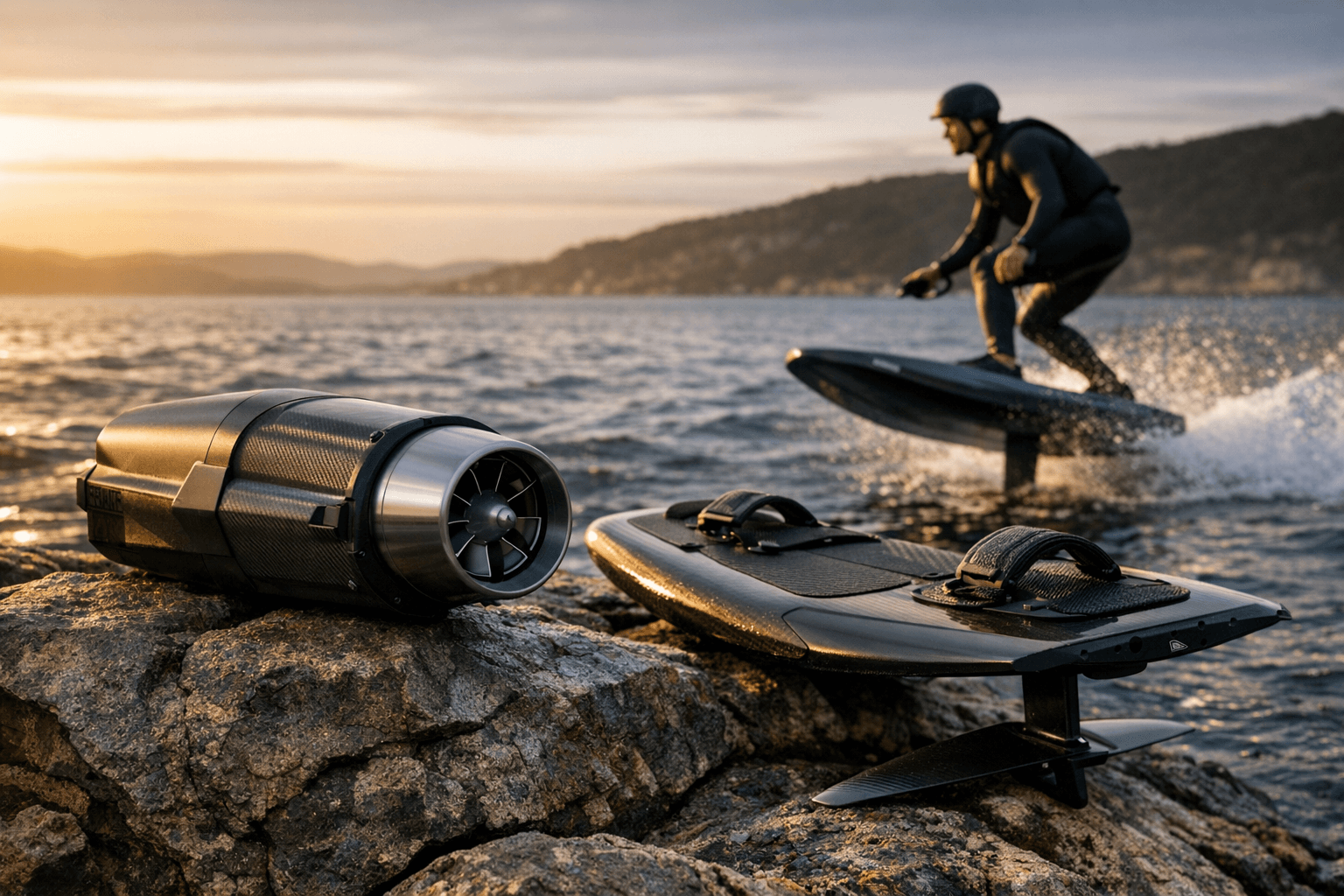
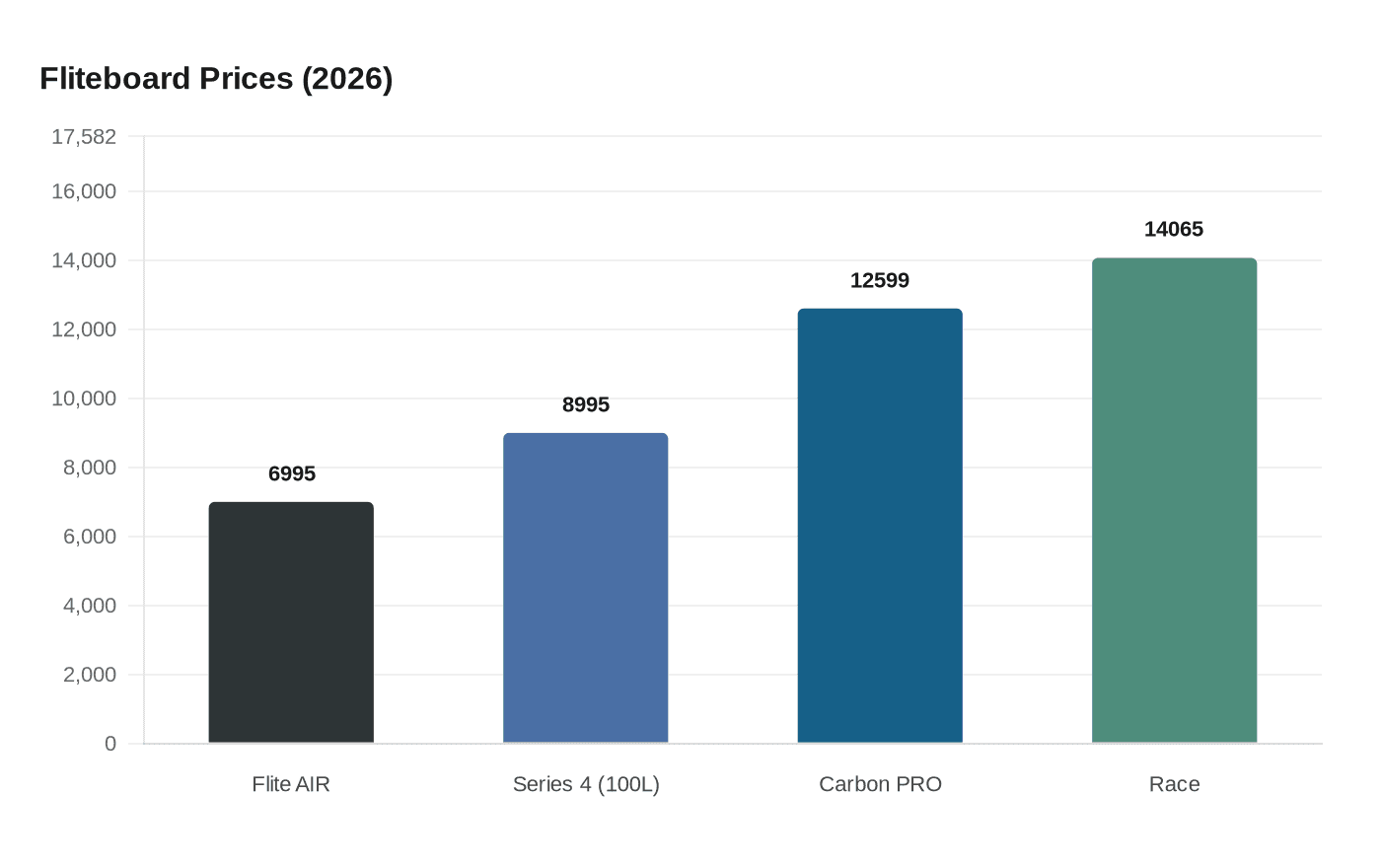
eFoil prices vary anywhere between $5,000 to $15,000, with cost depending on materials, battery power, size, design, and wings. At AOA Marine, the lineup centers on Fliteboard, where the range is broad. The Fliteboard lineup starts with the Flite AIR at $6,995, a fantastic option that significantly reduces cost by utilizing a sturdy foam-core platform and an ultra-durable, inflatable outer section, making it ideal for cost-conscious customers who want to maintain quality. From there, the Series 4 Fliteboard 100-liter starts at $8,995 and is the perfect all-around eFoil, with a 29.5" mast and the option of Flite Jet or prop propulsion, engineered to meet the needs of a wide range of riders, from beginners to seasoned eFoilers.
Climb further up the stack and the numbers move fast. The Carbon PRO starts at $12,599 and boasts the best strength-to-weight ratio in the Flite lineup, with a refined board shape that gets you onto foil more efficiently and gives you longer ride time. At the top end, the Race, starting at $14,065, is a longer and narrower board designed for fast takeoffs and deeper rail-to-rail turns in flat water, paired with a new race impeller designed with Mercury Racing, with top speeds reaching 34 mph.
The Configuration Trap
One of the most practically useful things a dealer guide can do is warn you about the configuration spiral, and this is where a lot of first-time buyers get stung. Some websites price boards "from" a low number, but after configuration in the checkout, the eFoil price can exceed far higher figures. This is due to the sometimes hundreds of configurations, in addition to taxes and shipping costs.
eFoils incorporate advanced technology and engineering to provide a seamless experience, and the integration of high-quality materials, sophisticated hydrofoil designs, and precision-crafted components contributes to the overall cost. Mast length and material are big cost drivers on their own. The length and material of the mast contribute significantly to the price; in the premium class, you get a carbon fiber mast measuring 80 cm, while shorter aluminum masts are often offered in the standard configuration. Battery choice matters just as much: the battery is often 30-40% of the total cost of an eFoil, a high-capacity, waterproof, sophisticated power cell that is essentially the "engine" and the "fuel" all in one.
The takeaway here is to build your full configuration before you fall in love with any sticker price.
What Ownership Actually Costs Year Over Year
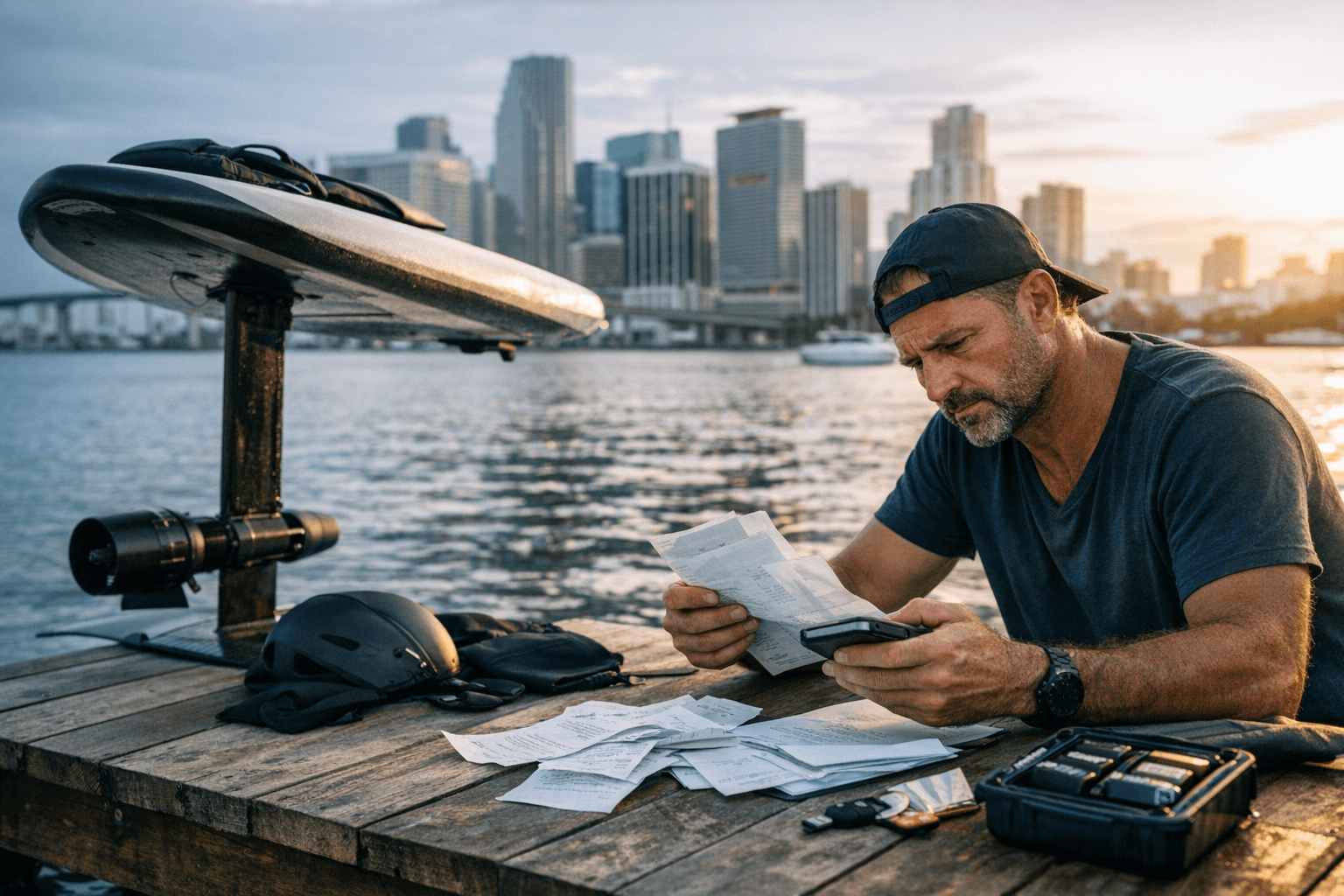
Buying the board is one conversation. Owning it is another. Most eFoil owners spend between $200 and $400 per year on maintenance, including basic hardware upkeep and optional servicing, with an additional $400-$800 per year for battery cost spread over several years.
The battery replacement question comes up in almost every ownership conversation. eFoil batteries typically last 3 to 5 years or 300 to 500 full charge cycles, depending on how they're stored, charged, and used, and with proper care, you can extend that lifespan significantly. When the time does come to replace, most eFoil batteries range from $2,000 to $2,500, depending on size and manufacturer, with bigger packs that deliver 90 to 120 minutes of ride time naturally costing more than entry-level ones.
The good news is that running costs are genuinely low compared to anything with a combustion engine. A full charge costs approximately €0.30-€0.50 depending on your electricity rate and battery size, and there's no engine oil, no fuel system, and no impeller corrosion to deal with. If you're planning on riding regularly, budgeting $1,000-$1,500 per year in ownership costs gets you a reliable, clean-running eFoil with plenty of water time, and as you rack up hours, the cost-per-ride keeps dropping. For context, owning a jet ski typically costs $1,800 to $4,500 or more per year when you factor in fuel, oil changes, insurance, winterization, trailer maintenance, and storage fees.
Electronics or control unit failures can cost between $200 and $1,000 or more if your remote, controller, or internal electronics go out due to water, shock, or manufacturing defect, and while many brands cover defects under warranty, user error won't be covered. Rinse your gear after every session. It's the cheapest maintenance you'll ever do.
Why Lessons Before Purchase Isn't Optional
AOA Marine offers eFoil lessons on Biscayne Bay as part of its operation, and that's not an upsell. It's the right sequence for most buyers. The dealership provides luxury eFoil experiences in Miami with electric hydrofoil lessons, private sessions, and guided rides on premium Flite eFoils, using Flite electric hydrofoil technology that lifts you above the water for a quiet, controlled glide along Miami's coastline.
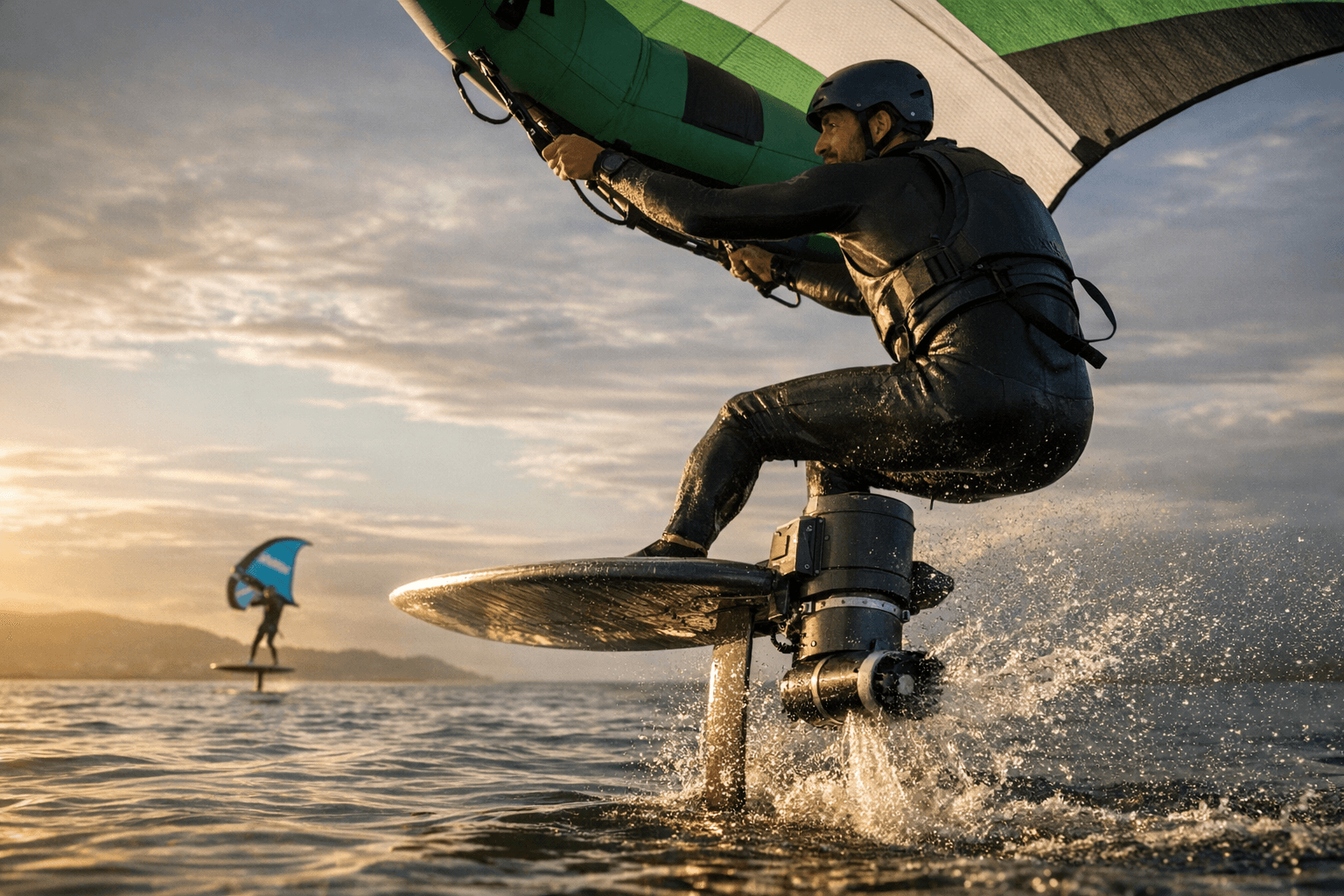
The instruction structure follows a logical progression. Your instructor will cover how to use the hand controller, knee and feet placement, and body alignment. You'll start prone and move through two key transitions: first to your knees, where you practice how to engage the wing and start foiling.
Getting on the water before committing to a configuration also directly affects which board you end up buying. Board volume, wing size, and mast length all feel abstract until you've actually spent time on foil. For beginners, wider and larger boards with larger wings tend to provide more stability on the water, while a smaller board size will be more maneuverable, making it easier to carve and learn tricks. A lesson session pins down your real starting point and prevents you from buying a board that's either too forgiving to grow into or too demanding to enjoy.
Demo Before You Commit
Visiting a Fliteschool is one of the best ways to discover the unforgettable thrill of Fliteboarding, with over 140 Fliteschools around the world offering lessons with a professional instructor. AOA Marine functions as exactly this kind of local access point for the Miami market, pairing demo access with authorized sales.
Top brands like Lift Foils and Fliteboard retain value well, which makes demoing before buying a smart financial move as much as a practical one. You're narrowing your spec to a board you'll actually ride, not one that looked compelling in a YouTube review. If your session on a 100-liter board feels comfortable and controlled, you probably don't need to be shopping the 67-liter PRO yet, regardless of what your foil-surfing instincts tell you.
The Miami Advantage
Miami's flat, protected inshore water is genuinely one of the better learning and riding environments in the country. Biscayne Bay offers calm conditions that reward progression without punishing beginners, and year-round warmth means you're not racing a seasonal window to get sessions in and justify your investment.
Having an authorized dealer with service capability in the same city isn't a minor convenience. The cost of an eFoil can vary depending on factors including warranty periods and after-sales service, and proximity to qualified service matters when something eventually needs attention. Shipping an eFoil for warranty work adds time, cost, and friction that local access eliminates entirely.
The total cost of owning an eFoil in 2026, done right, is a multi-year commitment that rewards honest math from the start. AOA Marine's guide pushes you to do that math before you're emotionally invested in a specific board, which is the exact right order of operations.
Know something we missed? Have a correction or additional information?
Submit a Tip