MarineShift360 Accelerator Backs Foil Vessels, Recyclable Composites for 2026
NLComp's rComposite recovers nearly 80% of molecules as reusable raw material, and the MarineShift360 accelerator is the program pushing recyclable composites toward your next foil mast.

The foil industry's uncomfortable truth is that the carbon laminate in your mast almost certainly has no viable end-of-life path. The MarineShift360 Impact Accelerator's 2026 cohort, announced March 31, put that problem at the center of a year-long program built to change the math.
Marine Futures and 11th Hour Racing selected three companies from 20 applicants spanning 10 countries. NLComp, based in Monfalcone, Italy, brought its rComposite material: a thermoplastic composite using Arkema's Elium resin that cleared DNV verification under ISO 14021:2016 standards in October 2024. The decisive test figure came from thermolysis-based recycling trials with Composite Recycling, which found that nearly 80% of recovered molecules come back as methylmethacrylate, a raw material capable of producing new high-performance composites. Reclaimed fibers showed no visible impurities and a soft, pliable texture confirming their potential for reuse.
"This project with Composite Recycling demonstrates how innovation and collaboration can drive sustainability in large industries," said Fabio Bignolini, CEO of NLComp.
Gurit, the established Swiss composite engineering firm, rounds out the materials side of the cohort. Having Gurit alongside NLComp matters: rComposite needs production-scale manufacturing routes, and Gurit's engineering depth is precisely what bridges a verified circular material to the supply volumes that foil and board manufacturers actually specify. The combination signals the sector's maturation beyond performance alone.
The performance question is the one foil builders will ask first. Thermoplastic composites have traditionally trailed the thermoset epoxy-carbon layups standard across foil masts, wings, and boards on stiffness-to-weight ratios. That gap is narrowing, and the recyclability equation reshapes the cost calculus: a foil mast built from rComposite may carry a higher unit price, but the embodied carbon accountability and end-of-life material value don't disappear into landfill. As brands face LCA scrutiny from institutional buyers and regulators, recyclable layups shift from a marketing differentiator to a procurement requirement.

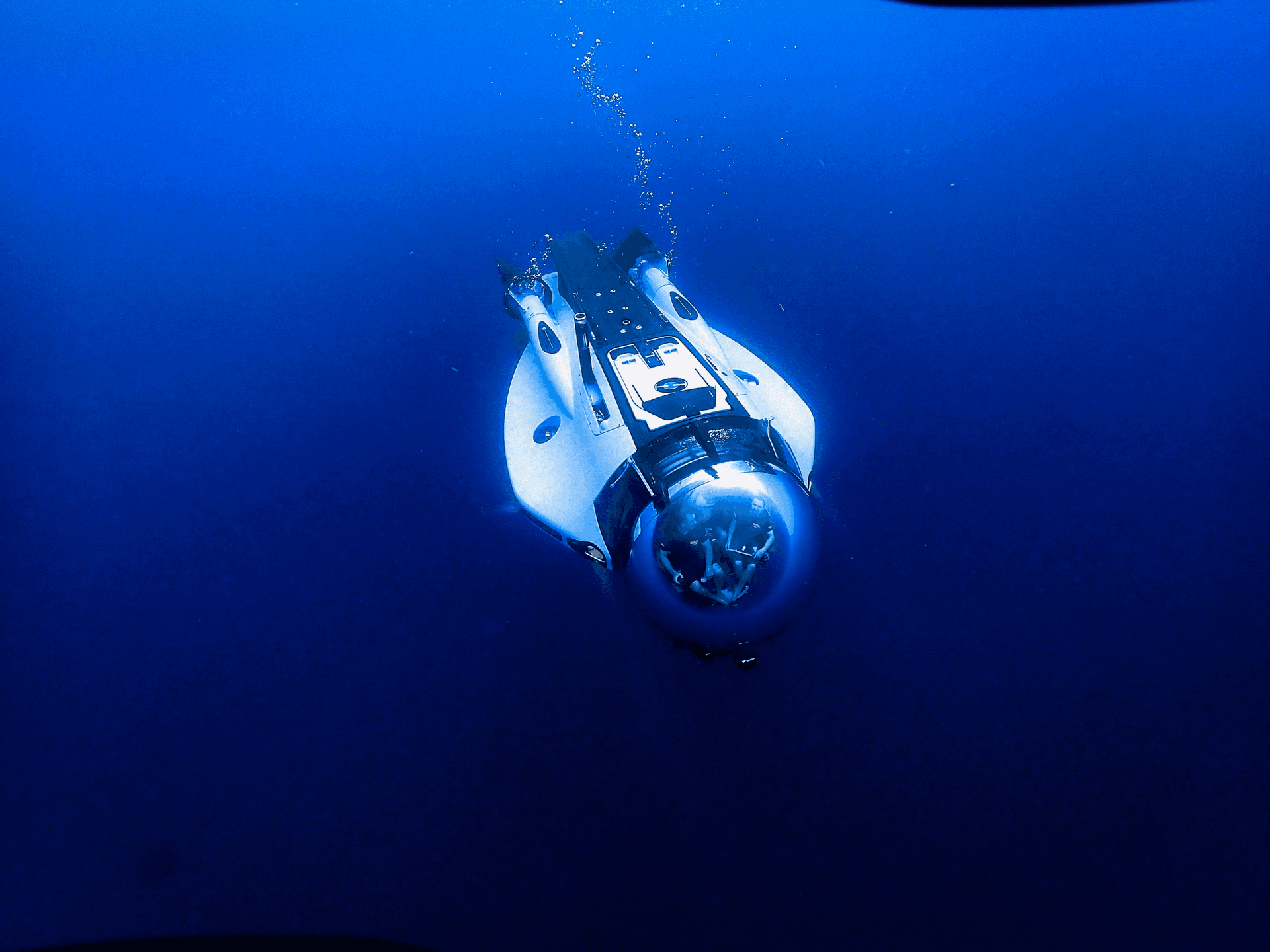
The third cohort member is MobyFly, the electric hydrofoil passenger vessel company co-founded by world windsurfing champion Anders Bringdal. The Swiss-Portuguese startup's S1 carries 12 passengers at speeds over 60 km/h using 80% less energy than diesel ferry equivalents, lifting the hull clear of the water on retractable foils to cut drag. During the accelerator year, MobyFly will complete a cradle-to-grave LCA for the S1, the first environmental baseline of its kind for small electric hydrofoil passenger craft. That dataset is intended to support regulatory approval and operator procurement, with potential influence over subsidy frameworks for low-emission water transport.
The RNLI's experience with the inaugural 2025 cohort flagged something critical: for the Atlantic 85 lifeboat, the operational use phase, not manufacturing, dominated lifecycle emissions. The same asymmetry applies to electric hydrofoils. Higher embodied carbon at build can be fully justified by 80% operational energy savings over a vessel's working life, but only if the data exists in a credible, standardized format that regulators and port authorities can act on.
The composites being evaluated through MarineShift360 won't be laminating foil wings by summer. But the recyclability verification, LCA methodology, and supply-chain frameworks being developed now are the upstream conditions for the moment when choosing a recyclable foil mast stops being a compromise and becomes the default.
Know something we missed? Have a correction or additional information?
Submit a Tip