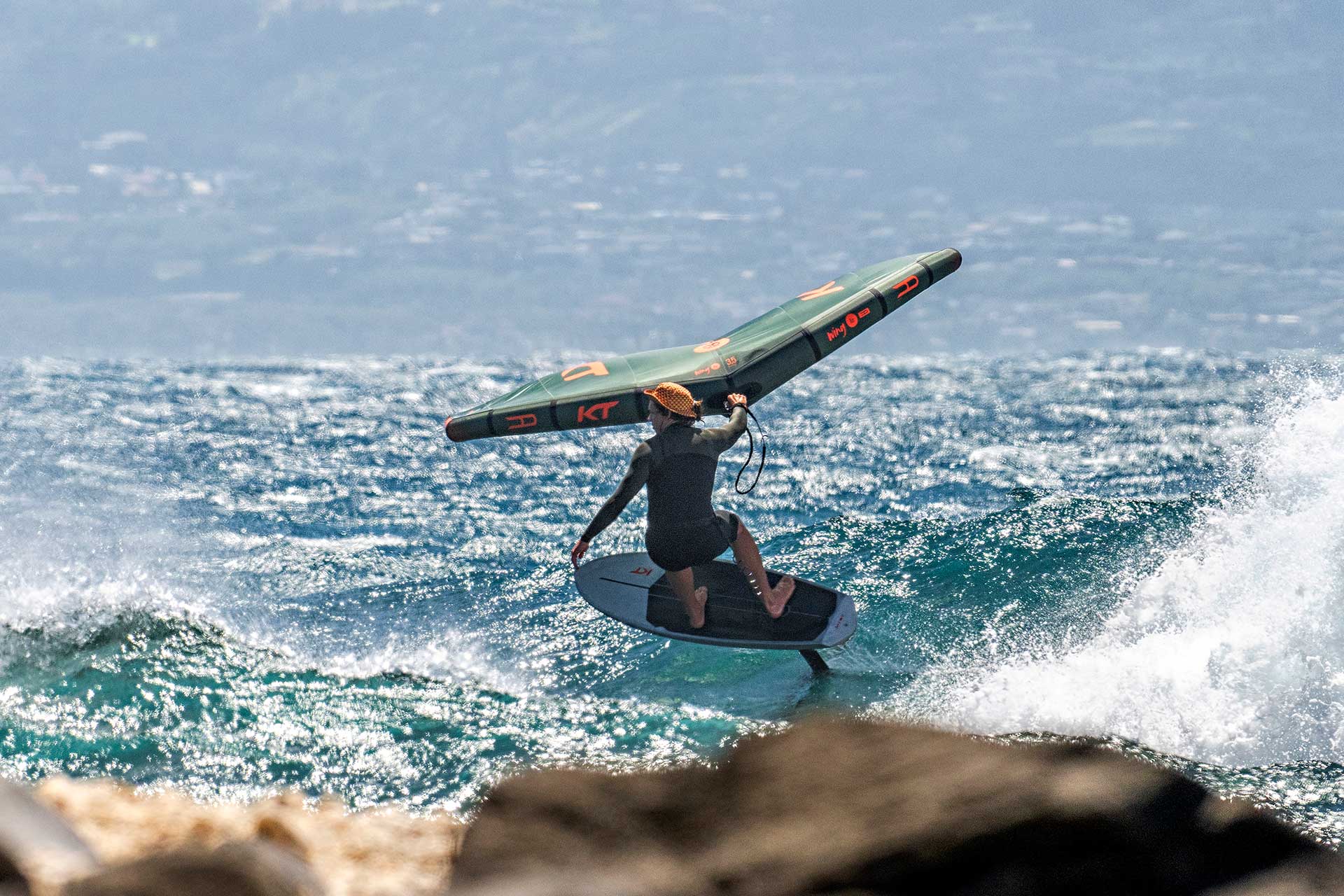
Practical Directory Links Foil Surfers to Communities, Events, Safety Tips
A compact directory lays out active online communities, local meetup strategies, club-vetting checklists, marketplace guidance, and safety norms for foil surfers and eFoil riders. This hands-on resource helps riders connect with peers, organize safe sessions, and make smarter gear purchases.

Foil surfing and eFoil riding communities have grown more organized, and a concise directory now groups the most practical ways to join in, find gear, and stay safe. The resource compiles active forums and owner groups, messaging and meetup tactics, local club vetting criteria, event types to watch for, used-equipment buying checks, and community norms so riders can jump in equipped and informed.
Start online where most conversations happen: Reddit hosts active subreddits such as /r/foilboarding and /r/efoil, and dedicated regional Facebook groups provide local tips and event posts. Manufacturer owner groups for Lift, Fliteboard, and Waydoo are useful for kit-specific troubleshooting, swap threads, and owner-to-owner advice. Use these spaces to ask for local leads, confirm conditions for demo days, and connect with experienced riders before showing up at a launch.
Organize on the go with Meetup.com, WhatsApp groups, and local Discord servers. These platforms work well for arranging dawn sessions, coordinating gear-swap meets, and running safety briefings. For in-person connections, focus on club or school credentials: confirm instructor certification, review the rescue plan, verify liability coverage, inspect demo equipment, and check the student-to-instructor ratio before booking lessons.
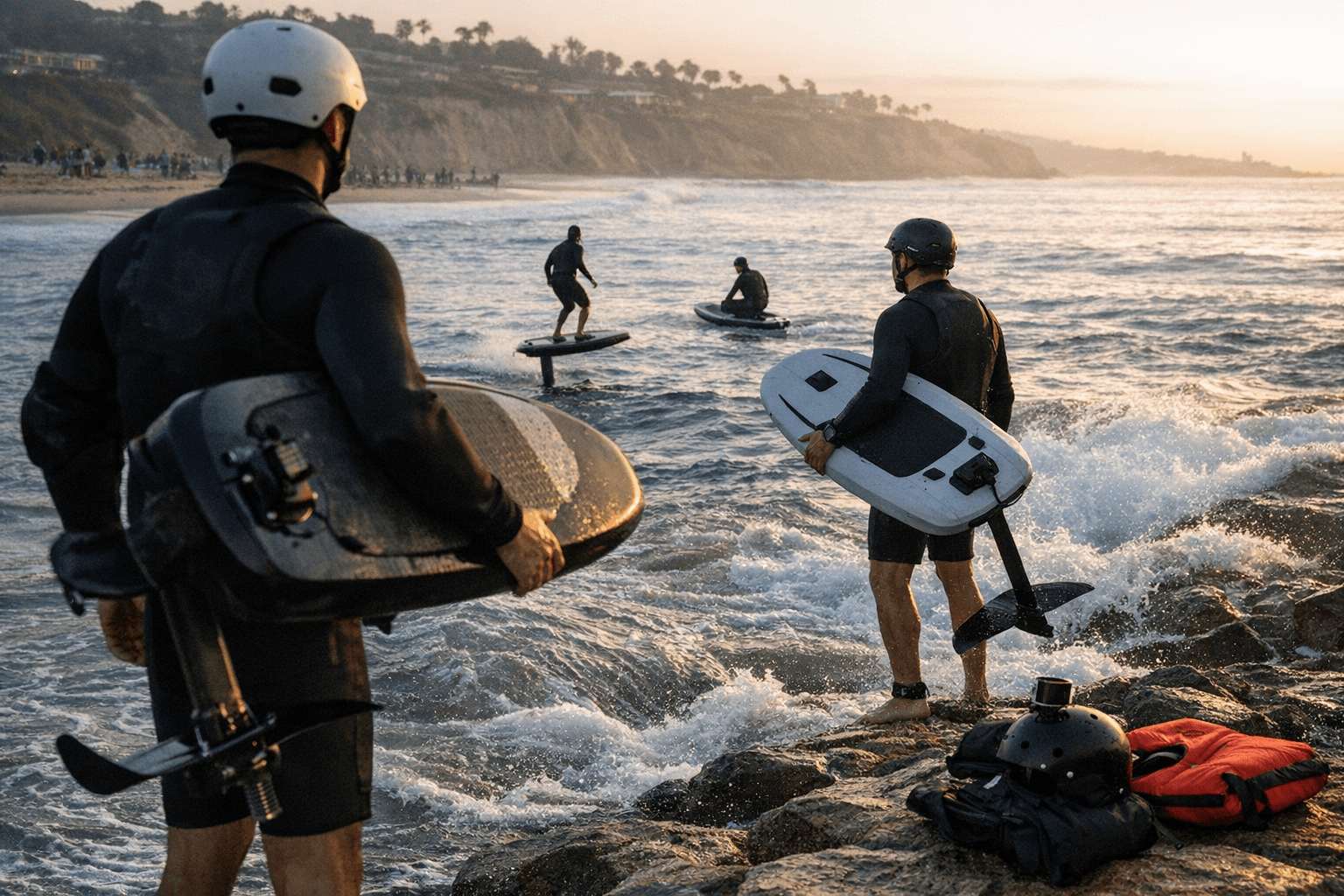
Watch for three event types that accelerate learning and community ties. Dealer demo days and tent events let riders try different setups under supervision. Coastal clean-up events paired with eFoil demos create low-pressure opportunities to meet locals while giving back. Informal foil nights, flat-water sessions at reliable launch points, are ideal for progressive skill-building and casual coaching.
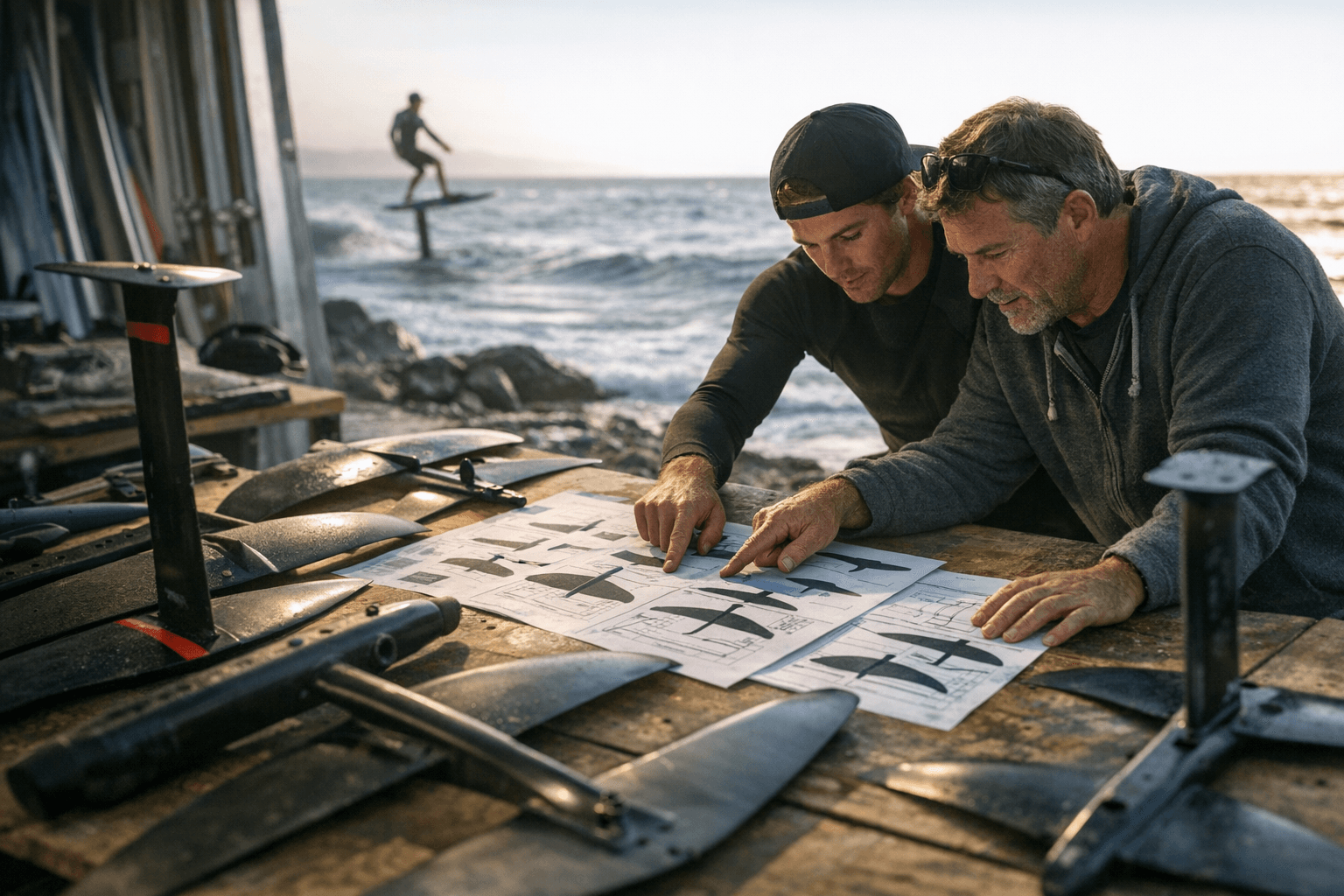
Buying used gear demands careful inspection. Check battery health and ask for battery cycle history, verify motor hours, examine mast integrity, and look closely for delamination signs on boards and foils. Seek sellers who can provide service records and a minimum warranty or return policy, and ask direct questions about maintenance, crash history, and storage habits before committing.
Community norms matter on the water. Respect no-foil zones, yield to surfers and swimmers, and adopt clear communication: hand signals, VHF when appropriate, or agreed shore protocols. Report hazards to local authorities and make a habit of riding within sight of others.
For anyone joining a new foil community, follow a simple starter checklist: confirm local rules, meet a group leader, inspect demo equipment, ride within sight of others, and exchange emergency contact information plus a float plan. Those steps make sessions safer and help build the local networks that keep progress and participation sustainable.
Know something we missed? Have a correction or additional information?
Submit a Tip