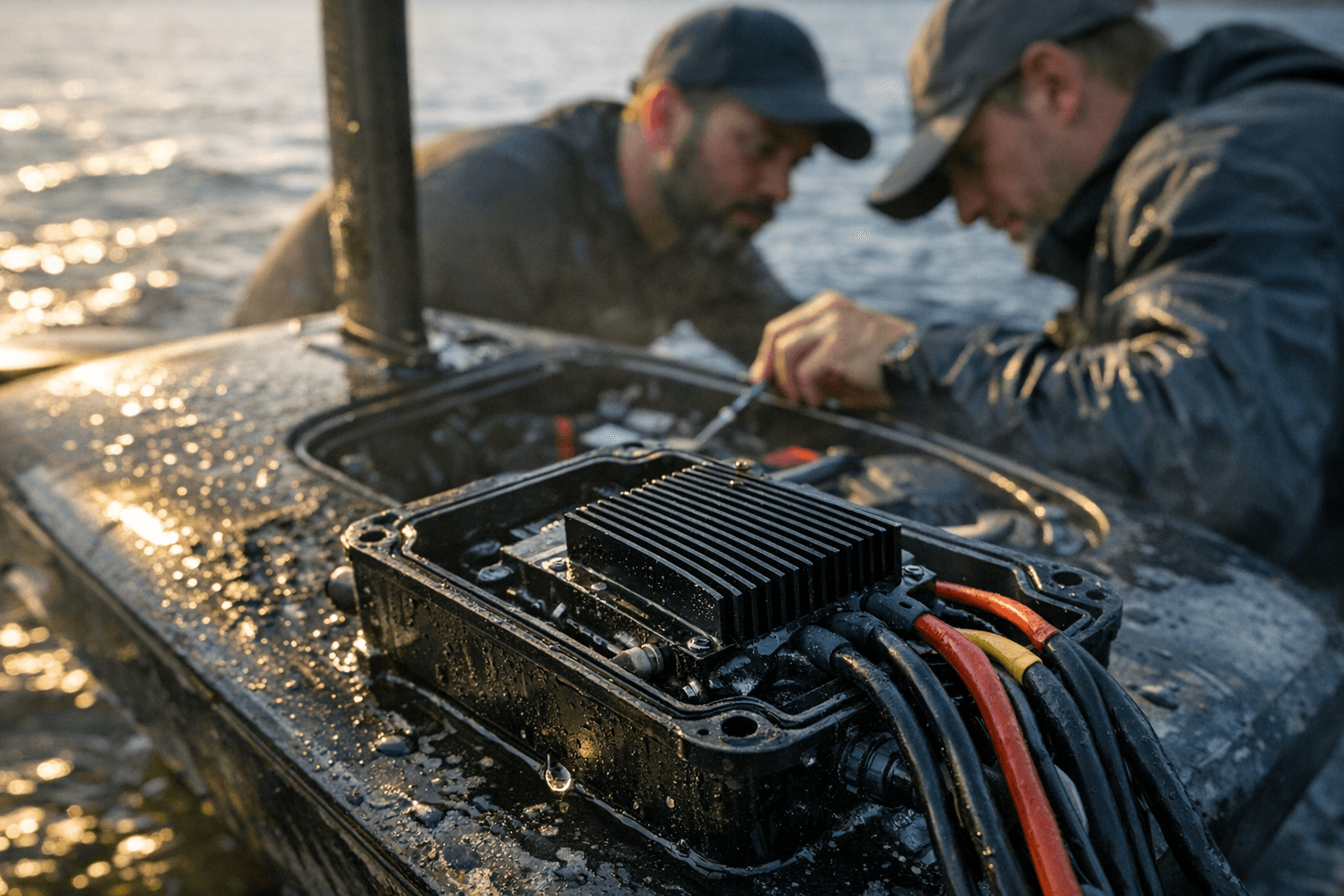
Waydoo EVO rescue build reveals costly battery gap, official specs fill blanks
A discarded Waydoo EVO looked salvageable until the missing battery surfaced a $1,999 to $2,899 rebuild problem.
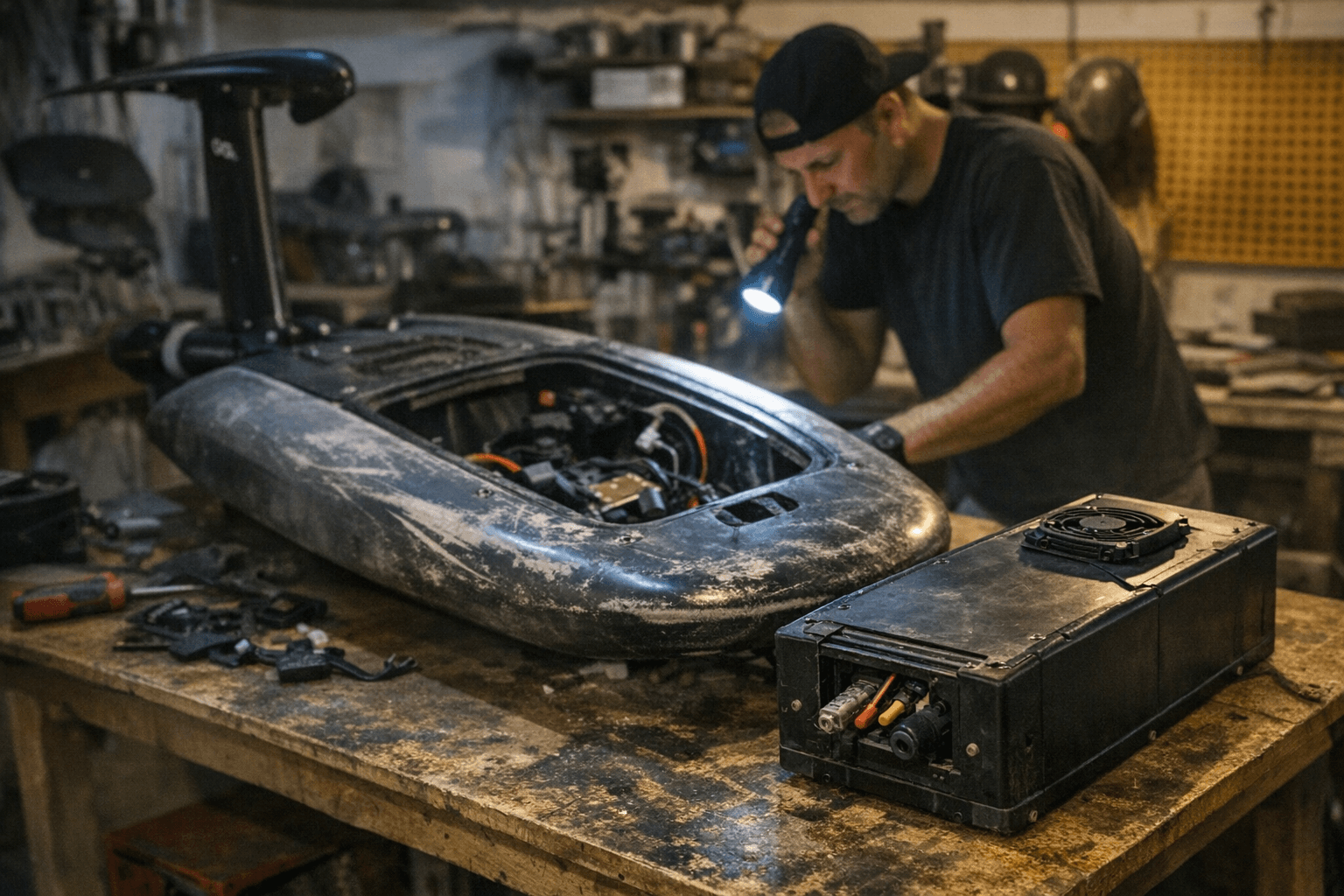
A trash-bound Waydoo EVO can still look like a bargain right up until the battery disappears. That was the trap in a FOIL.zone rescue-build thread, where a user found a set that seemed usable in every other respect and then hit the part that makes or breaks an eFoil: the power pack.
The forum advice started with the smartest first move in any salvage build, test the motor before spending real money. One member suggested running the propulsion system with any ESC and a small battery, just to confirm the core motor still lived. That check matters because a board, mast, and drivetrain can all look fine on the bench while the battery cavity, connectors, or control electronics quietly turn the project into a dead end.
Waydoo’s own current specs show why the missing pack is not a small inconvenience. The Flyer EVO Powerflight Battery comes in 1800Wh and 2300Wh versions, both listed as IP68 waterproof with built-in leak detection and an interactive display. The 1800Wh version is priced at $1,999, weighs 35 pounds, and measures 17 by 11 by 4 inches. It is listed at 58.4V max voltage and 50.4V rated voltage. The 2300Wh pack is priced at $2,899, weighs 39 pounds, and shares the same voltage figures. Both are shown as compatible with the Flyer EVO.
That compatibility is where the rescue plan gets ugly. In the thread, one member explained that Waydoo uses a wet-battery principle, meaning the battery itself is exposed to water and then filled with epoxy to keep moisture out. That is a very different job from working on a sealed battery cavity, and it means a scratch-built replacement would have to match the original form factor exactly in CAD, right down to the connectors, before it could even hope to sit flush in the board.
Waydoo’s own help center and manual point in the same direction. The company has EVO-specific instructions for testing battery airtightness and manual charging, and the user guide says to contact after-sales service immediately if the battery is damaged and not to keep using it. It also says to use original accessories or Waydoo-certified accessories. In practice, that turns the battery and charger into a matched system, not a generic swap.
The price picture should stop a lot of impulse rescues cold. A secondhand battery and matching charger looked like the fastest route in the thread, and that is probably the only route that makes financial sense. Waydoo launched the Flyer EVO on June 14, 2024, so this is not an old platform with a giant used-parts ecosystem. A November 2025 teardown post also described a failed Waydoo battery that was filled with epoxy and showed cell-balance problems and suspected burned resistors inside, which underlines the safety line: once the pack is gone, the bargain can turn into a very expensive shell.
Know something we missed? Have a correction or additional information?
Submit a Tip