Do fountain pen nibs wear out, and what really damages them?
Most nibs do not wear out quickly. If writing turns scratchy, the culprit is usually alignment, burrs, or damage, not age.
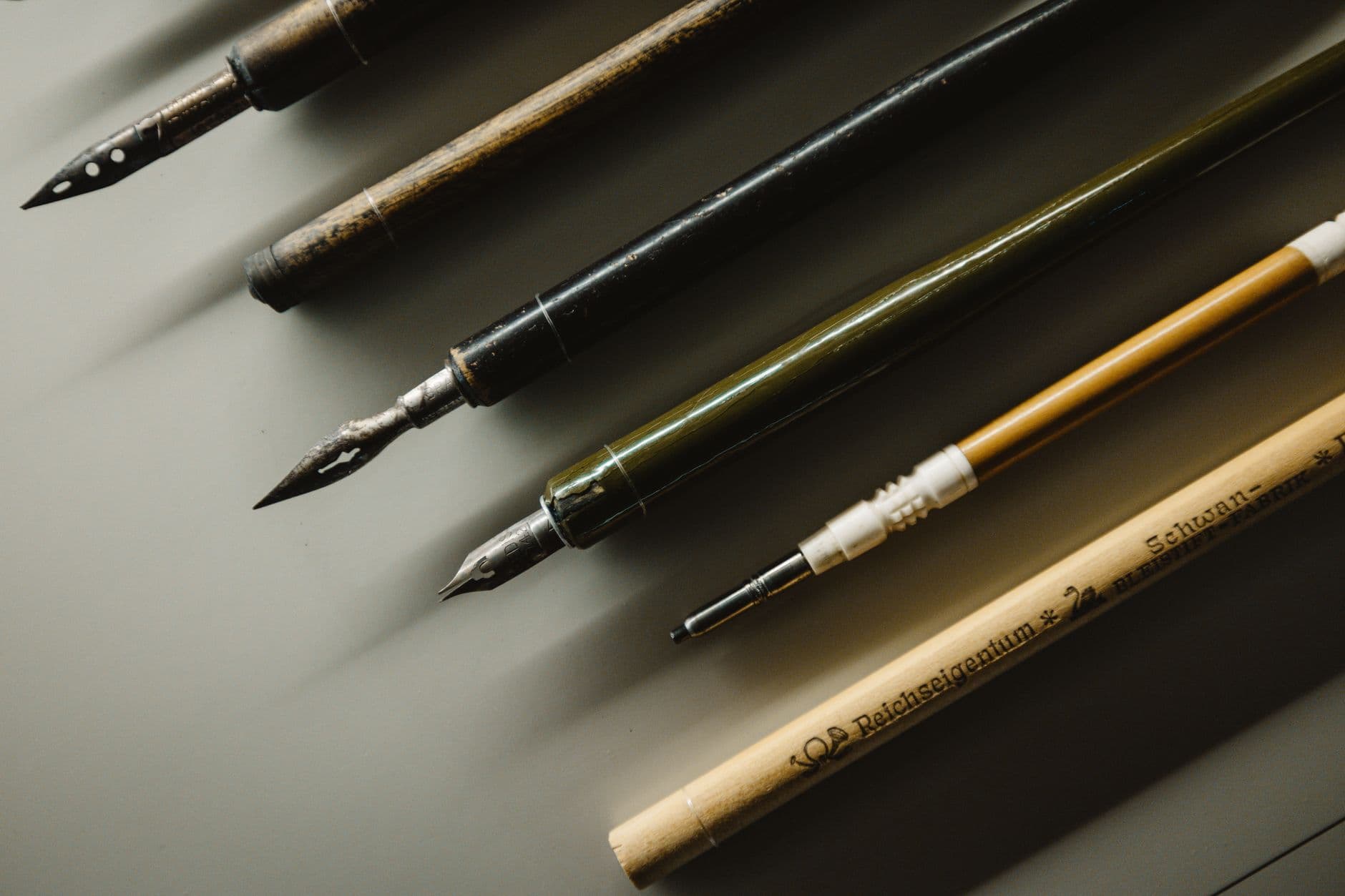
A good fountain pen nib can keep writing for decades, with some lasting 75 to 100 years. The part that touches the page is a hard tipping material, not the nib body itself. The real threat is not slow disappearance of the nib tip, but sudden damage from pressure, drops, rough paper, or bent tines.
What actually wears, and what usually does not
The key distinction is simple: the nib body and the writing surface are not the same thing. Modern nibs are usually tipped with a hard alloy, and that tipping material is the wear surface that matters most. Nib wear mostly comes down to the tipping, not the nib body, because the hard tip is the part that does the writing.
That is why steel versus gold is not the deciding factor many new pen owners think it is. A well-made steel nib with good tipping can outlast a poorly handled gold nib, because retained performance depends much more on the tipping material and the way the pen is used. The body metal matters for feel and construction, but the hard tip is what touches paper day after day.
The other useful correction is historical. “Iridium-tipped” remains common shorthand in the hobby, a historic mark of quality noted by Bottle and Plume. Modern nibs do not appear to use tipping material containing iridium in the literal sense, even when the nib is marked that way. Vintage Pens identifies modern tipping alloys that may use other metals such as ruthenium, tungsten, osmium, or rhenium instead.
Why scratchiness is often not wear at all
Scratchiness is the feeling that sends many people straight to panic mode, but it is often a tuning or alignment issue rather than a worn-out nib. Goulet Pen Company uses a simple directional test: if the pen feels scratchy in one direction only, the nib is likely misaligned. That is a very different problem from gradual wear, and it is usually correctable.
Check the nib under a 10x magnifying loupe for misaligned tines, burrs, or other imperfections. Tiny defects can feel dramatic on paper. A tine that sits a fraction too high, or a small burr left on the tipping, can create a scratchy feel even when the nib itself has plenty of life left.
The practical test is whether the problem is consistent and directional. If the pen glides in one stroke but catches in another, think alignment first. If the nib suddenly feels different after a drop, a hard hand, or a change in paper, think damage first.
What really damages a nib
When nibs do fail, the causes are usually abrupt. Heavy pressure can spread or bend the tines. Dropping the pen can knock the nib out of alignment or deform the tip. Rough paper can increase abrasion and make a nib feel tired long before its time, especially if the writing angle is poor or the user is pressing through the page.
Pressing harder does not make a fountain pen perform better; it just loads the tipping and the tines. Likewise, a nib that is twisted slightly while writing can create uneven contact and accelerate the kind of wear that should never happen in normal use.
This is also where round and shaped nibs diverge. Round nib tips distribute friction more evenly across the page, so they tend to resist wear better. Italic and stub nibs are intentionally shaped to create line variation, which gives them their character but also means their writing surfaces can lose crisp edges more quickly.
Habits that keep a nib healthy
Most nib care is basic, disciplined handling. Write with a steady angle so the tipping stays in even contact with the paper. Avoid unnecessary rotation, because turning the pen can shift the sweet spot off center and make one tine do more work than the other. And do not press hard. A fountain pen should lay down ink with light pressure, not behave like a ballpoint.
Cleaning matters too. Ink residue, especially dried ink around the nib and feed, can create drag that feels like scratchiness. Before assuming the nib has aged out, flush out buildup and check whether the feeling changes on fresh ink. A clean nib often reveals that the problem was not wear, but residue or flow.
When to keep writing, when to inspect, and when to seek repair
If the nib is only a little dry or slightly toothy, start with the low-drama checks: clean it, inspect it under magnification, and look for tine alignment. If the scratchiness is directional, that points more toward a nib that needs tuning than a nib that has worn out. If the pen was dropped or now feels dramatically different, stop forcing it and examine the tip closely.
A nib that still has its tipping and no obvious deformation can often be restored to a smooth write with careful adjustment. A nib that has lost shape, suffered a hard impact, or shows visible damage is a different case and may need professional repair.
This article was produced by Prism’s automated news system from verified source data, official records, and press releases, then run through automated quality and moderation checks before publishing. The system is built and supervised by the people who set the standards it runs under. Read our full AI policy.
Did this article answer your question?