On The Paper Trail explores favorite papers, sizes, and notebook design
Episode 12 gets brutally practical about paper: dry time, feathering, show-through, and notebook size decide whether a sheet earns daily carry status.
Episode 12 of On The Paper Trail uses real notebooks, real inks, and real pens to test what “FP-friendly” paper actually does on the page.
What paper has to do before it earns daily-carry status
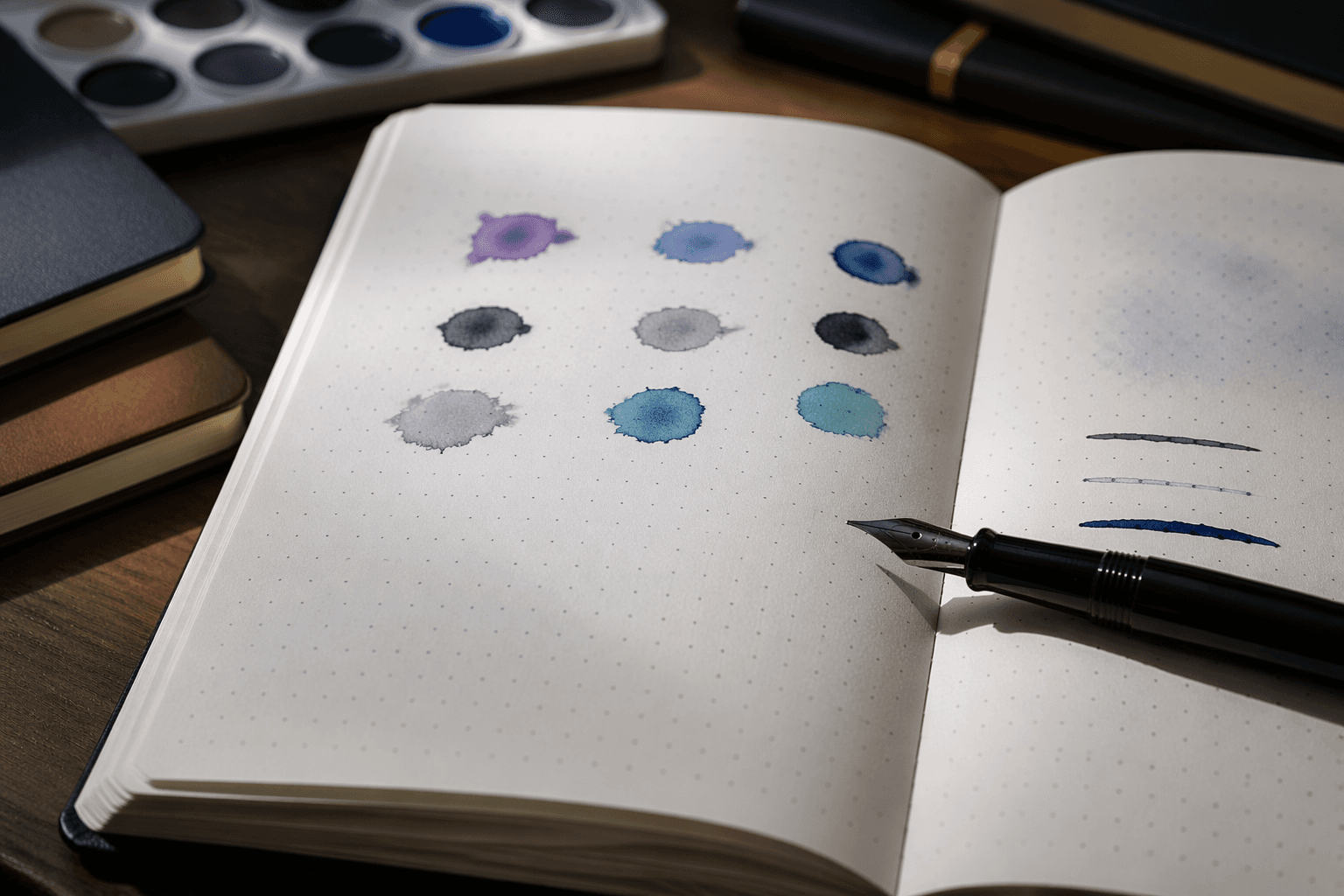
Paper starts proving itself the moment nib meets sheet. Dry time tells you whether you can move fast without smearing, feathering shows whether the ink spreads into fuzzy edges, and show-through tells you how much of the front side you give up to the back. Texture matters too, because a sheet that feels silky with one nib can feel draggy or overly slick with another.
That is why nib and ink pairing matters so much. A controlled pen like the Pilot Kakuno with Pilot Iroshizuku Ku Jaku will read very differently on paper than a wetter fill from a TWSBI ECO Rootbeer, especially when you move into broader nibs or more saturated inks. The episode’s line-up also includes the Pilot Custom Heritage 92, Kobe Nagasawa inks, Kakimori notebooks, Kakimori pens, Kakimori Inkstand inks, Midori MD Cotton paper, Nakabayashi Logical Prime, and Maruman Mnemosyne.
A paper that handles a fine nib cleanly may start complaining as soon as you switch to a stub, a wetter ink, or a slower handwriting style.
Notebook design is not cosmetic
Notebook ruling, spacing, binding, and texture all change the writing experience before you even get to the ink. Wider spacing can make a page feel more open and easier to use with larger handwriting, while tighter ruling suits compact note-taking and smaller nibs.
Lay-flat design is another real-world test. If a notebook refuses to open flat, you feel it immediately at the gutter, especially when you are writing in the middle of a spread or trying to keep your hand off a raised spine. Sewn signatures and well-made bindings tend to open more easily than rigid glued constructions, and that matters more than the cover art once the notebook becomes a daily carry item.
The episode makes room for those physical details because they decide whether a notebook gets used or abandoned after a few pages. A beautiful cover cannot rescue a binding that fights back, and a page that looks elegant on a shelf can still be miserable if it curls, warps, or pushes your writing into the gutter.
A4, A5, and the paper-size question people keep tripping over
International paper sizing is one of those topics that sounds dry until you actually try to buy notebooks across brands and countries. ISO 216:2007 remains the current standard for trimmed writing-paper sizes and related printed matter, and the A-series is the global benchmark outside North America. A4 and A5 sit inside that system, which is why they show up so often in the stationery world.
That standard matters because many U.S. brands still use less rigidly standardized dimensions, so a notebook that is called “A5-ish” may not behave like a true A5. If you care about inserts, covers, or shelf organization, the difference becomes obvious fast. A standardized size gives you predictable fit; a looser system gives you more variety, but also more measuring and more surprises.
For fountain pen users, size is not just about convenience. A larger page can invite broader nibs, longer writing sessions, and more room for shading and line variation, while a smaller format can make you think more carefully about every line.
Why these particular brands matter
Pilot Corporation was founded in 1918, which gives the company more than a century of writing-instrument history behind pens like the Kakuno and Custom Heritage 92. TWSBI’s ECO is a piston-filling fountain pen, and it is sold with nib sizes ranging from extra-fine to stub 1.1, which makes it a useful test pen when you want to see how paper reacts across a broader writing range.
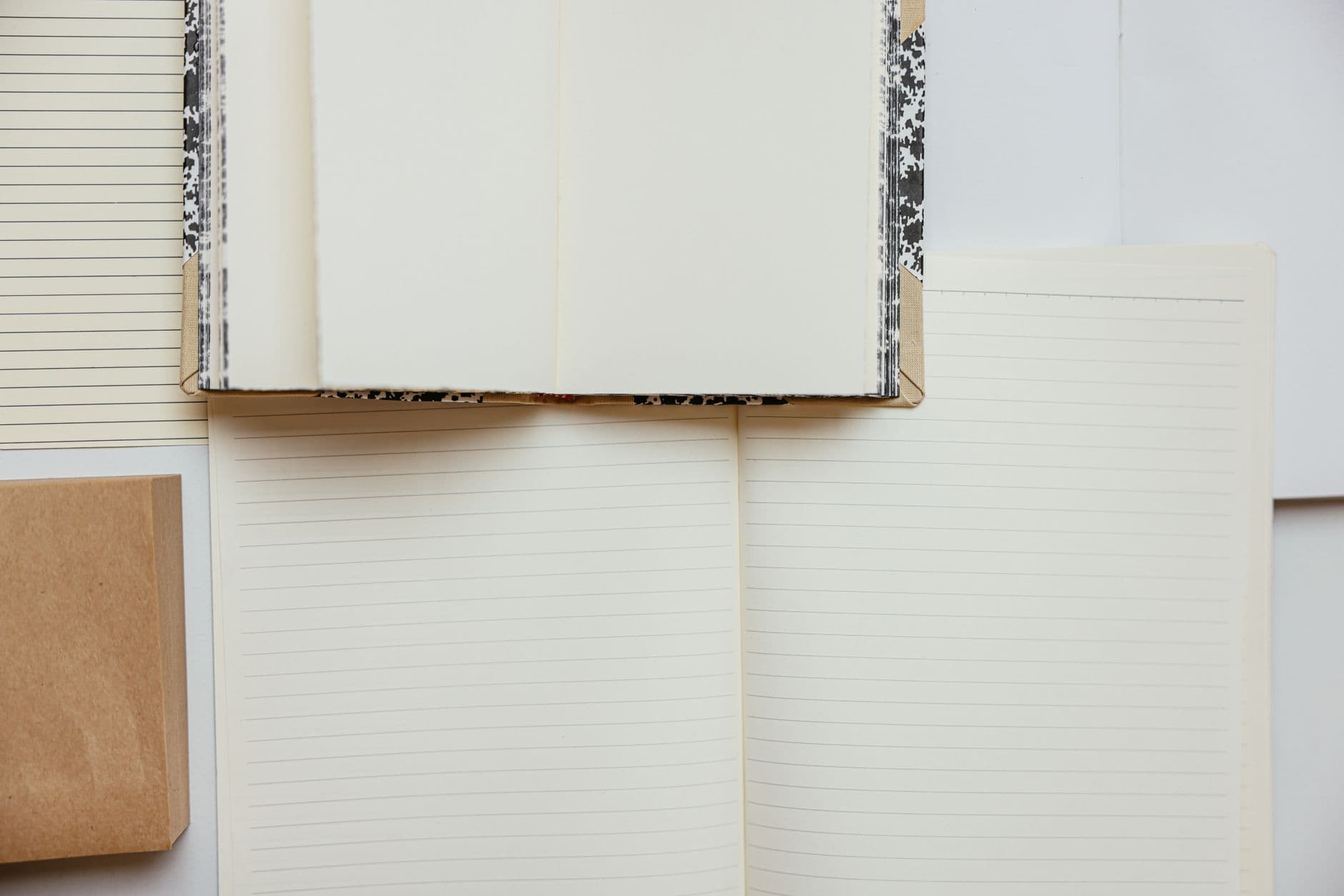
The paper and notebook brands in the episode are similarly specific. Kakimori’s original products are dedicated to the joy of writing, and the company sells notebooks, pens, inks, letter papers, and envelopes. Midori MD Cotton paper uses 20% cotton pulp, Nakabayashi’s Logical Prime line is fountain-pen friendly and quick-drying, and Maruman Mnemosyne offers smooth writing with minimal bleed-through and is suitable for fountain pens.
A show that treats paper like a working tool
On The Paper Trail has been building this conversation in public, with Joe Crace of The Gentleman Stationer and Lisa Vanness of Vanness Pens guiding a podcast archive that already includes Episode 11, Episode 10, Episode 9, and earlier shows.
The live event in Nashville from October 16 to 18, 2026, is set for Hilton Garden Inn Cool Springs in Franklin, Tennessee, with day passes and weekend passes available, and the setup is aimed at bringing together vendors and people who care about paper, pens, and the analog side of writing.
This article was produced by Prism’s automated news system from verified source data, official records, and press releases, then run through automated quality and moderation checks before publishing. The system is built and supervised by the people who set the standards it runs under. Read our full AI policy.
Did this article answer your question?