Graphilo by Kobeha proves one of the best fountain pen papers
Graphilo earns its reputation by making ink look vivid, not just passable, but the price is slower dry times. Its 81.4gsm sheet sits closer to a showcase surface than a workhorse.
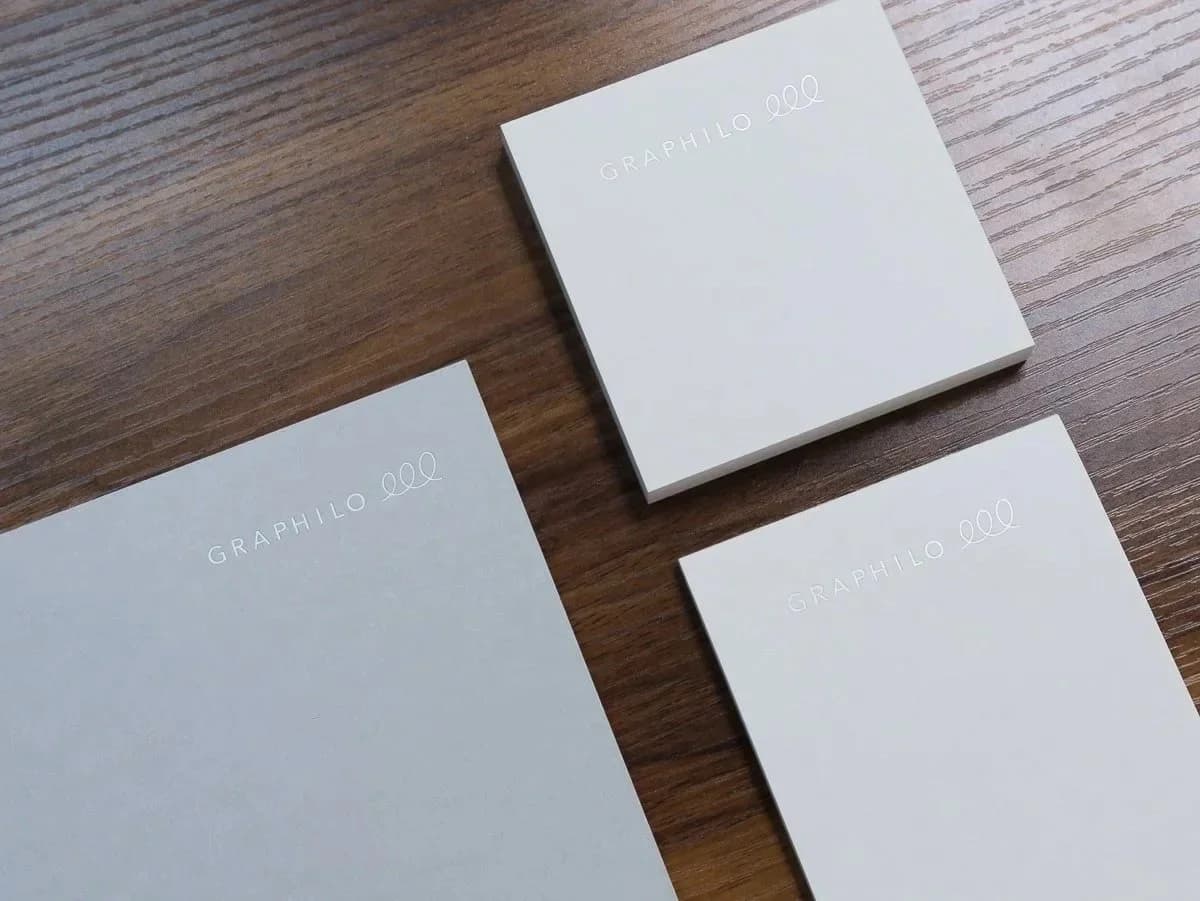
Kobeha's Graphilo fountain pen paper frames ink with crisp lines, strong shading, and enough surface character to keep the writing interesting. That combination has pushed Kobeha’s paper into the top tier for writers who care as much about how ink looks as about how the notebook feels in daily use.
What Graphilo is, and why the name matters
GRAPHILO is original paper made just for fountain pens, built for comfortable writing, clear edges, and beautiful color reproduction. The name itself combines Greek roots for “write” and “love.” Kobeha Keikaku itself was formed in 2011 through a collaboration between Kobe-based printing company Daiwa Shuppan Printing and designer Jin Sugahara.
For years, Graphilo was hard to obtain in the United States, and when it did show up it often carried a premium price, which turned it into a specialty item with a devoted following. More recent availability has made it easier to find.
The ink performance that puts it in the conversation
Graphilo handles ink on the page with sharp lines, no feathering, and no bleedthrough in the conditions it is designed for, and the paper gives fountain pen ink room to express itself instead of flattening it. It makes shading, sheen, and multi-chromatic behavior visible rather than hiding those effects under absorbency.
It works well for swatching, ink testing, and even just keeping a currently inked list where the notebook page becomes part of the display. It is designed to bring out the best in fountain pens and is a good choice for shading performance. In practice, that puts Graphilo in the same conversation as papers prized for presentation, including MD Cotton Paper, which also has a reputation for strong color reproduction.
Where the paper trades speed for looks
The same qualities that make Graphilo beautiful can also make it slower to dry. A paper that highlights shading and sheen usually gives the ink more time to sit on the surface, and Graphilo follows that pattern, especially with wetter nibs.

Its 81.4gsm weight helps explain why it feels sturdier than ultra-thin options like Tomoe River. The sheet has a slightly textured feel, which adds a little more presence under the pen and can make it feel more durable in heavy use. It resists feathering and bleedthrough even with wet inks, while customer feedback on JetPens consistently praises the lack of bleedthrough and the way shimmer and sheen come through on the page.
The renewal and what changed around it
On June 9, 2025, Kobeha said some raw materials for GRAPHILO had been discontinued, which led to a renewal of the paper. The renewed version was marked R6 on the package and was first scheduled to appear on July 19-20, 2025. Kobeha said the new version would keep the traditional characteristics as much as possible.
The strongest praise around Graphilo has often focused on the last two batches, especially the most recent versions. The formula continued to be refined across several iterations.
Who gets the most out of it
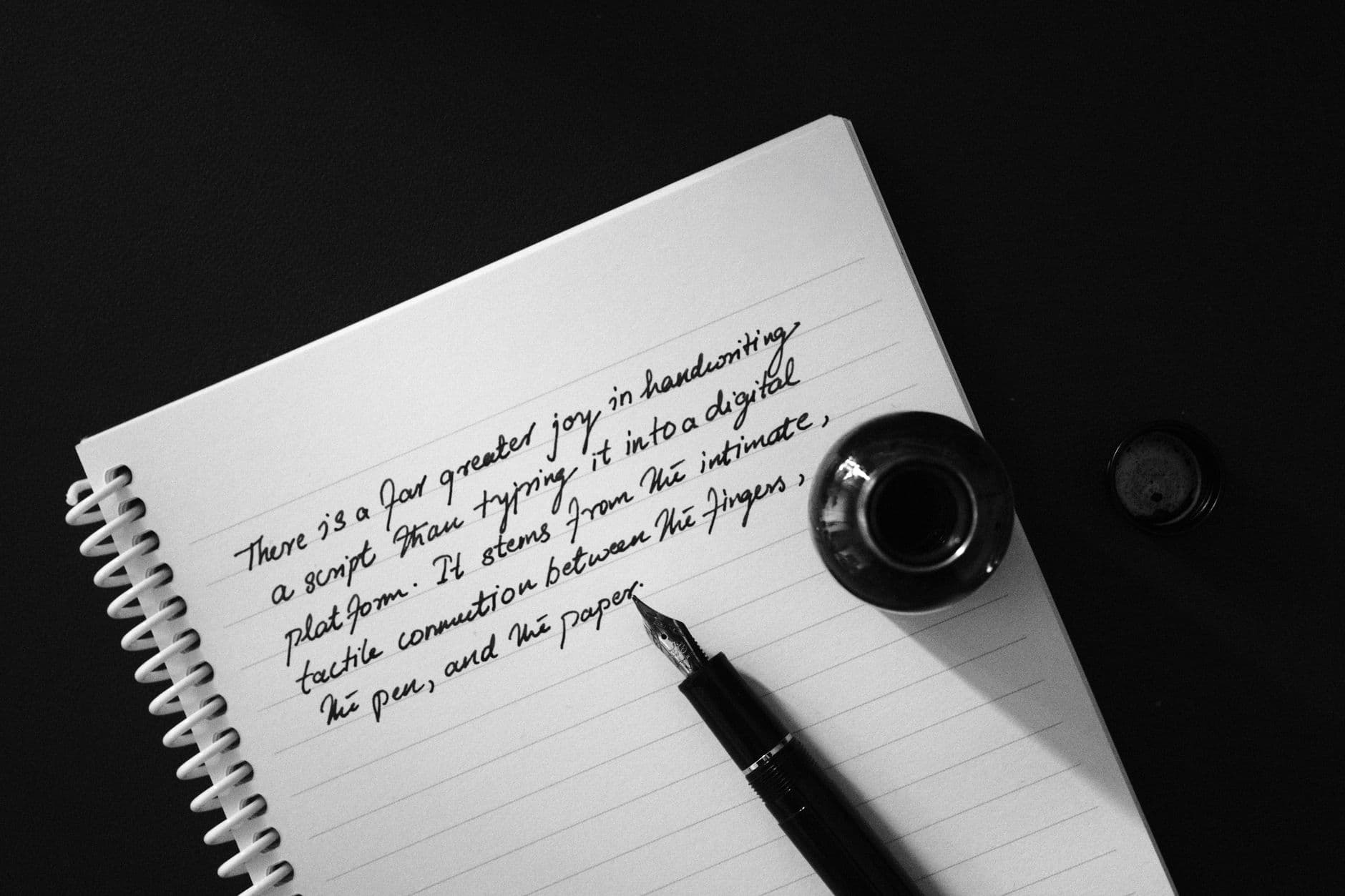
Graphilo rewards the kind of writer who wants the page to be part of the experience. If you spend time with swabs, test pages, favorite inks, or notebooks where the writing itself is as much a visual object as a record, Graphilo does exactly what premium fountain pen paper should do. It shows line sharpness clearly, highlights shading beautifully, and gives sheen enough room to appear without turning the sheet into a gimmick.
It is less convincing as a purely utilitarian everyday paper if dry time is your top concern or if you write fast with very wet nibs. For deliberate writing, especially when you want a paper that can keep up with expressive inks, Graphilo sits comfortably in the showcase category.
This article was produced by Prism’s automated news system from verified source data, official records, and press releases, then run through automated quality and moderation checks before publishing. The system is built and supervised by the people who set the standards it runs under. Read our full AI policy.
Did this article answer your question?