Bisti/De-Na-Zin Wilderness: Practical Guide for Photographers and Responsible Visitors
A new practical spotlight highlighted Bisti/De‑Na‑Zin Wilderness and why photographers and ecotourists must plan for remote travel, respect tribal lands, and follow strict wilderness rules.
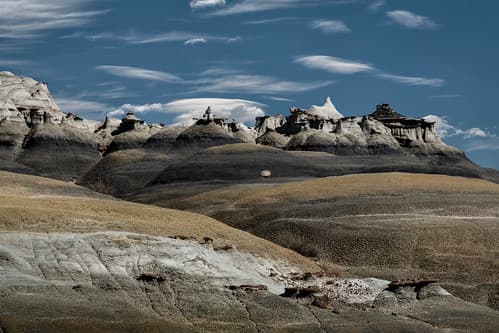
Photographers and backcountry visitors drawn to the Bisti/De‑Na‑Zin Wilderness will find otherworldly hoodoos, "cracked-egg" concretions and known fossil occurrences, but the area is a designated Wilderness Area with firm limits on behavior and access. That designation means no motorized vehicles and no mountain bikes, and it places responsibility on every visitor to travel light and leave no trace.
The badlands sit in northwestern New Mexico in the Four Corners region and are managed under federal public lands rules. Camping options exist nearby at Nageezi and the Bisti campgrounds, but the wilderness proper is non-motorized and fragile. Visitors should plan on remote-area logistics: long approaches over sandy tracks, minimal signage, and limited services. Carry water, navigation tools, and spare batteries, and expect to hike off-trail to reach prime formations and fossil- bearing outcrops.
Stewardship rules are explicit. Collecting fossils or petrified wood is prohibited, climbing on delicate formations is discouraged to prevent collapse and erosion, and group limits are enforced to reduce impact. These rules protect the cracked-egg concretions and slender hoodoos that photographers prize for silhouette work at sunrise and sunset. Bring a tripod, mind the light, and keep distance to preserve textures for future shooters.
Respect for adjacent tribal lands is central to responsible travel. Place names and pronunciations reflect Navajo language and local perspectives; visitors will benefit from learning pronunciation notes and cultural expectations before arriving. Access routes and parking can be near or cross tribal boundaries, so check land status and be courteous to communities and private inholders near trailheads.

Navigation and safety are practical priorities. Maps and Bureau of Land Management visitor pages provide current conditions and route guidance; confirm seasonal road conditions and campground status before setting out. In remote country, a topographic map and compass provide redundancy for GPS, and hikers should tell someone their route and expected return time. Low-impact practices such as stepping on durable surfaces, packing out all trash, and avoiding trampling cryptobiotic soil matter here as much as camera settings.
For photographers chasing alien landscapes, the Bisti/De‑Na‑Zin rewards effort with unique compositions and quiet light. For residents and Four Corners adventurers, the message is clear: the scenery is exceptional, but it is fragile. Plan ahead, respect restrictions, and leave the formations as you found them so the next generation of shooters and explorers can do the same.
This article was produced by Prism’s automated news system from verified source data, official records, and press releases, then run through automated quality and moderation checks before publishing. The system is built and supervised by the people who set the standards it runs under. Read our full AI policy.
Did this article answer your question?