Canyonlands warns backcountry roads can turn hazardous after rain or snow
A wet canyon road can turn a Moab day trip into a $2,000 tow. Canyonlands told visitors to bring 4LO, chains and recovery gear before heading out.

A sunny drive out of Moab could still end with a stranded rig in Canyonlands, where the park warned that backcountry roads can change quickly after rain or snow and that some routes can become impassable in a matter of hours. The update matters most for visitors aiming at the park’s rougher roads, where the difference between a good weekend and a rescue call often comes down to whether the vehicle, the gear and the weather all line up.
Canyonlands said most backcountry roads require high-clearance, four-wheel-drive vehicles with low-range gearing, not just standard 4WD badges. White Rim Road is stricter still: the park said it requires 4WD with low range, and all-wheel drive and two-wheel-drive vehicles are not allowed there. Drivers were also told not to bring vehicles taller than 9 feet 6 inches because of overhangs. For self-recovery, the park advised carrying a full-size spare tire, extra gas, extra water, a shovel, a high-lift jack and chains for all four tires, with chains especially recommended from October through April and required for winter travel.
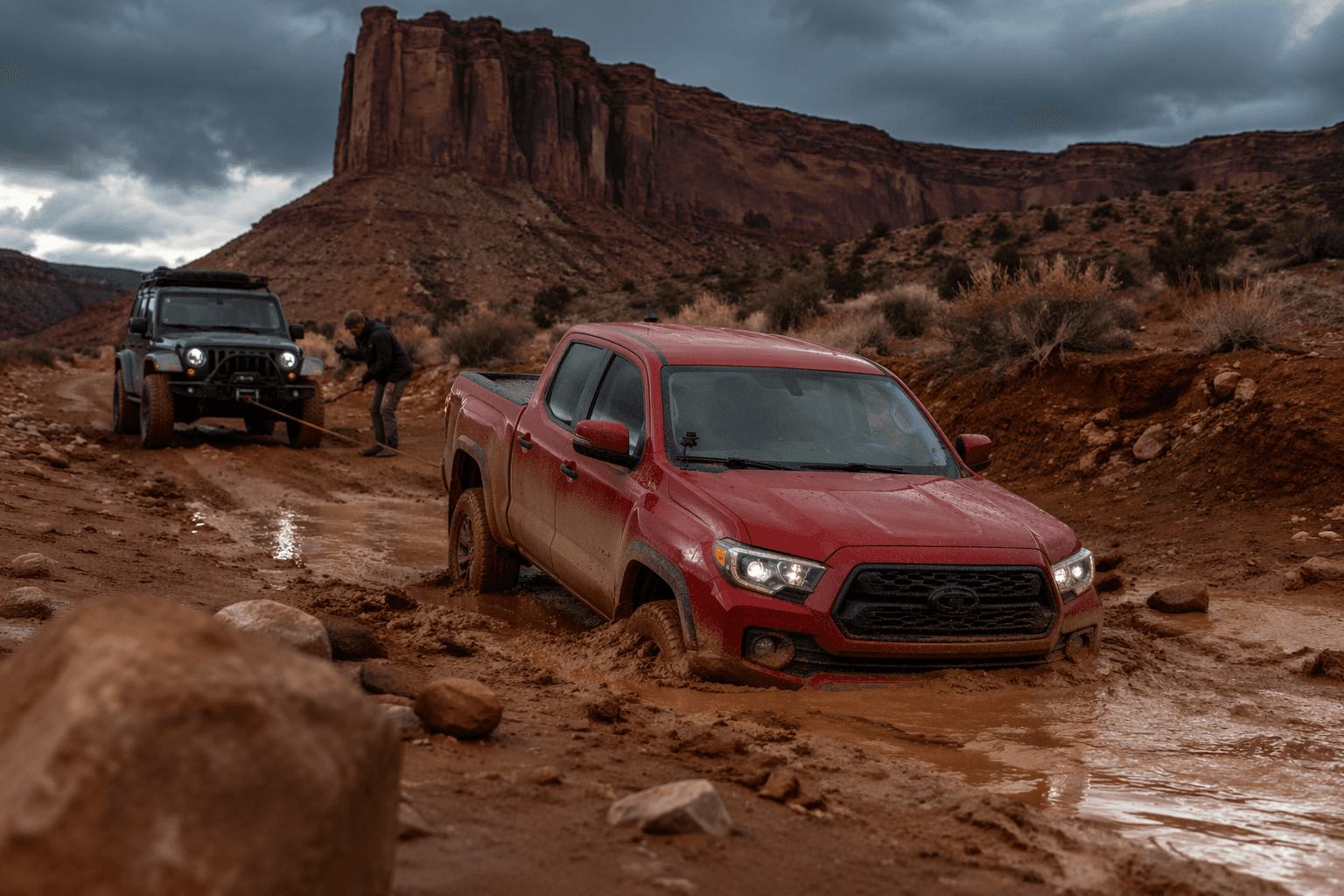
The financial hit for getting it wrong was stark. Canyonlands said commercial towing can run more than $1,000 if a vehicle breaks down in the backcountry, and towing below the Flint Trail starts at over $2,000. That is why the park framed the warning as a trip-planning issue, not just a safety note. Travelers were urged to check road conditions before leaving, budget extra time for turnarounds and assume a route that looks passable at the trailhead may deteriorate before they come back.

Permits added another layer of planning. Day-use permits were required for White Rim Road, Elephant Hill, Lavender Canyon and Peekaboo/Horse Canyon roads, and all overnight backcountry trips needed an overnight permit. Day-use permits could be reserved at 8 a.m. mountain time the day before the trip on Recreation.gov, while overnight reservations for White Rim and Needles backpacking were described as especially competitive in spring and fall. Canyonlands also reminded visitors that the park covers 337,598 acres, is divided into four districts with no roads connecting them, and treats all lands, including the four-wheel-drive roads and the Shafer Trail below the day-use parking area, as backcountry. In winter, the stakes rose further: visitor services were reduced, daytime temperatures averaged 30 to 50 degrees, nights dropped to 0 to 20, the Shafer Trail was often impassable, and even a little snow or ice could shut down a route that had looked workable the day before.
This article was produced by Prism’s automated news system from verified source data, official records, and press releases, then run through automated quality and moderation checks before publishing. The system is built and supervised by the people who set the standards it runs under. Read our full AI policy.
Did this article answer your question?