Utah funds La Sal Mountains habitat restoration project in Grand County
More than $3.4 million in license-backed funds is headed to 71 habitat projects, including $50,000 for aspen and mule deer work in Grand County's La Sal Mountains.
Utah’s Habitat Council allocated a little more than $3.4 million to 71 habitat restoration projects for the fiscal year running from July 1, 2026, through June 30, 2027, and one of the most local awards in the pile will send $50,000 to the La Sal Mountains in Grand County. The money traces back to hunting and fishing license-related fees, the pool the council was created to manage when the Utah Legislature set up the Wildlife Habitat Account in 1995.
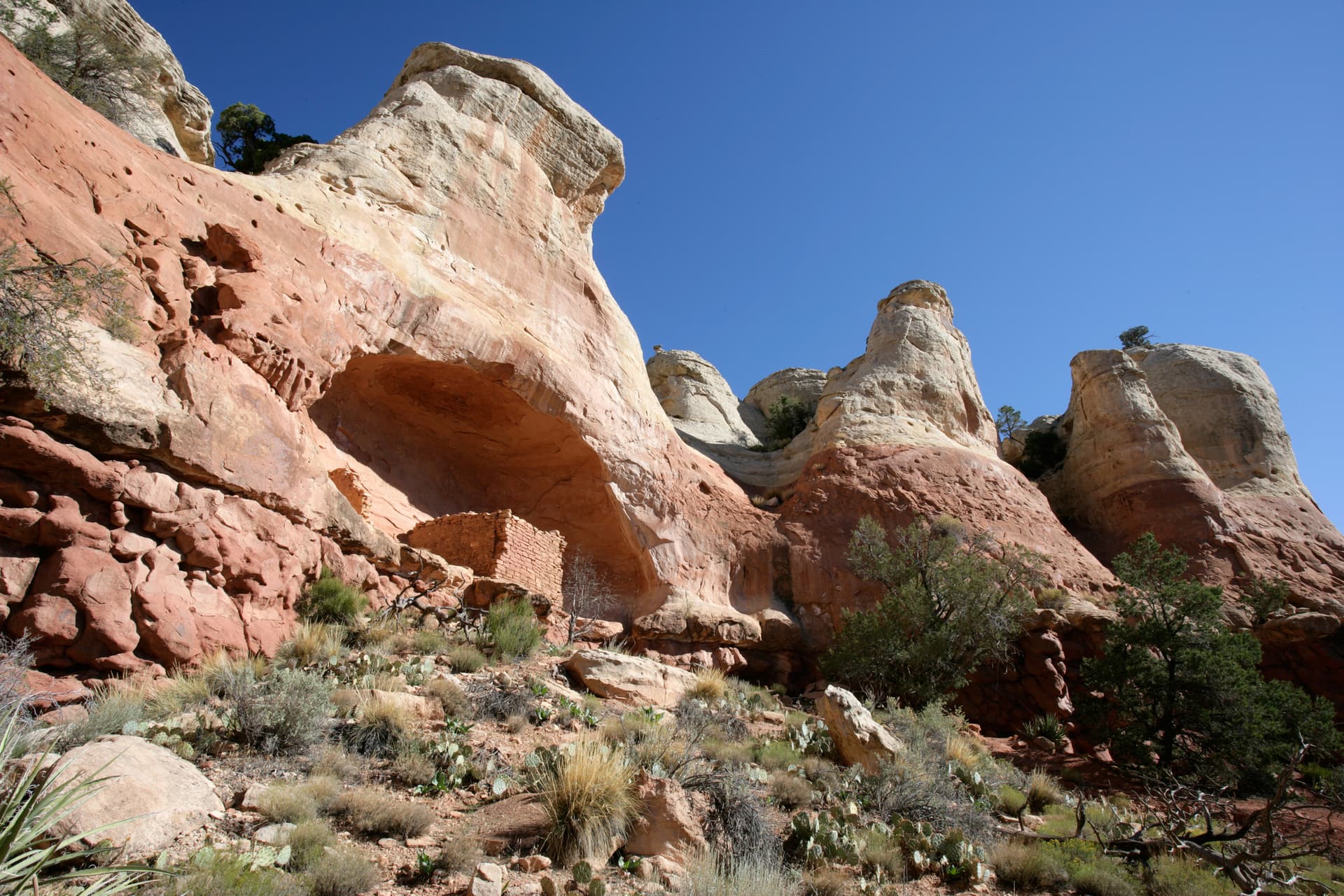
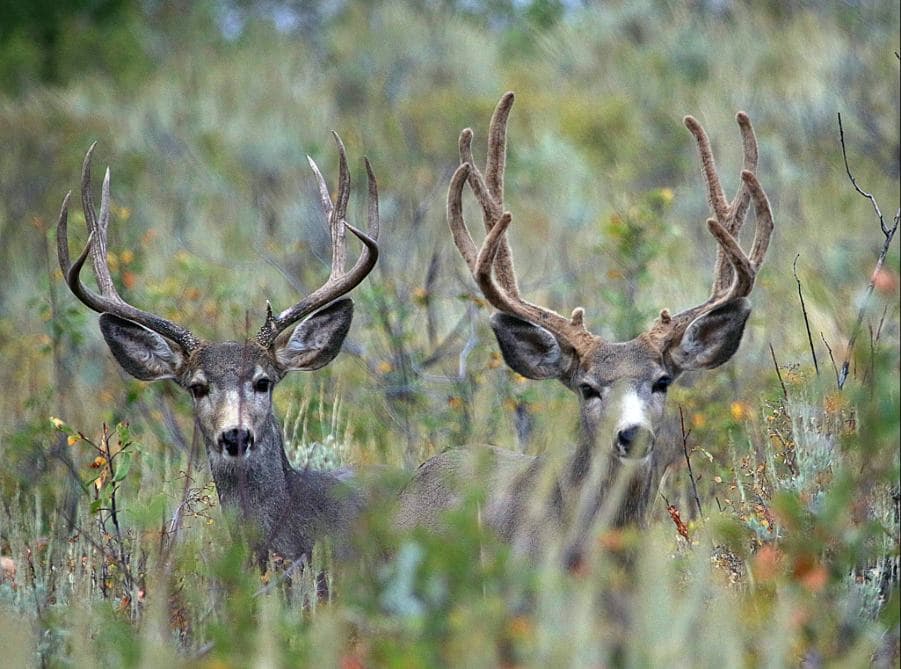
The Eastern Sierra De La Sal Mountain Beaver Basin project will use that $50,000 to restore aspen and improve habitat on the northeastern side of the La Sals, where mule deer summer range still matters in a part of the state known as much for steep backcountry as for hunting ground. In a region where drought, invasive plants, wildfires and development have already chipped away at deer habitat statewide, the La Sal work is aimed at keeping the cover and forage in shape for wildlife that depends on those high-country slopes.
The Habitat Council itself is built to steer those license dollars back into the field. It has eight members, four public representatives and four employees of the Utah Division of Wildlife Resources or the Department of Natural Resources, with the DWR Habitat Section chief serving as chair. Its job is to recommend spending on projects that enhance, preserve, protect, manage and acquire fish and wildlife habitat, while also improving hunting and fishing access.

That broader statewide pipeline showed up in the rest of the funding list as well. DWR pointed to habitat and access work at Little Montes Wildlife Management Area and fishing-access improvements elsewhere in Utah, a reminder that the checkoffs tied to tags, permits, stamps and registrations are not aimed at a single drainage or a single species. The agency said the money helps sustain critical fish and wildlife habitat for future generations, and that climate conditions are continuing to shift, making restoration work more urgent, not less.
Around the La Sal watershed, the work is already being organized through the La Sal Sustainability Collaborative, with the U.S. Forest Service, Bureau of Land Management, State Institutional Trust Lands Administration, Utah Department of Agriculture and Food, Utah Division of Forestry, Fire and State Lands, Natural Resources Conservation Service, Trout Unlimited, livestock permittees and private landowners all in the mix. That kind of coordination is what turns license money into real ground work, the kind that shows up later as better aspen, healthier riparian areas and more reliable habitat where hunters, anglers and other public-land users actually spend their time.
This article was produced by Prism’s automated news system from verified source data, official records, and press releases, then run through automated quality and moderation checks before publishing. The system is built and supervised by the people who set the standards it runs under. Read our full AI policy.
Did this article answer your question?