Colorado bears active early, CPW urges trash and food precautions
Warm winter conditions left Colorado bears hungry early, and CPW says trash, bird seed and food left outside are already drawing them into southwest Colorado neighborhoods.

Bears were already moving through southwest Colorado with an early appetite, and Colorado Parks and Wildlife said the combination of a historically low snowpack and warm winter weather has pushed them toward easy food before the summer season is fully underway. John Livingston put it plainly on KOTO’s May 7 newscast: “Bears are up. They’re active. They’re hungry.” He said the animals were coming out of dens, finding grass, and running into fewer natural food sources than usual.
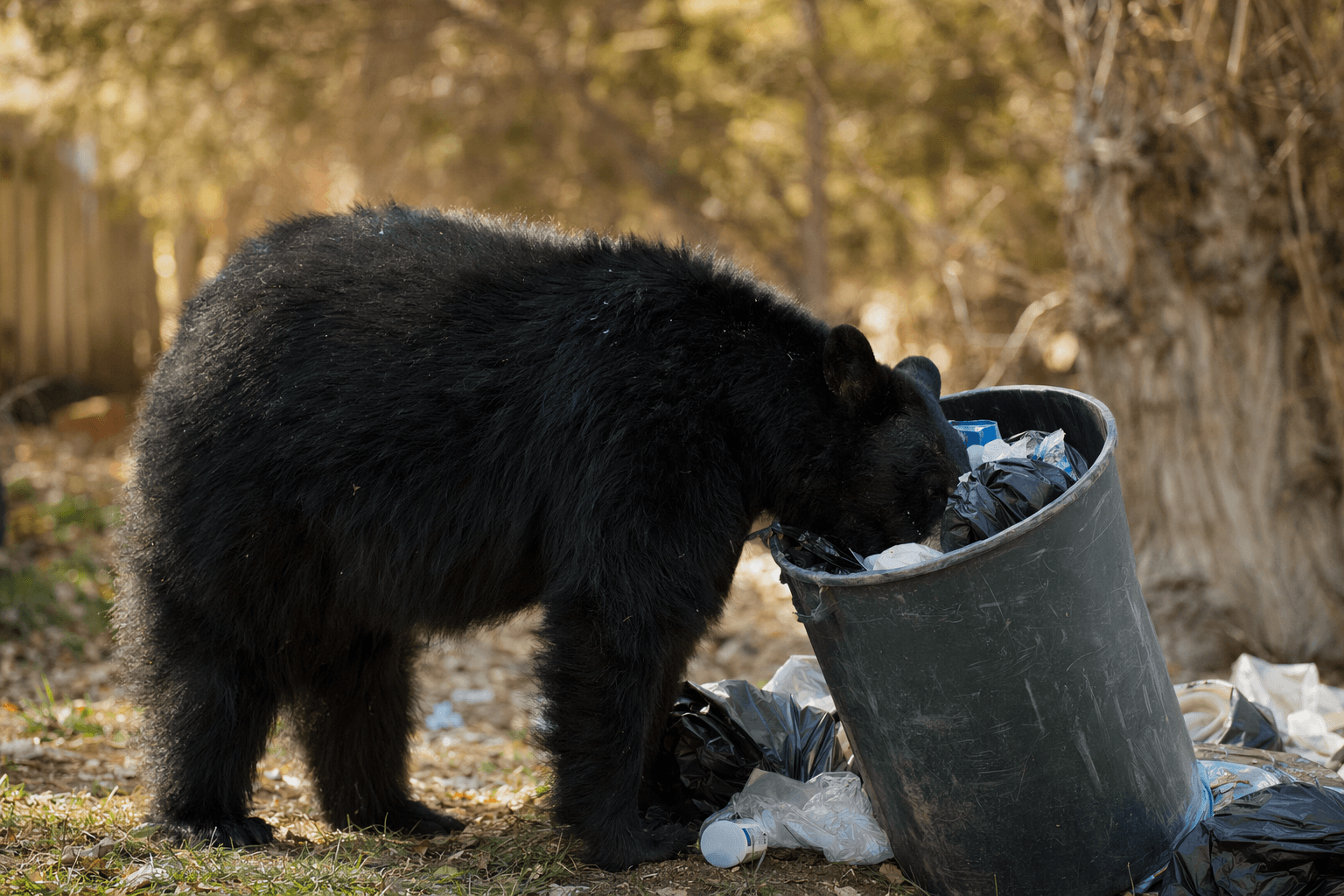
That makes this the week to change habits around homes, trailheads and campgrounds. CPW says most bear conflicts start with human food, garbage, pet food, bird seed or other attractants, and once bears learn where food is available they often come back. Livingston said CPW is already seeing trash-related bear conflicts in southwest Colorado, including San Miguel County, and warned that habituated bears can become so comfortable around people that they may need to be killed. He also noted that cubs learn from their mothers, so a sow that keeps finding food near people can pass those habits on for a lifetime.
The basic defense is to remove every easy reward. CPW says to secure trash in bear-proof containers when they are available, double-bag garbage if containers are full and never leave bags outside. Around homes, close windows and lock car doors, remove bird feeders and do not leave pet food or other odor-producing items outdoors. Bears have excellent memories and can smell food up to five miles away, which is why a single bad habit in a neighborhood, campground or trailhead lot can keep paying off for the animal long after the first encounter.
Campers have to be just as strict. CPW, which manages more than 4,000 campsites across Colorado, says food, beverages, toiletries and other scented items should be stored in airtight containers and kept out of tents. Cooking and sleeping areas should stay separate, and vehicle windows and doors should be closed before sleeping or leaving camp. Those steps matter across the Four Corners, where a bear at a campsite or parked truck can damage property, rip into a cooler or turn a routine overnight stop into a closure.
The timing is also a reminder that spring in Colorado now overlaps with other fire and land-management shifts. The U.S. Department of the Interior established the U.S. Wildland Fire Service on January 12, 2026, with a goal of streamlining wildfire prevention, response and recovery. For hikers, campers and residents, that adds up to the same practical message: early season in the backcountry now demands more attention, not less. Bears are active from mid-March through early November, newborn cubs are emerging from dens in early or mid-May, and the safest move is to treat food storage and trash control as part of the trip plan from the start.
This article was produced by Prism’s automated news system from verified source data, official records, and press releases, then run through automated quality and moderation checks before publishing. The system is built and supervised by the people who set the standards it runs under. Read our full AI policy.
Did this article answer your question?