Frozen drought funds to revive Moab wetlands and Green River habitat
Frozen drought dollars are finally headed back toward Moab’s wetland edge and the Green River, but travelers may wait before seeing any change on the ground.
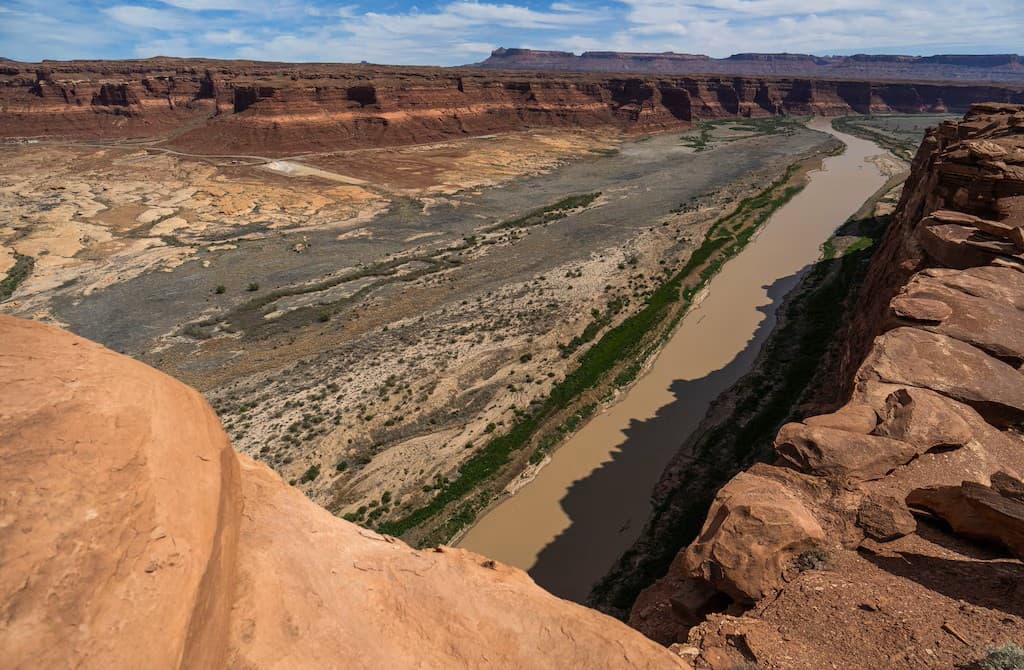
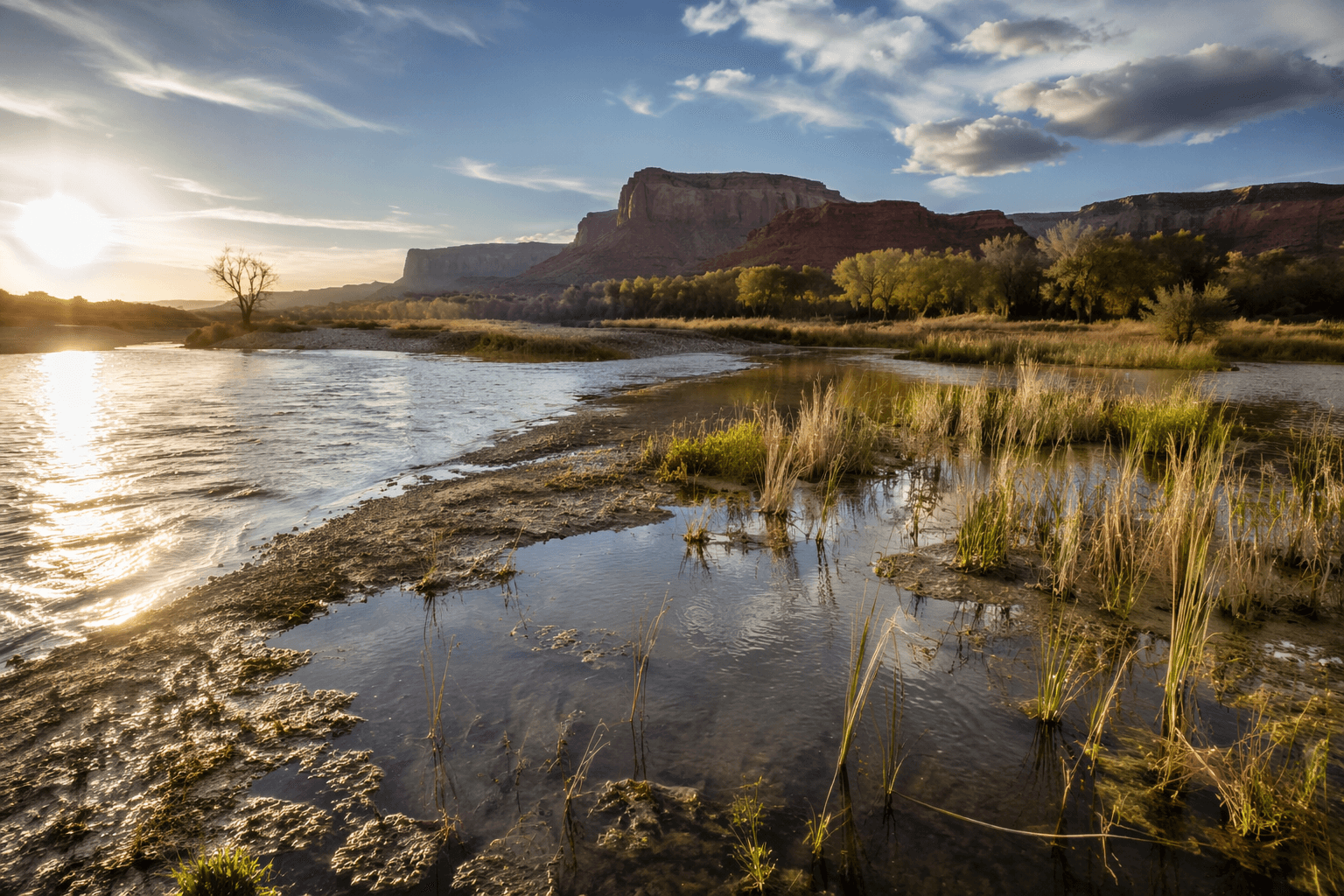
The most visible payoff from Utah’s thawed drought money may come where the visitor traffic already feels the strain: at the Scott and Norma Matheson Wetlands Preserve in Moab, where flood damage has kept the main visitor area closed and the wetland habitat remains tied to river conditions along the Colorado.
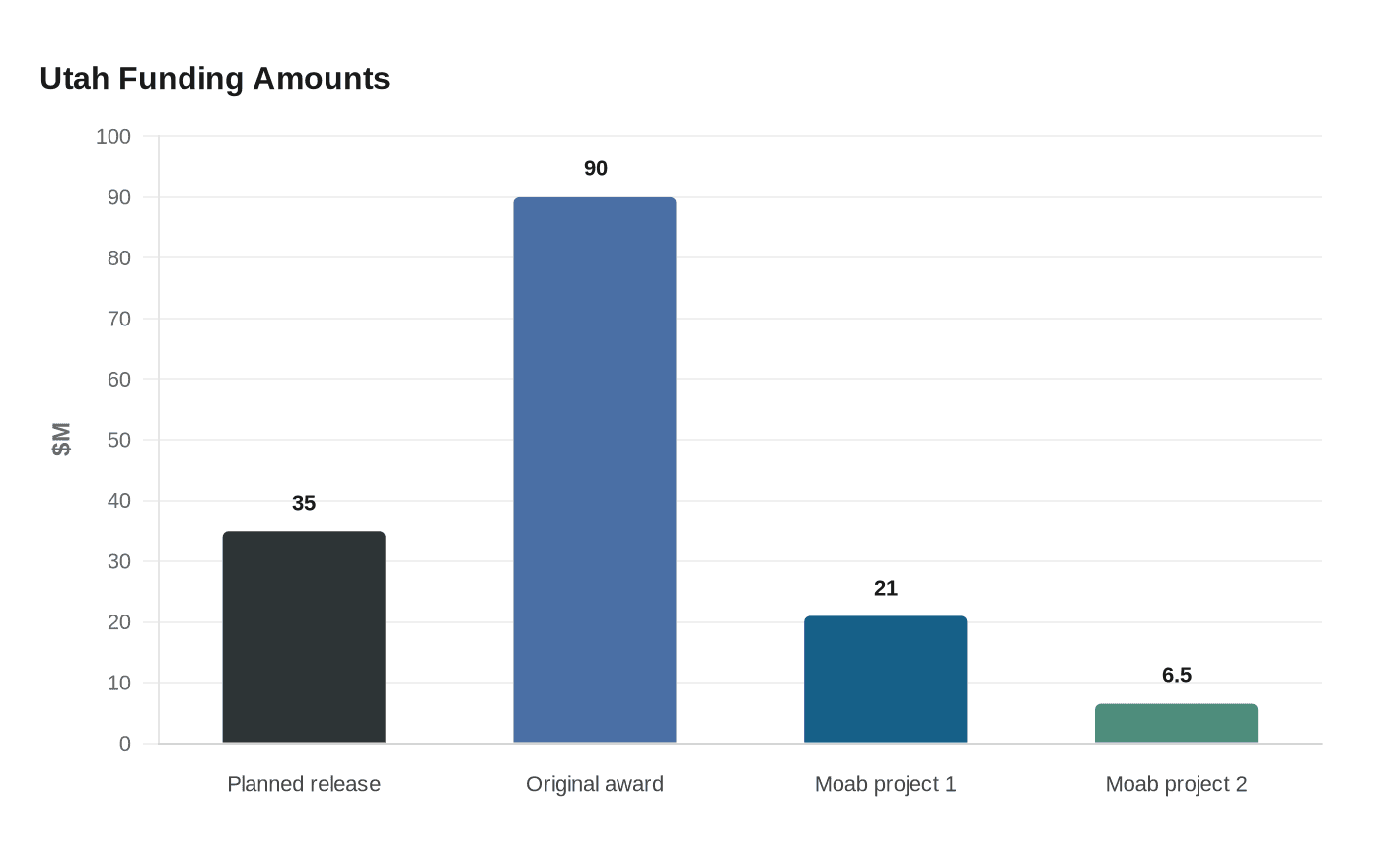
The Bureau of Reclamation planned to release about $35 million to Utah from Inflation Reduction Act drought funding after the money sat frozen for more than a year. The original Utah award had been set at $90 million for 11 projects, and the release puts some of that money back in motion for restoration work near Moab and along the Green River, where riverbanks, habitat, and water management shape the experience for everyone from birders to river runners.
Colorado River Authority of Utah director Amy Haas called the move a major relief. Even so, the money had not yet arrived with exact distribution timing or final award details, leaving it unclear how quickly any of the projects will affect access, water reliability, or the look of the landscape this season.
The Matheson Preserve is the clearest example of what is at stake. The Nature Conservancy describes it as a desert oasis home to more than 200 species of birds, amphibians, and mammals, and says the wetlands, once known as the Moab Sloughs, were purchased beginning in 1990 by The Nature Conservancy and the Utah Division of Wildlife Resources. Floods in August 2022 and June 2024 damaged the main visitor area and forced it closed, underscoring how quickly water swings can change what people can actually see and do there.

The funding also lines up with a pair of Moab wetland projects identified in early 2025. One received up to about $21 million for a tertiary wastewater treatment facility and wetlands restoration. Another could receive up to about $6.5 million for a river diversion and pump station. Moab City Council also approved support for a willing-seller water-rights acquisition for the preserve, calling it critical to the wetlands, the razorback sucker nursery, and the wider Colorado River ecosystem.
That recovery work matters because Utah Watershed Restoration Initiative materials describe the Matheson Wetland as the only off-channel wetland along the Colorado River in Utah, and identify the 64-mile reach between Moab and the Green River confluence as a priority for razorback sucker recovery. In other words, this is not just basin politics on paper. It is the machinery behind whether the river corridor near Moab can keep enough water, habitat, and resilience to matter when travelers arrive.
This article was produced by Prism’s automated news system from verified source data, official records, and press releases, then run through automated quality and moderation checks before publishing. The system is built and supervised by the people who set the standards it runs under. Read our full AI policy.
Know something we missed? Have a correction or additional information?
Submit a Tip