Grand Canyon’s North Rim reopens for 2026 summer season
The North Rim is open again, but the comeback comes with limits: trail restrictions, fire rules, tight parking and no North Rim lodging this season.
The North Rim is back on the board for summer access, giving travelers a return to the Grand Canyon’s cooler, quieter high country after the 2025 Dragon Bravo Fire shut it down for the rest of last season. Grand Canyon National Park reopened the North Rim on May 21, with overlooks, trails and visitor services available again, but the reopening is a managed one, not a full reset to pre-fire operations.
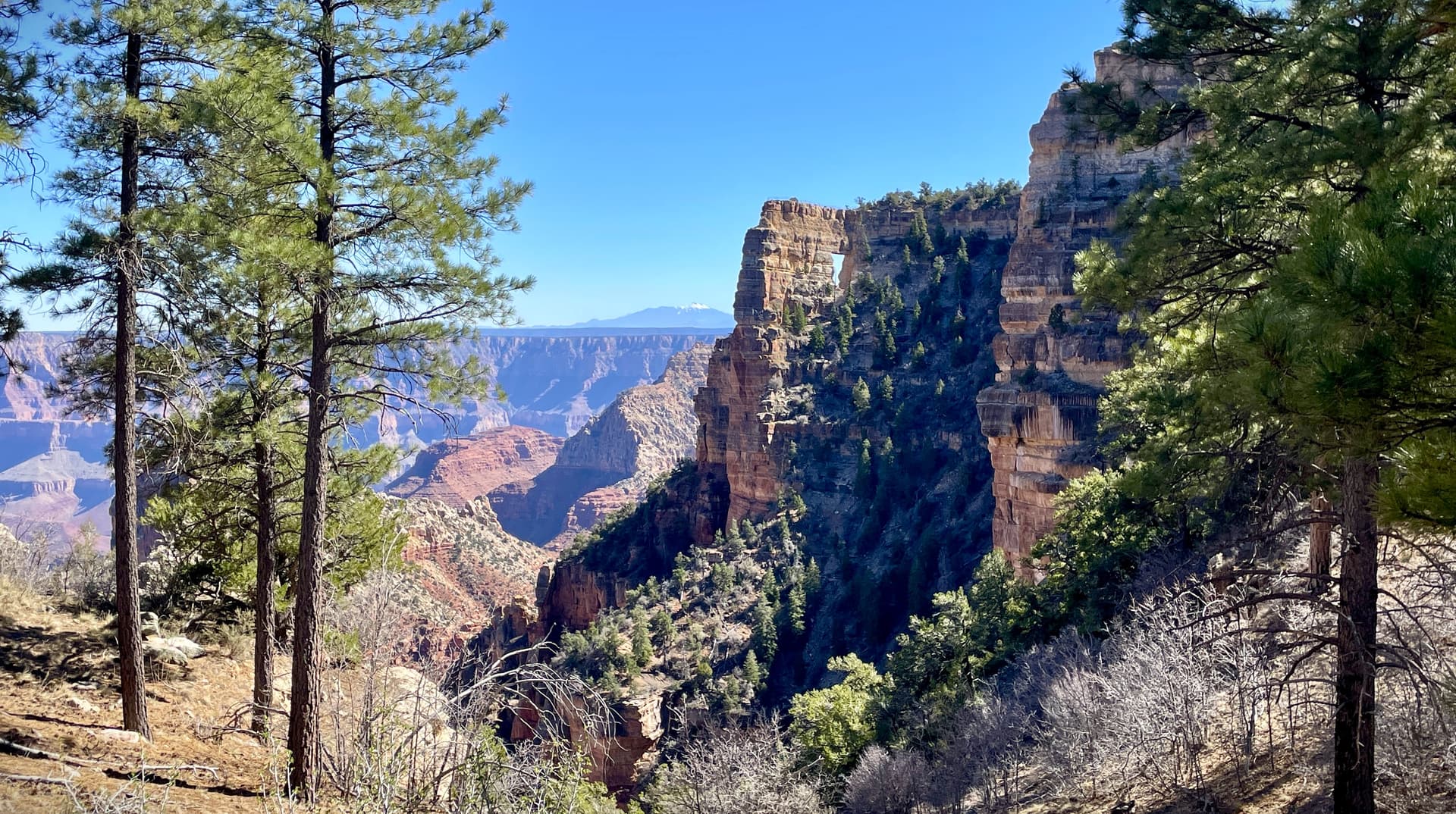
The practical picture starts on the roads. All paved roadways within the North Rim are open, including Highway 67, Cape Royal Road and Point Imperial Road, restoring access to Point Imperial, Cape Royal, Roosevelt Point, Walhalla Overlook and Angels Window. Even so, the park is still enforcing vehicle limits: anything over 22 feet is not allowed on Cape Royal and Point Imperial Roads, and North Kaibab Trailhead parking is limited to vehicles under 22 feet. Overflow parking is available near the former Grand Canyon Lodge site.
On the trail side, the North Kaibab Trail reopened May 15 for foot traffic only, while stock use remains suspended for the season. Cottonwood Campground also reopened May 15, giving hikers an overnight option again, while the North Rim Campground was expected to reopen in June for tent and RV camping without hookups. Overnight lodging will not be available on the North Rim this season, so visitors need to look outside the park for rooms. Stage 2 fire restrictions began May 15 and are set to remain in place throughout the season, with the park telling campers to bring their own potable water.
The recovery is still shaped by fire risk. Grand Canyon National Park warned that burned landscapes can bring flash flooding, debris flows, rock falls, erosion and falling trees, especially during monsoon storms. To reduce that threat, the park expanded flash-flood monitoring in the Bright Angel Creek watershed with the U.S. Geological Survey, adding new stream and precipitation gauges and stronger visitor notification systems. Trail maintenance and rehabilitation are also expected to continue through 2026, so closures or delays can still appear without much notice.
For hikers and scenic drivers, the North Rim remains what makes it different: it sits around 8,000 feet on average, compared with the South Rim’s roughly 7,000, and its mixed-conifer forest exists only here, between about 8,200 and 9,200 feet. That high-country setting is exactly why the reopening matters now. After the fire expanded by 500 acres in one night on July 12, 2025, and ultimately destroyed the Grand Canyon Lodge complex, the 2026 season brings access back, but only on terms shaped by the burn scar, the roads, and the realities of a full recovery still in progress.
This article was produced by Prism’s automated news system from verified source data, official records, and press releases, then run through automated quality and moderation checks before publishing. The system is built and supervised by the people who set the standards it runs under. Read our full AI policy.
Did this article answer your question?