Grand County expands adaptive access to Moab’s iconic singletrack trails
Grand County has already opened more than 50 miles for adaptive riders, and the next changes could reshape how Moab's singletrack works for e-bikes too.
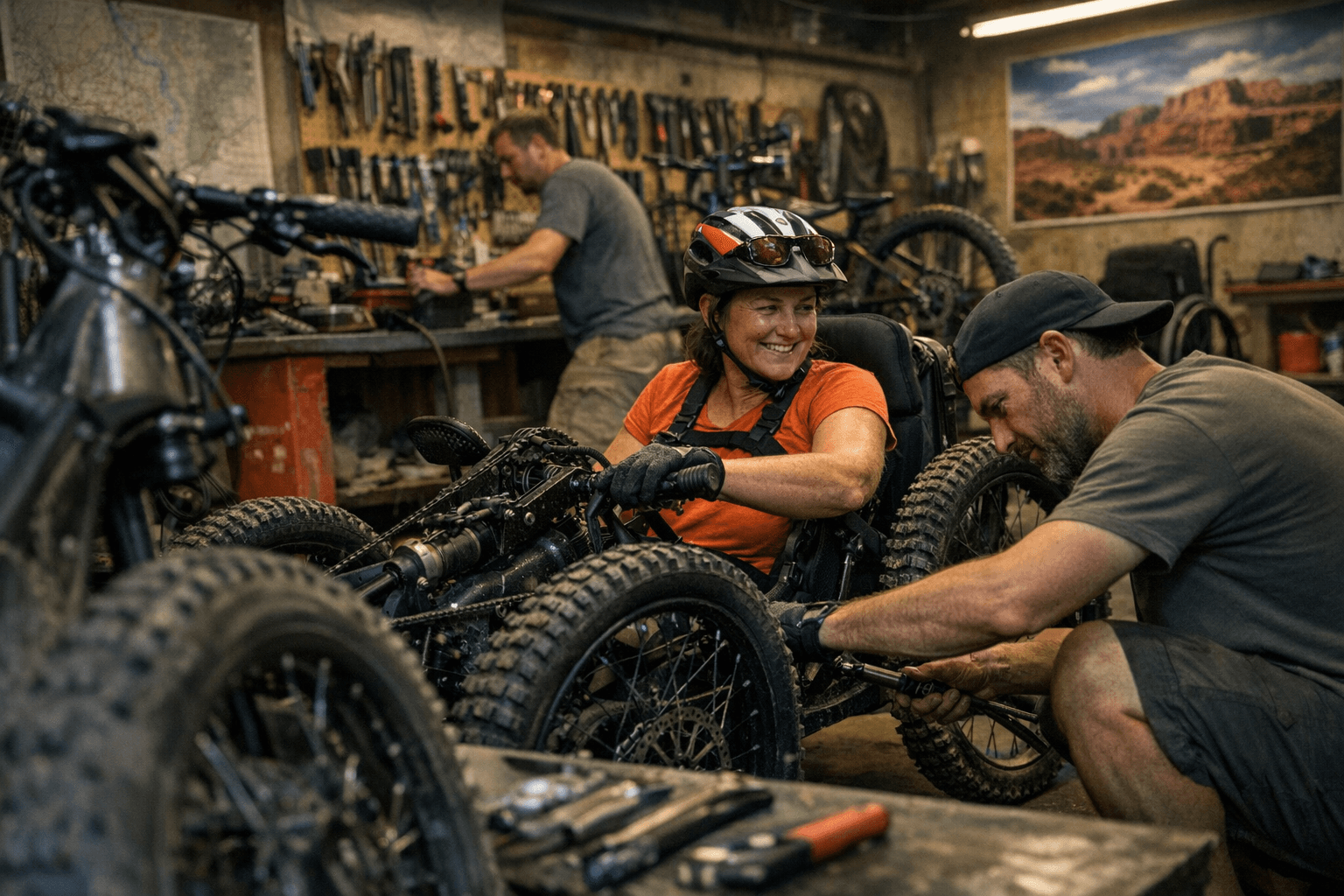
Grand County is widening access to Moab’s singletrack one trail system at a time, starting with riders who need the most from the map before they ever leave the trailhead. More than 50 miles in Grand County have already been made rideable for adaptive cyclists, and the first intentional work began in 2023 at Miner’s Loop in Klondike Bluffs.
That effort is now moving into the Horsethief and Klondike systems, where trail crews and partners are looking at route modifications, better trailheads and more detailed trail data. For adaptive riders, that data is not a nice extra. Greg Durso, who was paralyzed from the mid-back down in a 2009 sledding accident and now rides a three-wheeled hand-crank bike, has described how trail width, side slope and obstacle size can make the difference between a ride and a dead end.
The Horsethief area has become especially important because the nearby Horsethief group campground is ADA-compliant, giving the project a practical base for riders who need a more predictable arrival point. Grand County and the Bureau of Land Management Moab Field Office have both pointed to the same reality: if riders cannot tell whether a trail will work for them until they are already at the trailhead, the region is still only partially accessible.
The scale of the system explains why the changes matter. Grand County says it maintains more than 150 miles of non-motorized singletrack it has constructed. The BLM says the Moab Field Office manages 1.8 million acres of public land around Moab, with more than 197 miles of mountain bike trails spread across 12 trail systems. On the BLM’s Moab mountain bike page, the area is described as having more than 120 miles of singletrack, underscoring how many different trail networks feed into the same destination.
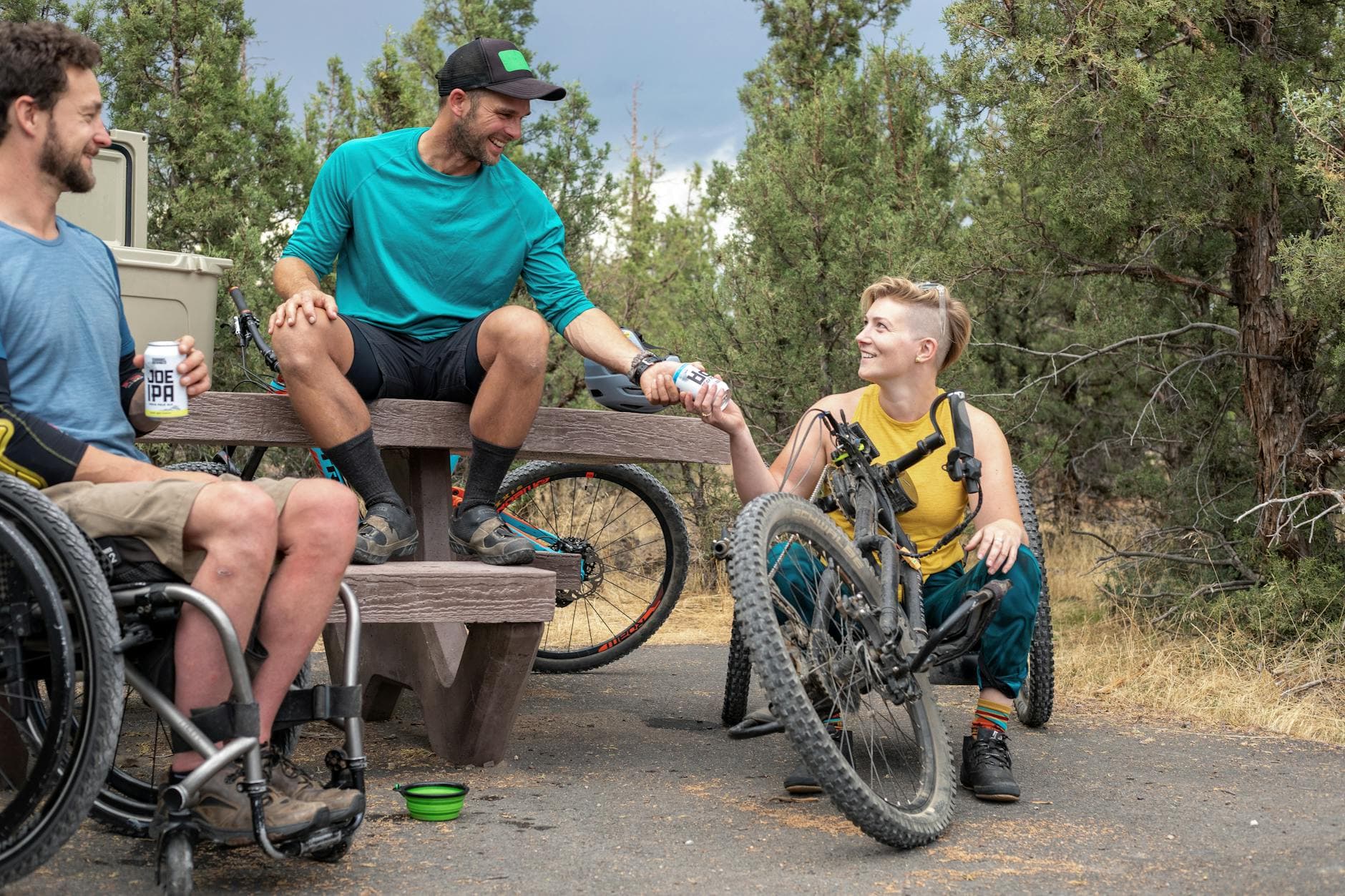
Access is also shifting for other riders. On March 1, 2026, the BLM Moab Field Office opened seven trail systems and 12 additional trails to Class 1 e-bikes, a change that puts motor-assisted access into the same landscape where adaptive access is expanding. That makes the current redesign less about one user group and more about sorting out which trails can absorb more traffic without losing the technical feel that made Moab famous in the first place.
The county’s trail planning is part of a broader active-transportation strategy, not just a recreation project. Its Non-Motorized Trails Master Plan update, a joint effort with the City of Moab, is meant to help Moab function as a place where people can recreate, shop and commute without a car. Grand County also says it scouts trail systems weekly in winter and spring to keep current trail-condition information flowing, a reminder that in Moab, access is now as much about information as it is about dirt.
This article was produced by Prism’s automated news system from verified source data, official records, and press releases, then run through automated quality and moderation checks before publishing. The system is built and supervised by the people who set the standards it runs under. Read our full AI policy.
Did this article answer your question?