Grand County trail updates guide Moab riders through changing conditions
Grand County’s trail page is the Moab shoulder-season shortcut, showing what’s open, what’s protected, and where to ride instead of wasting a drive.
The check that changes the whole outing
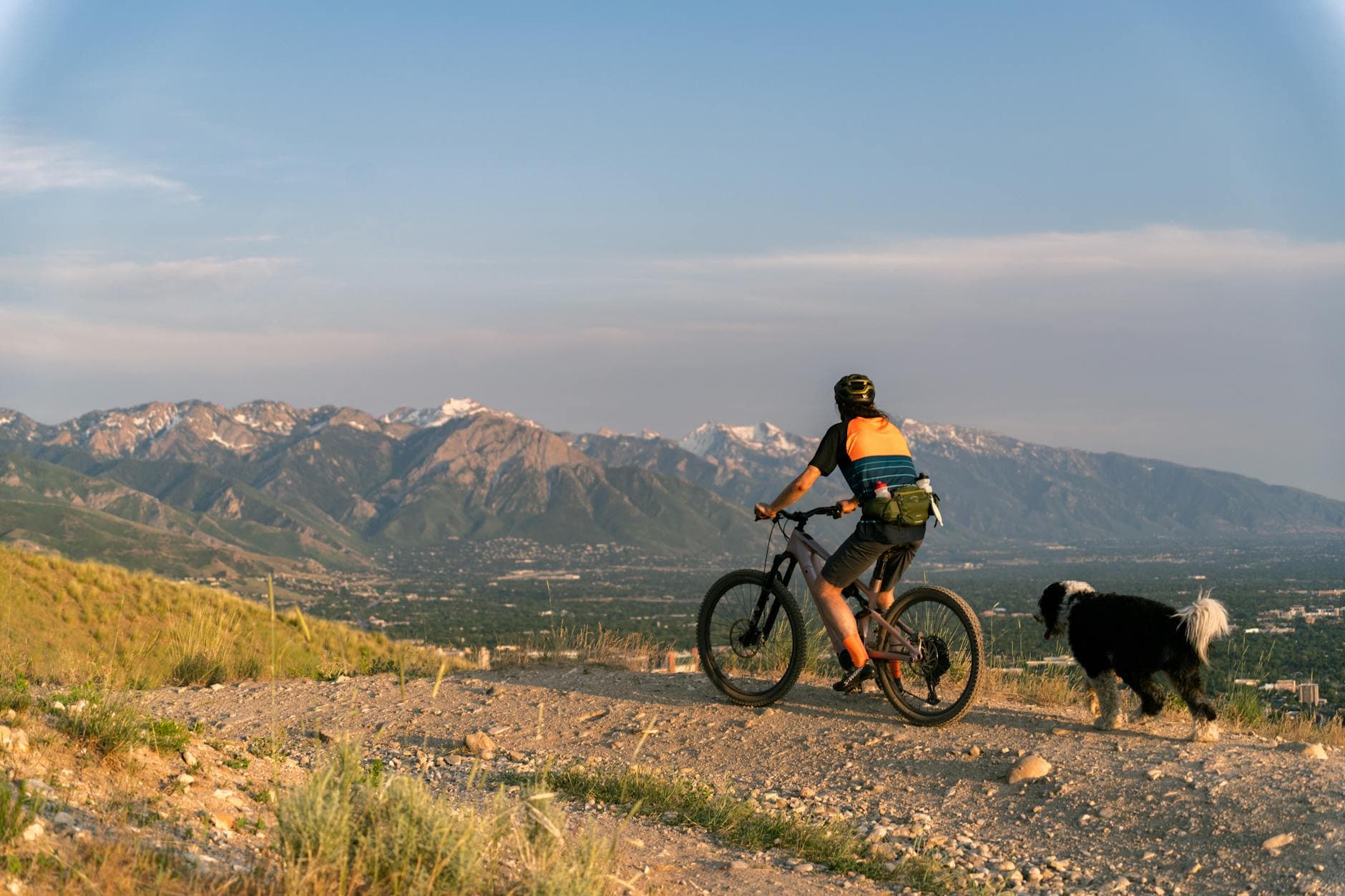
A muddy trail in Moab can ruin a day before the first pedal stroke. Grand County’s Trail Conditions page is built for exactly that moment, giving riders and hikers a quick read on what is actually rideable, what is still soft, and what should be left alone until the ground firms up.
The county says its Trails Department scouts trail systems weekly throughout winter and spring, which makes the page more than a static notice board. It is a live planning tool for the shoulder season, when a warm afternoon can tempt people into a bad call and a cold snap or storm can turn a favorite route into a mess overnight.
What to watch before you leave town
The most useful signals on the page are the ones that tell you not just where to go, but where not to go. The county points users to a Winter Ride Guide and to winter route ideas, a clear hint that some of the best decisions in Moab come from switching plans instead of forcing them.
Keep an eye on four things before you roll out:
- trail softness after rain or snowmelt
- seasonal closures tied to wildlife protection
- whether construction is paused during spring opening windows
- the county’s updated alternative route suggestions
That matters because Moab trail conditions can change fast, and the page is meant to steer people away from damaging routes before tires or boots make the wrong impression. In a place where mountain biking, hiking, and active transportation all overlap, a single day of poor judgment can leave a scar on the tread and waste a whole drive.
Mud Springs shows why the page matters
If you want the clearest example of why Grand County keeps this information front and center, look at the Mud Springs Trail System. The county says the system is the first in southeastern Utah to meet adaptive-cycle design requirements and allow Class 1 e-bikes, which makes it a big deal for riders who want a purpose-built option that does not exist everywhere in the region.
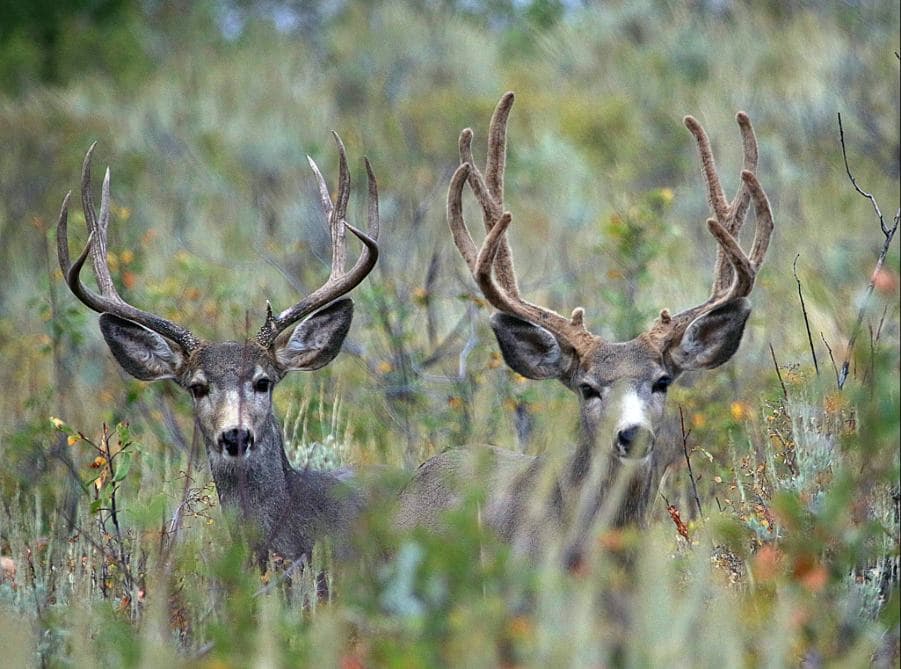
Mud Springs also shows how access and protection are being balanced on purpose. Grand County says the system is closed every year from November 15 through July 31 to protect deer and elk, and no construction takes place during the spring opening period so migrating birds are less disturbed. That means a trail can be physically close to ready and still be off the table, which is exactly the kind of detail a day-of planner needs.
The opening itself has been unfolding in phases. Grand County says Mud Springs will eventually offer 25 miles of new singletrack, with Phase 1 bringing about nine miles of purpose-built mountain bike trails and a scheduled spring 2026 opening. A Moab Times report added a more immediate picture last fall, saying about 6.5 miles of trail and the trailhead were available for a soft opening between Nov. 14 and Nov. 30, depending on weather, before the system closed again from Dec. 1 through April 15 and reopened April 16.
That is the kind of update that can completely change a ride plan. If you had come to Moab chasing the soft opening after Nov. 30, the county information would have saved you from a closed gate, an empty trailhead, and a second drive somewhere else. It is a small example, but it captures the point of the whole page: know the window, or miss the ride.
How the county keeps access responsible
Grand County’s trail updates are not only about opening more terrain. They are also about showing which corridors are being protected, which are still under preparation, and which should wait for the right season. That approach matches the county’s broader Active Transportation and Trails division, which says it runs a Trail Ambassador Program to educate both non-motorized and motorized users on responsible recreation practices.
That stewardship mindset is easy to miss if you only look for the next famous line on a map. It is built into the county’s messaging around Mud Springs, in the seasonal closure dates, and in the spring construction pause meant to reduce disturbance to birds. It also fits a community that already has a bicycle culture strong enough for Moab and Grand County to be designated as a Bicycle Friendly Community.
There is history behind that, too. Moab City adopted the Grand County Non-motorized Trail Master Plan in 2011, and the current trail updates sit inside that longer planning effort. The result is a trail scene that is not just expanding, but trying to do it with enough structure that local wildlife, seasonal trail health, and shared-use etiquette all have a place.
Where to get the live read
The county makes the page easy to follow in the moment by pointing users to @moabtrailmix on Instagram and Facebook. That social layer matters because conditions shift fast, and the people who are deciding whether to ride after work or head out on a spring weekend need the kind of update they can check quickly, on the fly, and again before they leave town.
In the end, Grand County’s trail conditions page works because it solves a very Moab problem: the best ride is not always the most famous route, it is the one that is actually ready today. In shoulder season, that difference is the line between a good day on dirt and a wasted drive into mud, closures, or a trail system that still needs time to breathe.
This article was produced by Prism’s automated news system from verified source data, official records, and press releases, then run through automated quality and moderation checks before publishing. The system is built and supervised by the people who set the standards it runs under. Read our full AI policy.
Did this article answer your question?