Utah boaters face mussel course, AIS fee rules before launch season
One missed course or AIS fee can stall a launch at the ramp, and Lake Powell dry-time rules can wipe out a whole multi-lake weekend.
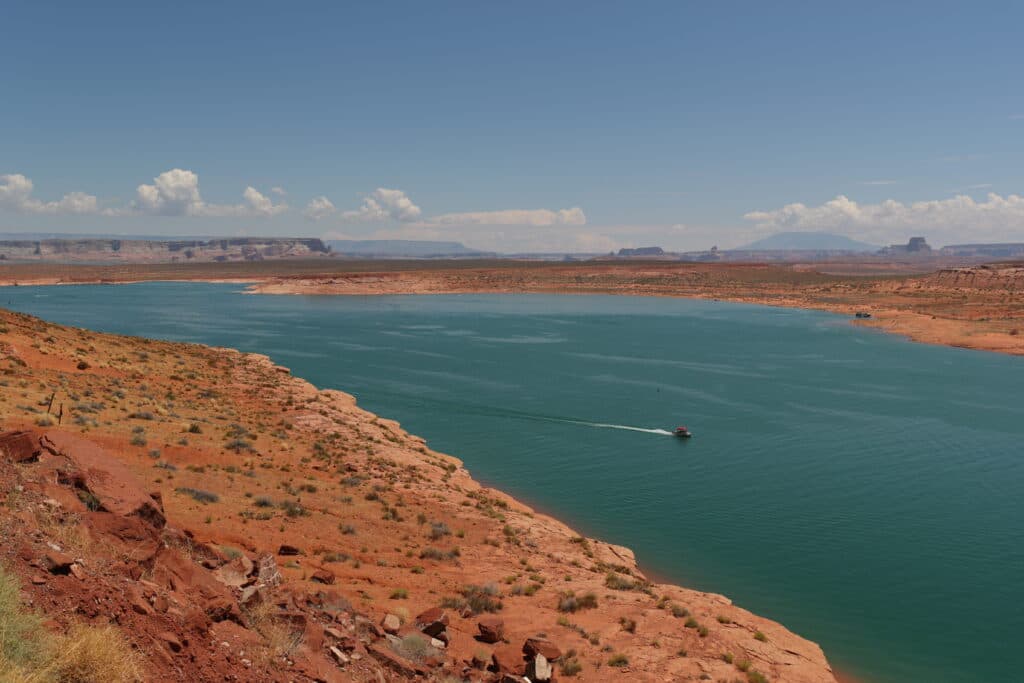
Pull into Bullfrog Marina with the wrong paperwork and the day can fall apart before the trailer even backs down the ramp. Utah’s launch-season reality is simple: if you want to boat here, you need to clear the annual mussel-aware course, pay the right AIS fee if your vessel is motorized, and respect the Lake Powell dry-time clock that can force you to sit out for days.
The first gate is the annual course
Utah still requires the annual mussel-aware boater course before AIS vessel enrollment can be completed. That matters because the state does not treat the course as a box to check later. It is the step that unlocks the enrollment fee, and without it, motorized boaters do not get their current-year AIS decal.
The fee is $20 for Utah residents and $25 for nonresidents. Utah also no longer accepts AIS payment as part of vehicle registration through the Division of Motor Vehicles, so this is no longer something you can bury in your normal registration process and forget about. The payment is handled through the Division of Wildlife Resources now, which means your launch prep has one more separate stop on the calendar.
The rule reaches farther than a lot of casual paddlers expect. Utah says the annual course applies to all boaters, including users of kayaks, canoes, and paddleboards. Non-motorized vessels are not subject to the AIS enrollment fee, but they still have to self-certify that the craft is clean, drained, and dried before launch.
Lake Powell is still the place that changes the math
Lake Powell remains the biggest compliance issue in Utah because it is currently the only Utah waterbody with confirmed quagga mussels. Utah says the mussels were confirmed there in 2012, and a separate annual report describes them as found in 2013, but the practical reality is the same: Lake Powell is the state’s primary mussel-risk water.
If you leave Lake Powell, you need an exit inspection during inspection-station operating hours. That inspection is not the same thing as professional decontamination, and that distinction is where a lot of trip plans fall apart. An exit inspection may get you through the day, but if you want to launch again sooner than the dry-time rules allow, you need a full professional decontamination.
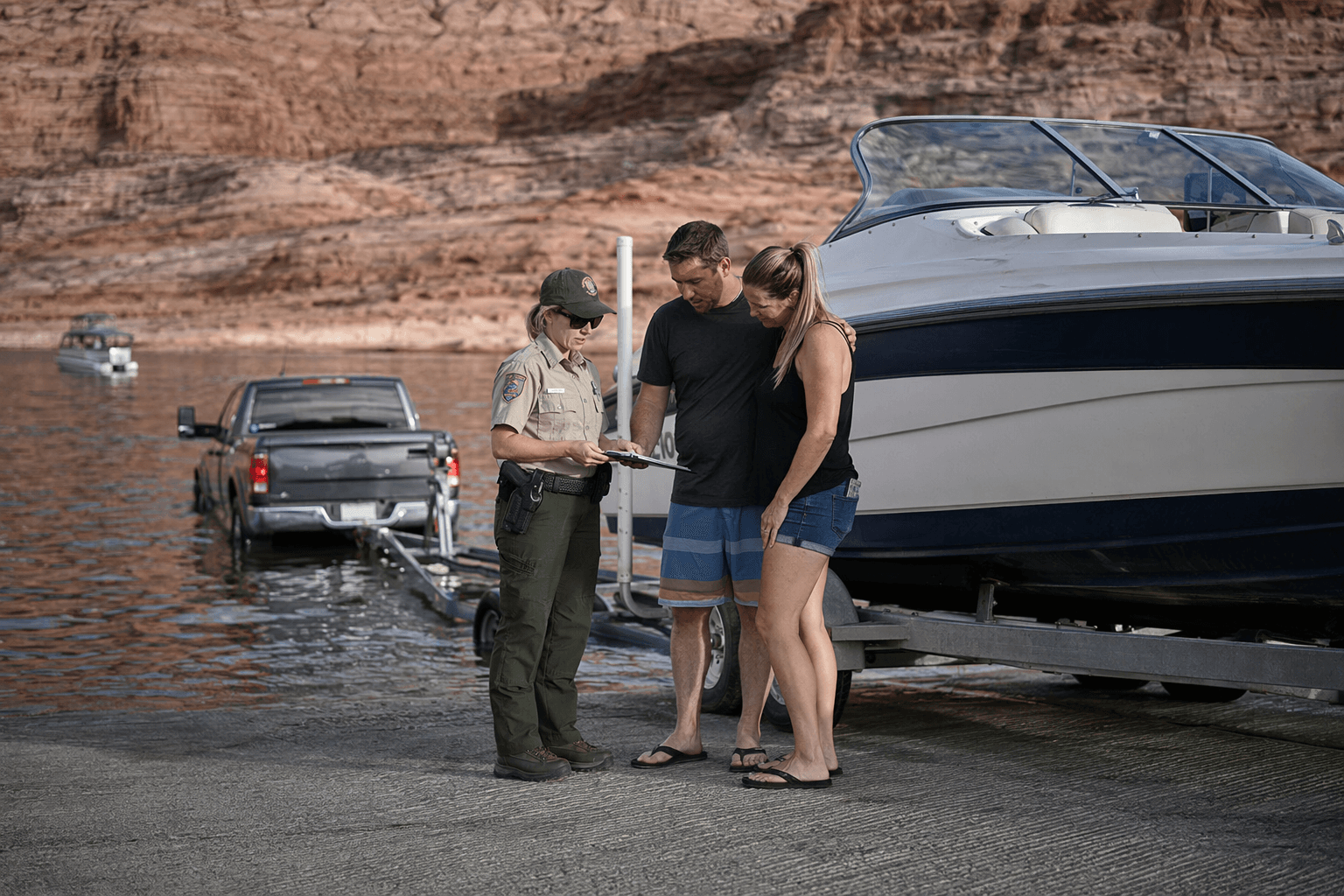
That difference matters especially on multi-lake itineraries. If your weekend starts at Lake Powell and ends at another Utah lake or reservoir, the boat you pull out on Friday may not be ready for another waterbody by Saturday unless it is decontaminated. Utah has also discontinued the Lake Powell-Bullfrog Local Boater Program, so local users no longer get a separate carve-out from the annual course, fee, and decontamination rules.
Dry time is the real trip-killer
The dry-time rules after Lake Powell are what turn a fun weekend into a calendar problem. In summer, Utah requires seven days of dry time after boating at Lake Powell. In spring and fall, that jumps to 18 days. In winter, it is 30 days.
Some boats get even tougher treatment. Complex boats with ballast tanks, live wells, inboard/outboard motors, generators, or other raw-water systems need 30 days of dry time regardless of season unless they are professionally decontaminated. Wakeboard and ski boats with ballast tanks or bags also need 30 days or a professional decontamination.
That is the number to keep in your head if you bounce between places like Utah Lake State Park, Sand Hollow State Park, Jordanelle State Park, or Gunlock State Park. A boat that touches Lake Powell and then gets dragged to another launch without satisfying the dry-time rule can cost you the second trip before it starts.
What inspectors actually look for
Utah’s inspection system is built to stop spread before the next launch, and the practical checks are basic but unforgiving. Drain plugs must be removed when leaving a waterbody and during transport. Boaters are also expected to stop at operating inspection stations, where technicians may issue a receipt and a seal.
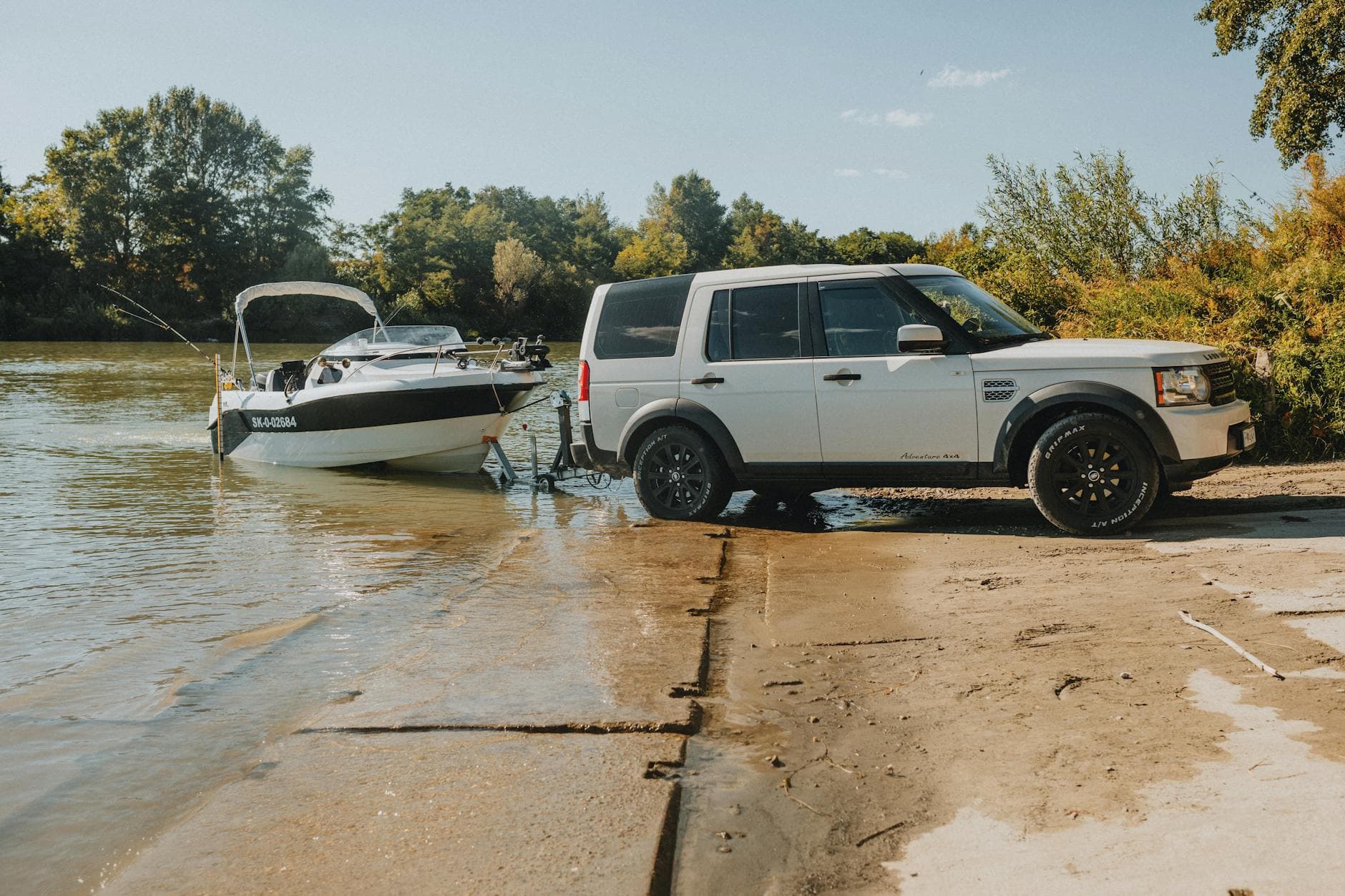
Some stations can also provide on-site hot-water decontamination, depending on staffing and traffic. That is useful when the ramp is busy or when your route changes and you realize too late that your boat needs more than a simple inspection. It also explains why planning ahead matters: some marinas and parks, including Gunlock, may not have decontamination facilities for boats coming from Lake Powell or other contaminated waters.
If you do get a decontamination, keep the proof with you. Utah’s guidance also points boaters to carry the clean blue tag when required, because that little piece of documentation can be the difference between making a launch window and sitting in the parking lot while everyone else gets on the water.
Why Utah keeps tightening the screws
The current system did not appear out of nowhere. Utah began boat inspections after quagga mussels were detected in Lake Mead in 2007 and 2008, then expanded the program after mussels were confirmed in Lake Powell. State legislative materials say Utah and its partners have spent millions of dollars on aquatic invasive species work to keep the mussels from spreading.
The scale of the effort shows up in the numbers. Utah reported 288,554 boat inspections and 6,509 decontaminations statewide since Jan. 1, 2025. In the Lake Powell area alone, officials said there were 51,337 inspections and 1,886 decontaminations in that same period. Over Labor Day weekend 2025, more than 11,000 boats were inspected, which tells you how quickly the system gets tested when the lake country fills up.
Utah also says there are more than 40 inspection stations statewide, which is another reminder that this is not a paperwork-only rule set. It is a real enforcement footprint spread across the places where people actually launch, tow, and reset for the next lake.
The bottom line is that Utah’s boating rules now work like a trip gate, not just a registration add-on. The course, the fee, the inspection, and the dry time all affect whether your boat hits the water this weekend or sits parked until the calendar says it is safe to go again.
This article was produced by Prism’s automated news system from verified source data, official records, and press releases, then run through automated quality and moderation checks before publishing. The system is built and supervised by the people who set the standards it runs under. Read our full AI policy.
Did this article answer your question?