Utah backs Lake Powell rescue release as drought pressure deepens
Lake Powell’s rescue release is now moving water from Flaming Gorge, a sign that Four Corners boat ramps, marinas and trip plans could stay on edge all season.
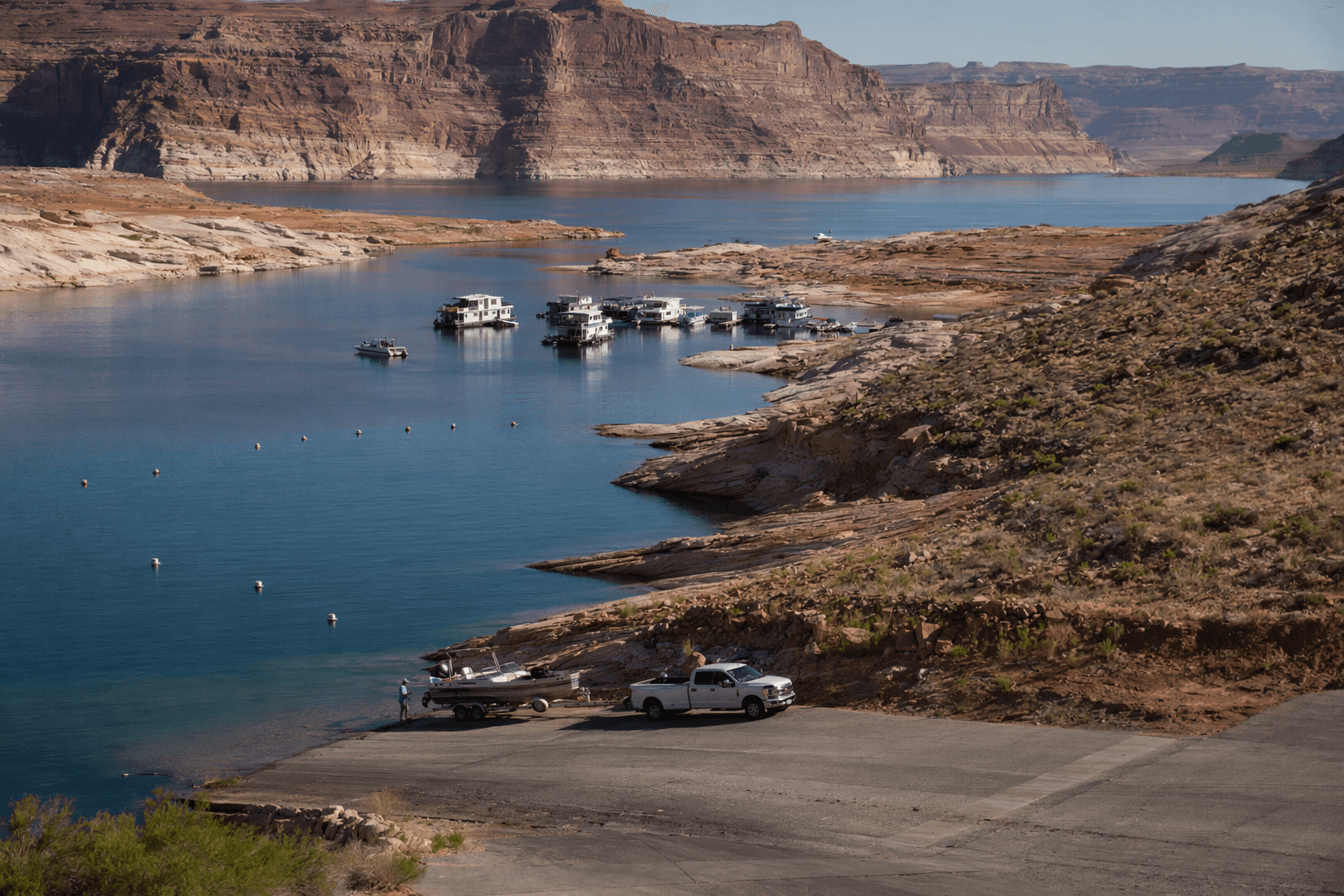
Lake Powell’s buffer is shrinking fast enough that Utah and its Upper Basin partners backed an emergency release from Flaming Gorge, a move aimed at keeping Glen Canyon Dam above critical water levels and avoiding a deeper access crisis for river travelers. The Upper Colorado River Commission approved the drought response agreement on April 21, and releases began April 23.
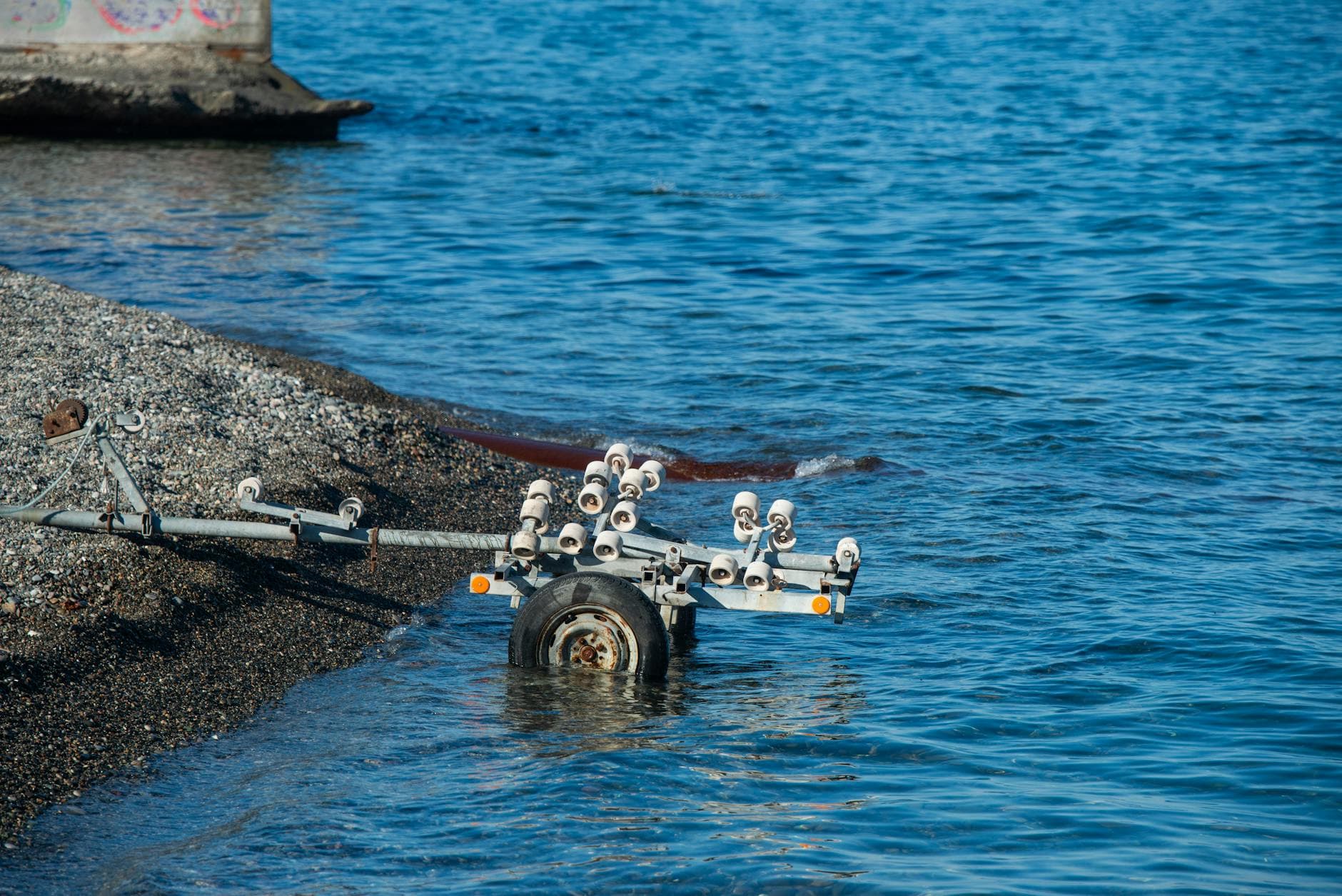
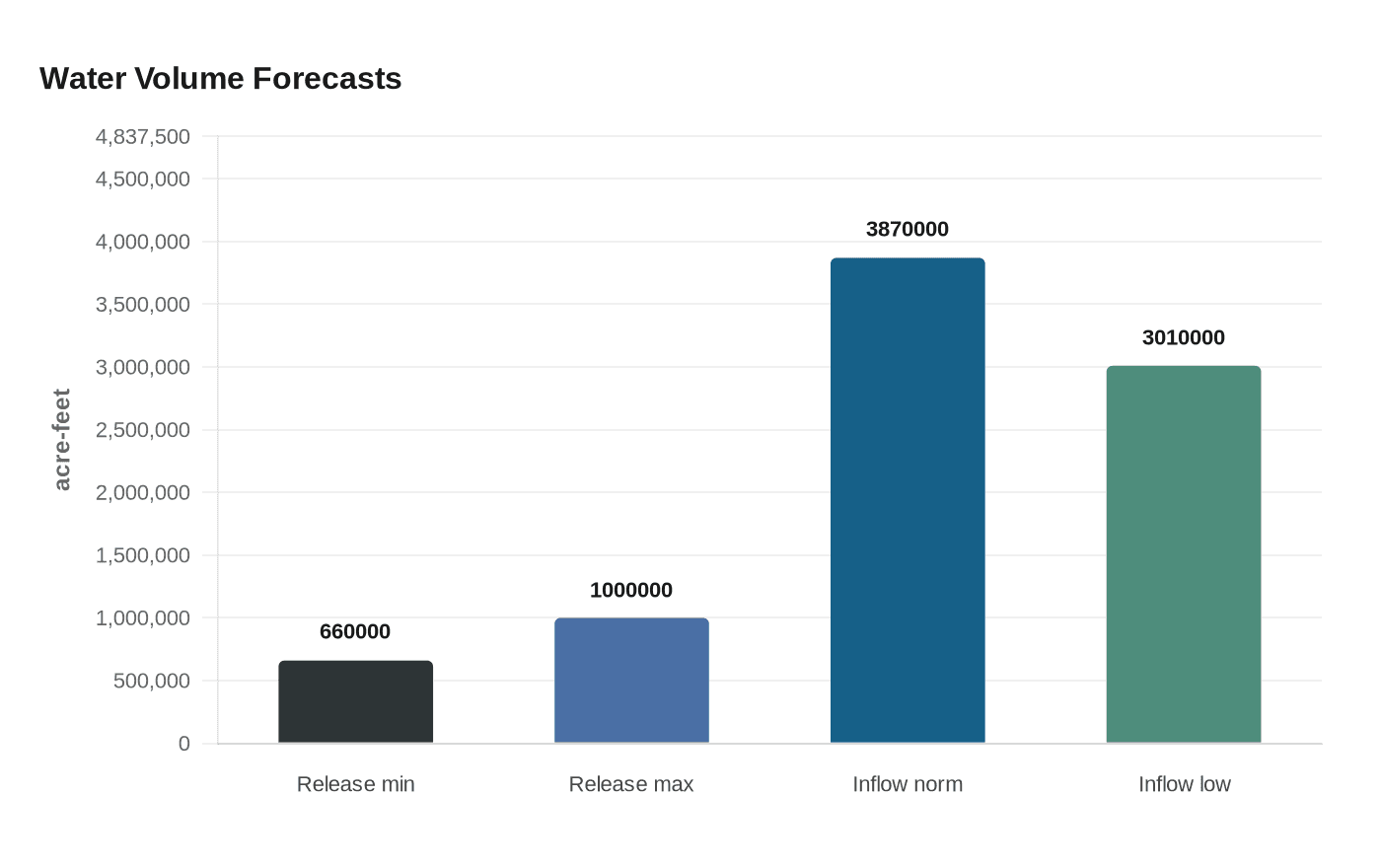
The plan authorizes between 660,000 acre-feet and 1 million acre-feet of water to move out of Flaming Gorge Reservoir over the next 12 months. Utah, Colorado, New Mexico and Wyoming signed off on the release, but the support was reluctant, a clear sign that managers are choosing among bad options as the basin runs short on margin. For anyone planning a boat trip, rafting run or fishing weekend, that matters as much as any policy headline: lower lake levels can change ramp access, crowd marinas and make reservoir conditions more unpredictable across the region.
Reclamation’s April modeling shows why the basin is reacting now. The most-probable 24-Month Study projects Lake Powell at 3,538.47 feet on January 1, 2026, about 162 feet below full pool and 48 feet above minimum power pool. In the probable-minimum case, the lake is projected to finish 2026 at 3,464.07 feet. Reclamation also says unregulated inflow to Lake Powell in water year 2026 is forecast at 3.87 million acre-feet, or 40% of average, with a probable-minimum inflow of 3.01 million acre-feet, or 31% of average.
That is the real story for the Four Corners outdoors crowd: the reservoir is no longer operating with much cushion. A bad runoff year could push Powell toward hydropower-generating trouble as soon as August, and that would ripple into boating patterns, shoreline access, fishing pressure and the way outfitters and weekend travelers choose where to launch. Conditions at Glen Canyon Dam and Lake Powell could keep shifting from one month to the next, making advance planning harder even for regulars who know the lake well.
The move also underscores how temporary this fix is. Reclamation says the Colorado River management documents and agreements now governing the system expire at the end of 2026, and the same drought-response playbook was already used in 2021 and 2022. With roughly 35 million to 40 million people depending on the river for at least part of their water, plus recreation, hydropower and habitat all riding on it, the Flaming Gorge release is less a solution than another pressure valve in a system running out of slack. Utah’s drought office says about 95% of the state’s water supply comes from snowpack, and it expects Colorado River inflows into Lake Powell to run at about 40% of normal this year.
This article was produced by Prism’s automated news system from verified source data, official records, and press releases, then run through automated quality and moderation checks before publishing. The system is built and supervised by the people who set the standards it runs under. Read our full AI policy.
Did this article answer your question?