Grand County water plan debate tests scope of local growth rules
Grand County’s first water-use plan became a fight over aquifers, growth and Moab’s future, with commissioners splitting over how broad the plan should be.
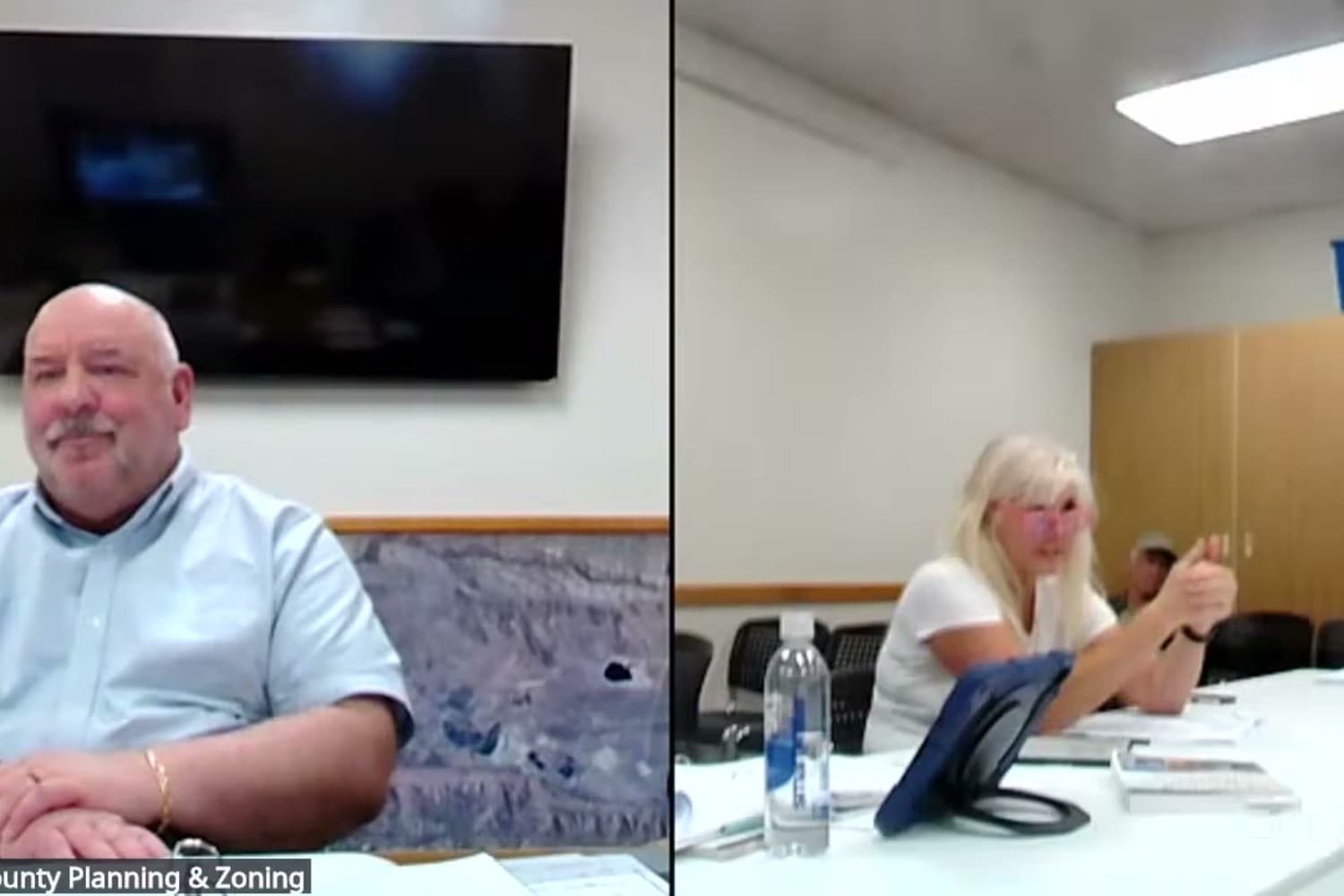
Grand County’s first water-use plan turned into a bigger argument about how Moab grows, who protects the aquifers, and how much room the county has left for recreation-driven development. The Planning Commission split over whether the draft should stay narrowly tied to water demand from new development or reach into source protection, climate and supply policy, issues that shape the valley’s long-term water security.
The draft Water Use and Preservation Element is not just another planning memo. State law required counties to add a water-use chapter to their general plans by December 31, 2025, and Grand County missed that deadline by about five months. Even though the element is described as non-regulatory, it is meant to steer future land-use decisions by explaining how development affects water demand and by giving elected officials a framework for what comes next.
The divide inside the commission was about scope. Brian Martinez, the commission’s liaison to the water agency, pushed to keep the document tightly focused on the state requirement and strip out what he saw as side issues such as source protection, climate change and supply policy. Randy Day backed that narrower approach and noted that the Planning Commission only makes recommendations, while the County Commission holds final adoption authority.
Robert “OB” O’Brien argued for a broader plan and said aquifer protection should be written into the county’s guidance, especially because the Glen Canyon aquifer supplies most of Moab’s drinking water and the Castle Valley aquifer serves several hundred residents outside town. That question reaches beyond hydrology. In a place where lodging, trail access and visitor services keep pressing outward, the county’s water language helps define how far recreation and residential development can spread before they collide with limited supply.
The commission settled on a middle path. Members decided to keep aquifer protection in the general plan as guidance for future best practices during an upcoming land-use code update, rather than making the plan regulatory. Staff were directed to fold in comments from the Grand Water and Sewer Service Agency, which supplies most of the valley’s culinary water, and return with a revised draft.
The hearing that had been expected for June 8 was later removed from the Planning Commission agenda, and no new hearing date had been set. For a county that missed its state deadline and is still sorting out how broad its first water plan should be, the pause leaves the same central question hanging over Moab’s growth: whether water planning will stay narrow, or finally match the scale of the pressure on the valley.
This article was produced by Prism’s automated news system from verified source data, official records, and press releases, then run through automated quality and moderation checks before publishing. The system is built and supervised by the people who set the standards it runs under. Read our full AI policy.
Know something we missed? Have a correction or additional information?
Submit a Tip