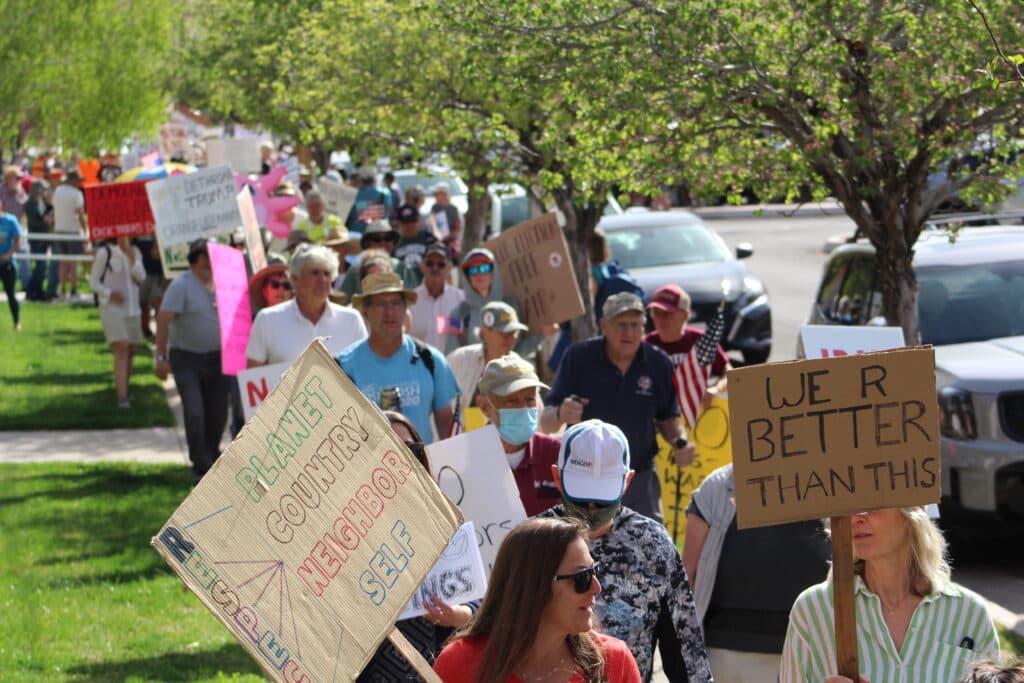
La Plata County Adopts Wildfire Resiliency Code, Raising Bar for New Construction
La Plata County's new wildfire code kicks in July 1 for cabin additions and ADUs, and a 50% cost-share rebate can offset the price of compliance.
Planning a new bunkhouse addition before the summer Jeep crowd arrives, or finally finishing that gear-storage ADU out back of your Durango-area cabin? As of July 1, 2026, those projects in La Plata County come with new rules attached. County commissioners voted March 17 to adopt Resolution 2026-09, formally folding the 2025 Colorado Wildfire Resiliency Code into county law under a statewide mandate that required all Colorado jurisdictions to act by April 1. La Plata County beat that deadline, and full enforcement launches July 1.
The trigger points matter most for the Four Corners basecamp crowd. The code is explicitly not a retrofit requirement, so nobody faces mandatory upgrades on an untouched existing structure. But any project adding 500 square feet or more to a building's footprint, or touching at least 25 percent of an exterior surface, now falls under code review. That threshold catches a wide range of property improvements: a deck rebuild on a short-term rental cabin, a new bunkroom added to an outfitter's base, or an accessory dwelling unit built for seasonal staff housing all clear that bar.
Material requirements scale with a property's fire intensity classification, mapped statewide as low, moderate, or high. At every tier, the code mandates Class A roofing, noncombustible gutters and siding, and ember-resistant attic and crawl space vents. In high-intensity zones, the list extends to tempered or fire-rated windows, enclosed eaves and soffits, and garage doors with gaps no larger than 1/8 inch. Decks anywhere in a WUI zone must use ignition-resistant or noncombustible materials.
Rob Farino, La Plata County's emergency management coordinator, described the county's model as a "carrot approach," using incentives and encouragement to drive compliance rather than punitive enforcement. La Plata County initially explored writing its own wildland-urban interface code before pivoting to the state's more flexible framework, which allows local customization. That pivot also reflects a practical constraint: the state provided no additional funding to counties for implementation, leaving the compliance burden on local budgets and property owners.
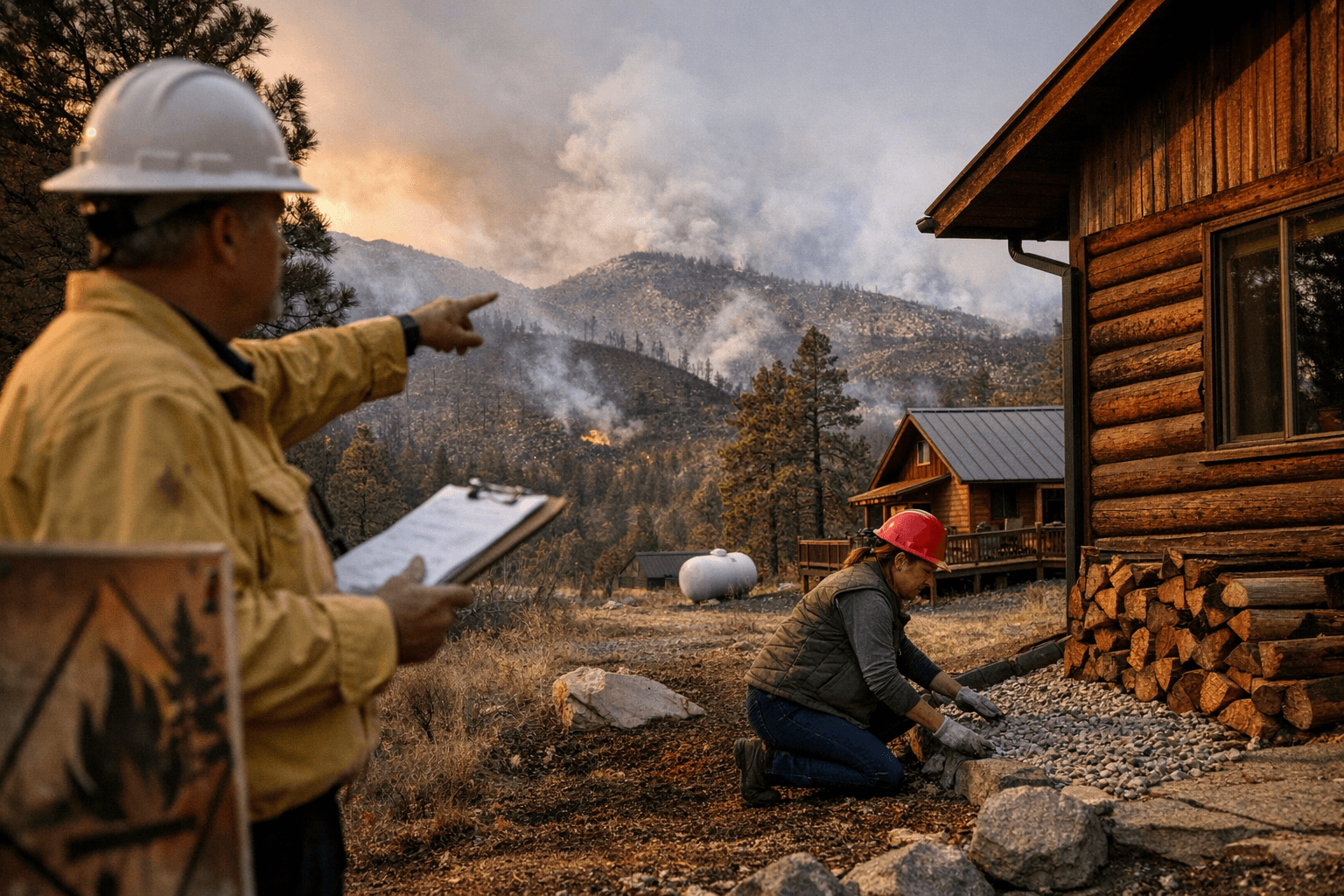
The financial offset worth knowing: the county's Wildfire Resource Center cost-share program reimburses landowners up to 50 percent of a mitigation project's cost, once they complete a free wildfire risk assessment and hire a licensed contractor to do the work. That program runs independently of the permit process but pairs directly with it for anyone planning a spring or summer build. Fire intensity mapping, assessment scheduling, and funding guides are available through the county's Wildfire Resource Center pages, and the building division answers project-specific permit questions at 970-382-6250.
For outfitters and hosts who keep basecamp properties running through fire season, the July 1 date is the line in the sand. Projects already in plan review before enforcement begins will be worth confirming with county staff, because the window between now and summer is shorter than most mountain building seasons.
Know something we missed? Have a correction or additional information?
Submit a Tip