Mesa Verde summer guide highlights hikes, cliff dwellings and reservations
Mesa Verde packs archaeology, short hikes and scenic drives into one Four Corners stop, but summer rewards early reservations and a careful heat plan.
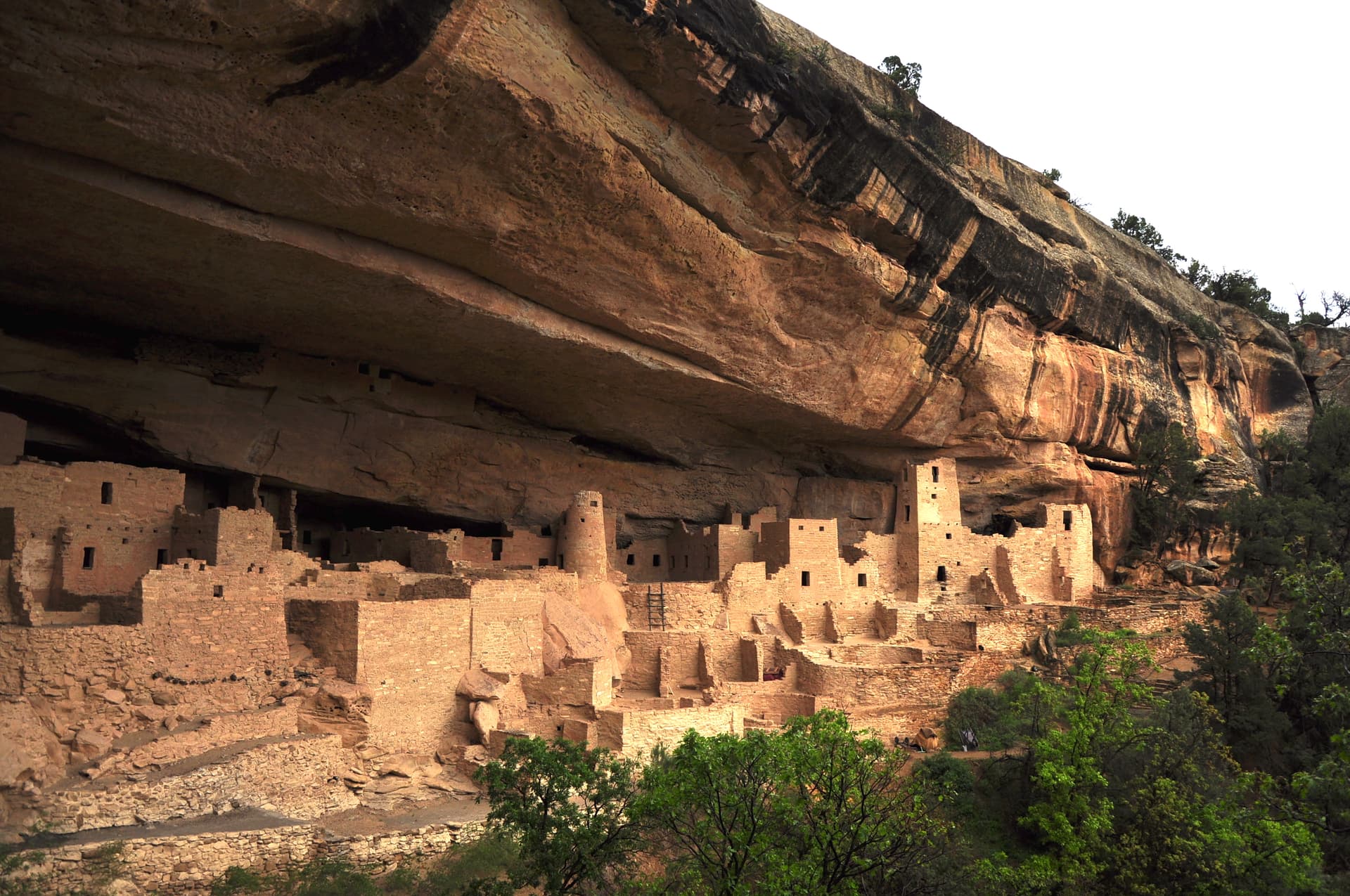
Mesa Verde is the kind of stop that can anchor a Four Corners road trip, but only if you treat it like a real day in the field instead of a quick pull-off. Summer brings the park’s highest visitation, the clearest access to cliff dwellings and mesa-top views, and the most demand for every ticketed tour and trail window. It also brings fast-changing weather, fierce sun, thunderstorms and the kind of heat that can turn a dream visit into a rushed parking-lot shuffle if you do not plan ahead.
Summer is the season, but it is not a simple sightseeing stop
The National Park Service frames Mesa Verde as a place where archaeology and scenery come with real logistics attached. That makes sense for a park established on June 29, 1906 by President Theodore Roosevelt to “preserve the works of man,” the first U.S. national park created specifically to protect cultural heritage. Today, Mesa Verde preserves nearly 5,000 known archaeological sites, with more than 4,700 sites documented and many more still undiscovered.
That scale is part of the reason summer visitors need a plan. The park’s history is not confined to one overlook or one short loop. You are choosing between self-guided viewpoints, ranger-led cliff dwelling access and longer mesa excursions, and each one asks something different of your time, your energy and your patience.
Reservations are the dividing line between seeing and entering
The biggest practical difference in Mesa Verde is simple: most people can look, but only some can go inside. Scheduled ranger tours are the only way to enter a cliff dwelling, and those tours require advance reservations. That is where the planning starts, because the ticketed dwellings are not interchangeable with roadside overlooks.
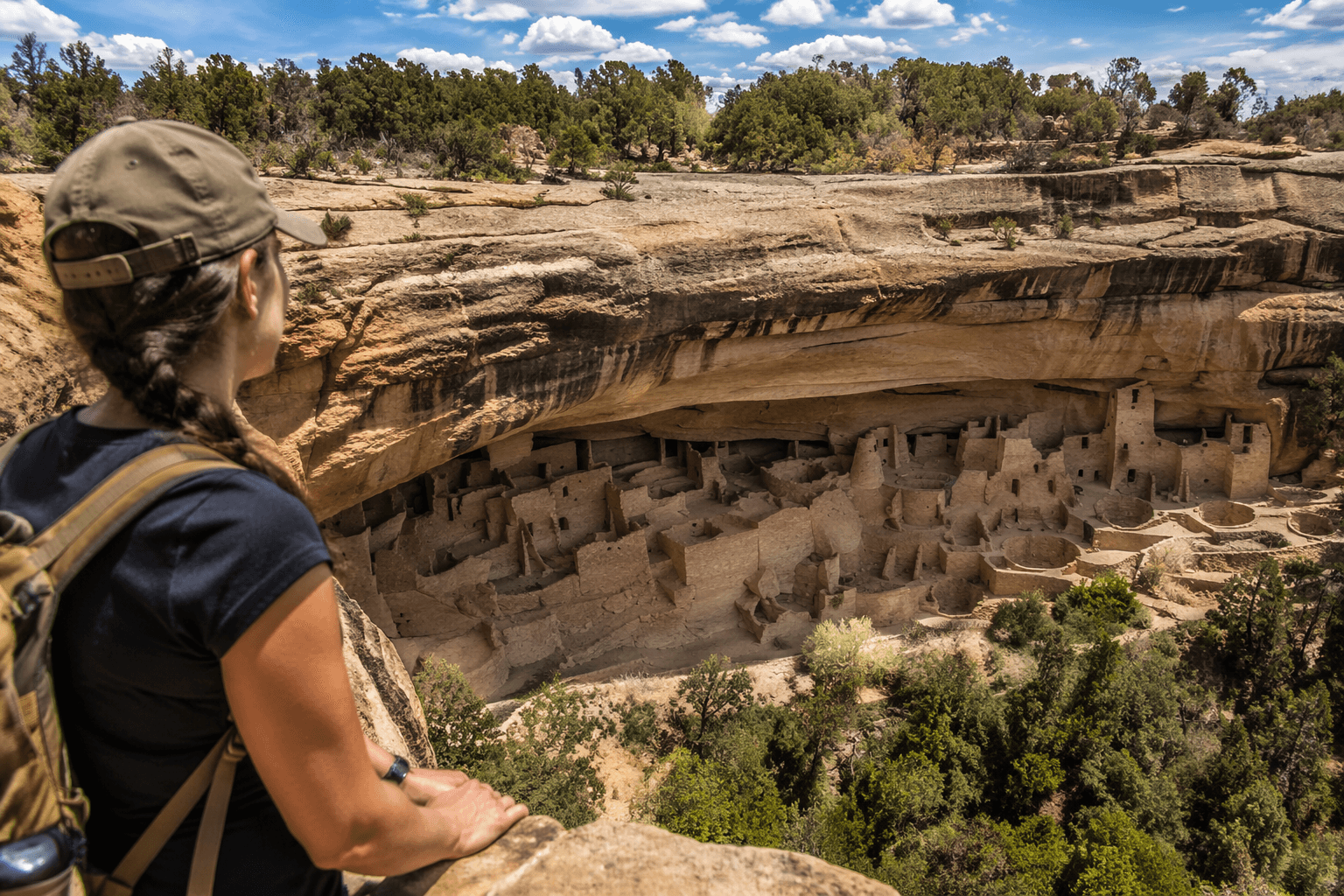
Cliff Palace is the park’s marquee example. The National Park Service describes it as North America’s largest cliff dwelling, with about 150 rooms and 21 to 23 kivas in official materials, and an estimated ancient population of about 100 people. It is the kind of place people come to Mesa Verde to see, but the access is controlled precisely because the site is fragile and irreplaceable.
The park also makes a sharp distinction between tour access and scenic access. Cliff Palace can be viewed from Cliff Palace Overlook and from Sun Temple without entering the dwelling, and Cliff Palace Loop Road and Cliff Palace Overlook are open from late spring to December 1, or until the first significant snowfall. That means you can still build a strong Mesa Verde stop even if you do not get a tour reservation, but you need to understand what kind of access you are booking.
Wetherill Mesa is the summer adventure, but it takes the whole day
If you want the park’s most adventure-forward summer option, Wetherill Mesa is the place to look. It is open daily from May 22 to October 21, 2026, with the entry gate opening at 8:30 a.m., last entry at 2:00 p.m. and all visitors required to exit by 4:00 p.m. Those hours are a clue to how the day works there: you are not dropping in casually between errands.
NPS says visiting any site, dwelling or overlook on Wetherill Mesa requires hiking or biking 1 to 6 miles, and none of the ancient mesa-top sites or alcove dwellings are visible from a vehicle. The landscape has no shade because of a 2000 fire, thunderstorms are common and water is limited on the trails. For travelers used to a scenic drive-and-photo stop, that is the key adjustment. Wetherill Mesa is still part of the park’s summer appeal, but it asks for footwear, water, stamina and an early start.
One important exception makes the area especially useful for mixed-itinerary travelers. Step House is the only self-guided cliff dwelling at Mesa Verde that may be visited without buying a ticket for a tour. Even there, the trail is open only when staffed by a ranger, and the route is a steep one-mile trail with a 100-foot descent and ascent. In other words, it is the park’s most accessible walk-in dwelling, but it is still a real hike.

Spruce Tree House shows how much access the park still manages carefully
Spruce Tree House is another place where the park’s preservation priorities are easy to see. It has been closed to visitors since 2015 because of rock-fall danger, but it remains viewable from overlooks behind the Chapin Mesa Museum and Park Headquarters area. The site is described as having 131 rooms, eight kivas and an estimated population of 60 to 80 people.
That setup says a lot about Mesa Verde as a destination. Even when a famous site is not open for entry, the park still finds a way to interpret it safely, and that matters for visitors building a day around archaeology rather than just scenery. You are not simply checking off landmarks here. You are seeing how the park balances access with conservation in real time.
How to structure a summer day without wasting it
The best Mesa Verde day is one that respects the heat, the crowds and the reservation system from the outset. The park’s summer guidance points travelers toward the idea that conditions change through the day, with rain storms, extreme heat and strong winds all possible. That means a smart itinerary is built around the earliest possible start, the most demanding hike or tour first, and the easiest overlooks after the sun and the crowds build.
A practical Mesa Verde summer approach looks like this:
- Book ranger tours early, especially if Cliff Palace is on your must-see list.
- If you want Wetherill Mesa, treat it as a half-day or full-day outing, not a quick side trip.
- Carry water and expect limited shade, especially on Wetherill Mesa.
- Use overlooks and loop roads for backup when you cannot get a tour reservation.
- Plan around weather shifts, not just daylight, because thunderstorms and strong winds can change the feel of the park fast.
That is the real value of Mesa Verde in a Four Corners itinerary. It gives you archaeology you can actually walk into, short hikes that feel like part of the story, and scenic driving that still leads somewhere meaningful. The catch is that the day only works if you move like a planner, not a passerby.
A park shaped by preservation and pressure
Mesa Verde’s summer experience is also shaped by the larger pressures on the landscape itself. Park climate-change materials say warming temperatures are driving larger, more intense wildfires, and that more than half the park has experienced wildfires in recent decades. That context helps explain why access is managed so tightly and why conditions on the ground can change from one season to the next.
So the trick with Mesa Verde is not to cram it in. It is to give it the day it asks for, reserve what needs reserving, and accept that the park’s best moments come when you leave room for the hike, the heat, the overlook and the history to unfold at their own pace.
This article was produced by Prism’s automated news system from verified source data, official records, and press releases, then run through automated quality and moderation checks before publishing. The system is built and supervised by the people who set the standards it runs under. Read our full AI policy.
Did this article answer your question?