Moab-area residents asked to help track river otters, marten
A river otter or pine marten photo from a Moab trail, riverbank or campsite could help fill one of Utah’s biggest wildlife blind spots. GPS pins matter most.
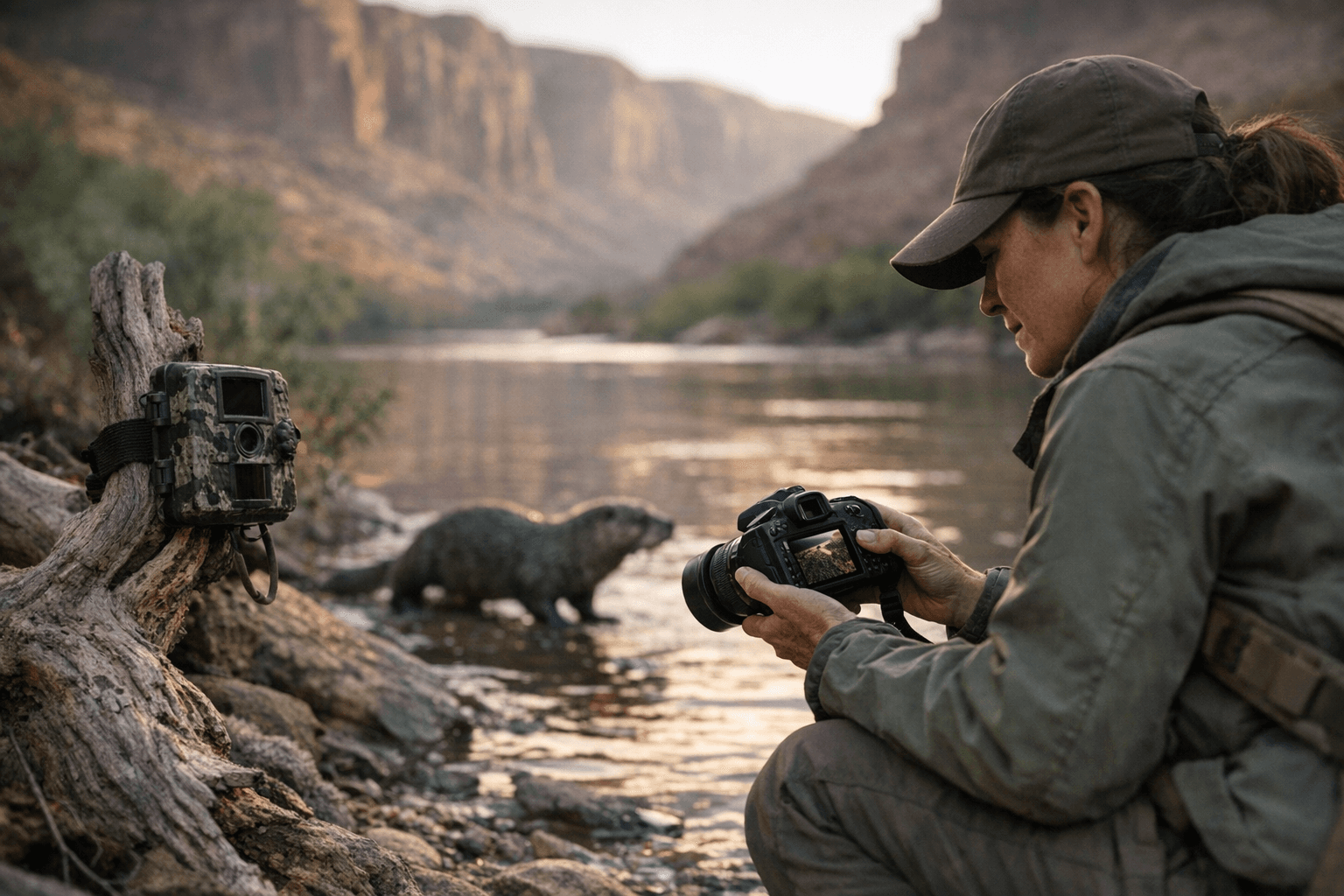
Along the same river corridors, campsites and backcountry pullouts where Moab visitors already spend their weekends, a photo of a river otter or pine marten had become valuable field data. Utah wildlife staff said they still had limited population information for both species in the region, and Utah State University Extension was asking hikers, paddlers and residents to help close the gap.
The effort leaned on more than just lucky sightings. USU Extension was placing game cameras and collecting water, hair and other samples to find where otters and marten were still holding on. Photos of either species, especially images tagged with GPS locations, were described as especially useful because they could pin a sighting to a specific drainage, canyon or stretch of habitat instead of a vague memory of “somewhere out on the river.”
That kind of detail mattered because river otters and marten can tell wildlife managers a lot about the health of a place. Otters point to water quality, fish habitat and intact riparian corridors. Marten signal the condition of surrounding forests and the connected habitat they need to move, feed and reproduce. In a recreation-heavy region like Grand County, those clues can help show where outdoor pressure, drought and land-use change are affecting wildlife long before a species disappears from view.
Utah Division of Wildlife Resources has long said northern river otters were never very abundant in the state. Unregulated trapping by early settlers and habitat changes drove numbers down, and Utah classified the otter as a rare species in 1899 while also protecting it from harvest that same year. State officials say there has been no legal harvest of river otters in Utah since then. A DWR request in 2021 also asked Utahns to report otter sightings to help map where the animals were still located statewide.
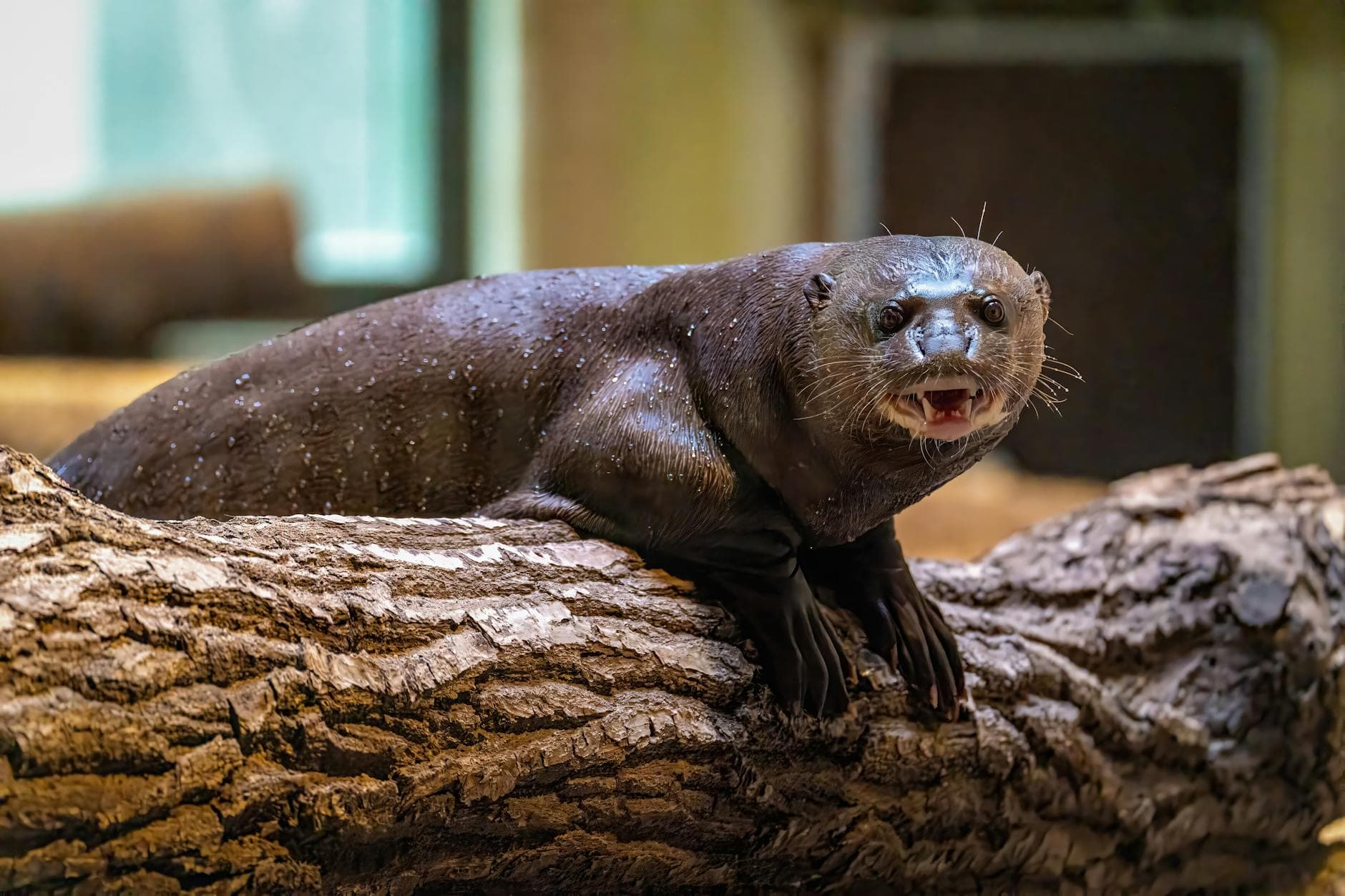
USU Grand County Extension has kept that public call open, asking people to share sightings of river otter, pine marten and other less-observed species. Cory Farnsworth, the Grand County Extension director and an Agriculture and Natural Resources professional practice extension assistant professor at Utah State University, is the local contact. His office is at Extension Grand County, 1850 S Aggie Blvd in Moab.
The need for extra eyes was underscored by a 2023-24 otter project involving Weber State University and Loveland Living Planet Aquarium, which used trail cameras and citizen scientists to track the animals. One report noted that river otters can travel up to 60 miles a day, which is why camera locations were shifted every two weeks. In a landscape as sprawling as Moab’s, that is exactly why a single sighting, and the exact spot where it happened, can matter.
This article was produced by Prism’s automated news system from verified source data, official records, and press releases, then run through automated quality and moderation checks before publishing. The system is built and supervised by the people who set the standards it runs under. Read our full AI policy.
Did this article answer your question?