Moab City Council Adopts Strategic Plan, Approves Budget With 9% Increase
Moab's city budget nears $5M with a 9% increase, and a new strategic plan with three active-transportation modifications could reshape trail access this spring.
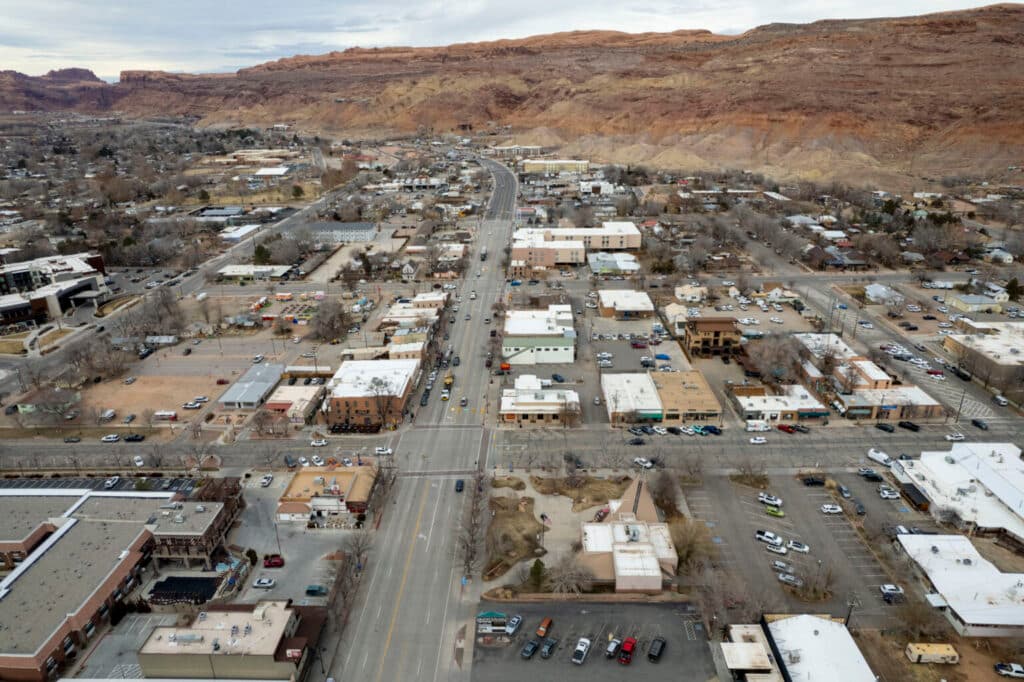
A 9% jump in collective departmental budgets moved Moab's city spending closer to $5 million at the March 24 council meeting, where rising personnel and benefits costs are forcing the kind of municipal math that directly shapes what gets maintained, paved, and staffed during the spring and summer rush.
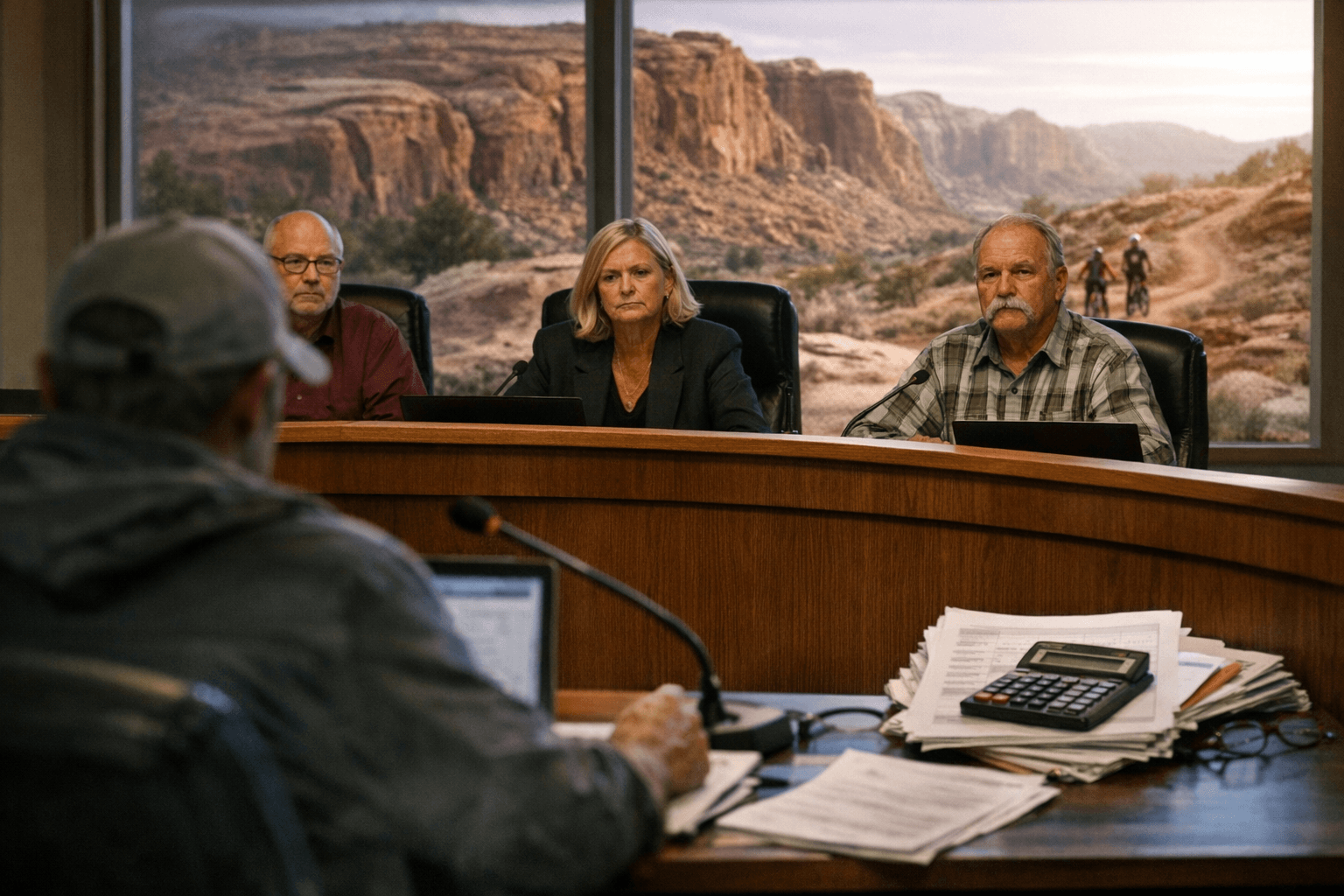
The Moab City Council passed Resolution 05-2026, formally adopting the city's FY 2026-27 strategic plan with three specific modifications designed to prioritize safety and active-transportation initiatives. The vote, like most major motions that evening, was unanimous. The council also accepted a fiscal audit and cleared several routine consent items.
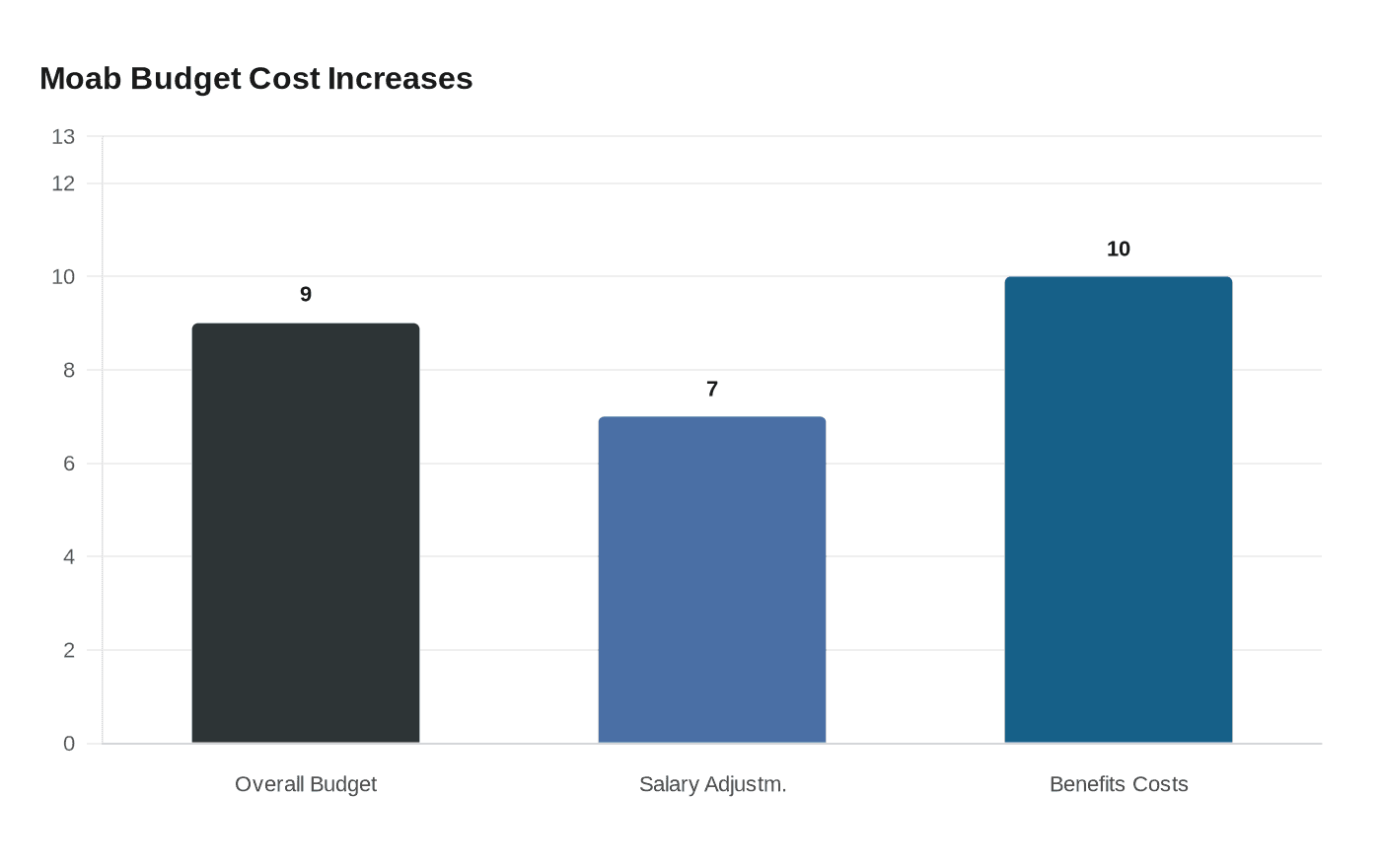
The budget pressure behind those numbers is concrete: a projected 7% salary adjustment combining cost-of-living and merit increases, layered on top of a roughly 10% rise in benefits costs driven by increased benefit prices. Those two line items are pulling departmental budgets upward across administration, the city recorder's office, the treasurer, and human resources. The same dynamic is playing out in municipal governments across the West as cities try to hold staff while absorbing post-pandemic compensation and insurance cost increases.
For anyone who rides Slickrock, runs Sand Flats Road, or depends on trailhead facilities during Easter Jeep Safari and the weeks that follow, the connection to these budget sessions is direct. Sand Flats Road, the primary corridor to the Slickrock Bike Trail, is the kind of infrastructure shaped by the capital improvement plan items the council previewed at the March 24 meeting. Vehicle procurement decisions and road surfacing priorities are scheduled to come before the body in later sessions.
The strategic plan's emphasis on safety enhancements within active-transportation planning signals that the council is actively linking visitor management to infrastructure funding, not treating them as separate tracks. Parks and recreation budget review and further capital improvement plan discussion are on the agenda for upcoming sessions. Public comment opportunities are typically scheduled before final budget and procurement votes, and full meeting materials and transcripts are available through the city.
With peak season already underway, how the council resolves these numbers will show up in tangible ways: parking management at trailheads, restroom upkeep during high-use weekends, and whether deferred maintenance projects on recreation corridors move forward in the fiscal year ahead.
This article was produced by Prism’s automated news system from verified source data, official records, and press releases, then run through automated quality and moderation checks before publishing. The system is built and supervised by the people who set the standards it runs under. Read our full AI policy.
Did this article answer your question?