Moab delays speed limit changes, keeping OHV limit at 15 mph
Moab left the 15 mph OHV limit in place through summer, pausing speed-limit changes until September as cyclists and trailhead traffic keep sharing the same streets.
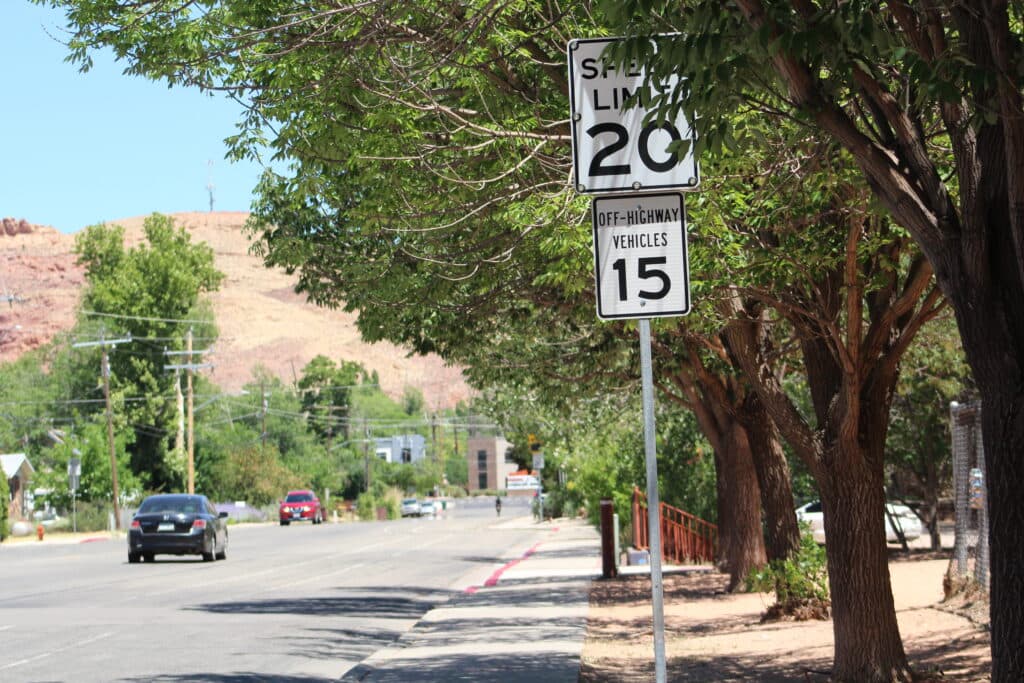
Moab’s summer road tension stayed exactly where it was: the city council postponed any speed-limit changes inside city limits until after September, leaving the 15 mph off-highway vehicle limit in place through the busiest recreation season. For anyone moving between downtown, trailheads and the city’s overlapping bike, pedestrian and OHV routes, that means the current rules remain the ones to watch.
The pause came after Moab adopted Ordinance 2026-12 on June 9, replacing Ordinance 2020-15 and updating Section 10.04.090 of the Moab Municipal Code so the city can set speed limits for street-legal vehicles, including street-legal ATVs, in a way meant to comply with state law. The ordinance says the city’s earlier 15 mph OHV limit was designed to address noise, traffic, safety, public health, welfare and quality-of-life impacts, but practical enforcement challenges and ambiguities in state law made the old setup hard to carry out. Staff said the new framework would make 20 mph the default where no sign is posted, while posted signs would still control.
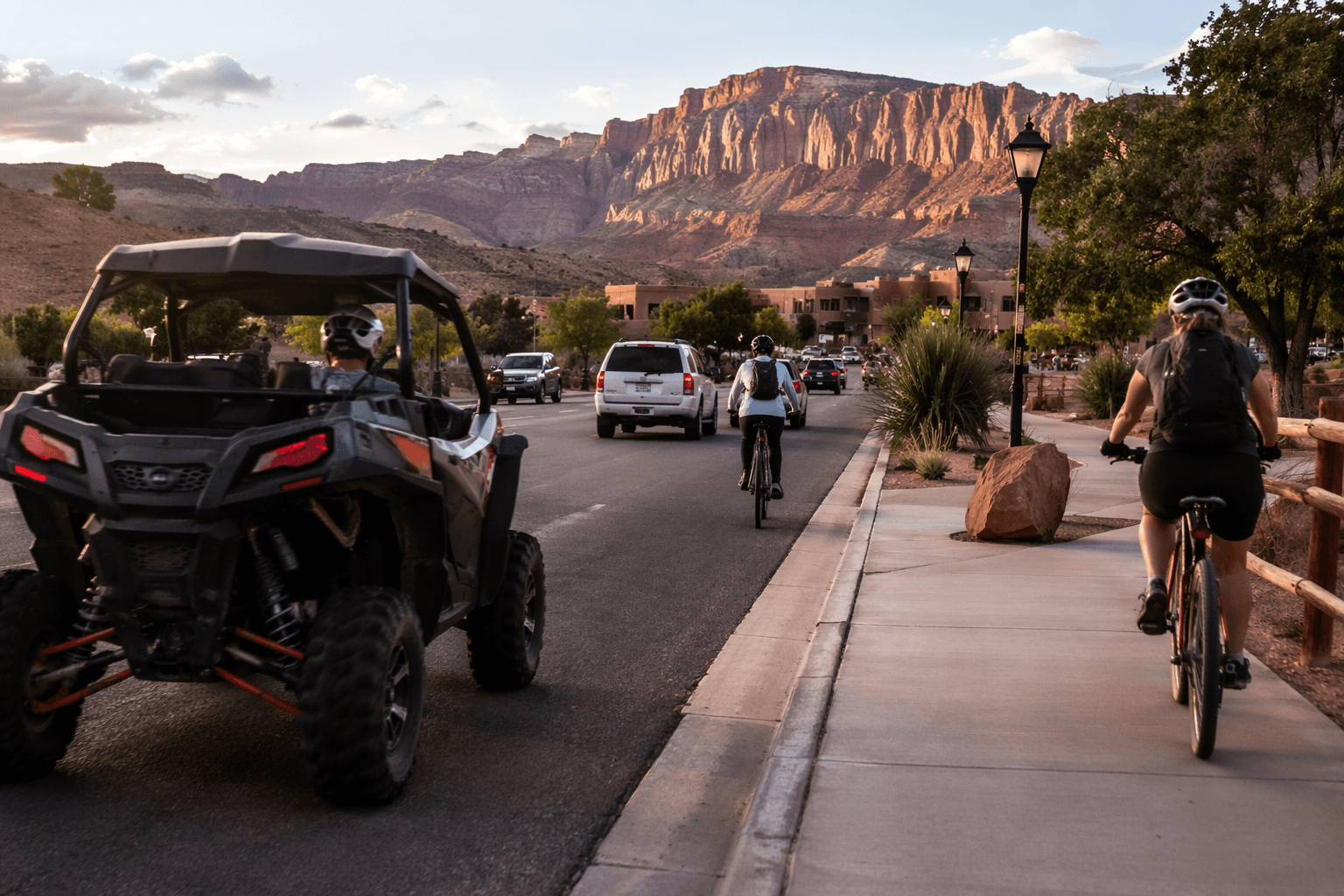
The streets at the center of the discussion are the ones recreation visitors know best. Police Chief Lex Bell, working with Public Works Director Levi Jones and City Engineer Mark Jolissaint, recommended lowering Mill Creek Drive, 400 North and 100 West to 20 mph for pedestrian and school-crossing safety. He also recommended keeping 25 mph on 500 West to Kane Creek and on 400 East via 100 North so traffic can still be routed around downtown, and holding Williams Way at 25 mph because it is a primary ambulance route to Moab Regional Hospital. Bell also did not recommend any change for the 30 mph stretch of Mill Creek from Sand Flats Road to Spanish Valley Drive.
That street map explains why the issue hit a nerve. Councilmember Colin Topper said the differential speed pattern is unsafe for cyclists, while councilmember Kaitlin Myers said her resident survey suggested noise, not speed, was the real concern. Councilmember Jason Taylor questioned whether 20 mph was too slow for the city’s main arterials. At an April 14 meeting, resident Bill Agee argued that state statutes allow speed limits to be set based on weather and vehicle type, and said removing speed-limit signs would make OHV noise harder to enforce. With summer travel still rolling and the city’s trail connections still funneling people through the same streets, Moab chose to leave the posted 15 mph OHV limit standing until the debate resumes after September.
This article was produced by Prism’s automated news system from verified source data, official records, and press releases, then run through automated quality and moderation checks before publishing. The system is built and supervised by the people who set the standards it runs under. Read our full AI policy.
Know something we missed? Have a correction or additional information?
Submit a Tip