Moab opens first trail system built for adaptive cycling and handcycles
Mud Springs gave adaptive riders a purpose-built way into Moab terrain, with 40- to 48-inch-wide loops that let Kirk Williams ride solo with more confidence.

Just south of Moab, a trail built for handcycles changed what a ride in the red rock can look like. Mud Springs is the first system in the area designed from day one for adaptive cycling, a sharp break from the widened or modified routes that had defined access for nearly 20 years.
For Kirk Williams, that difference is not abstract. The Durango rider suffered a C4-6 spinal cord injury in a 2009 mountain-bike crash, according to High Fives Foundation, and later learned to ride a handcycle. On a conventional trail, Williams has described how a tight switchback, a bottleneck or a pinch point can turn into a dead end that leaves an adaptive rider needing help to get out. At Mud Springs, he said the new design lets him ride solo with far more confidence because he knows what the trail will demand ahead of him.
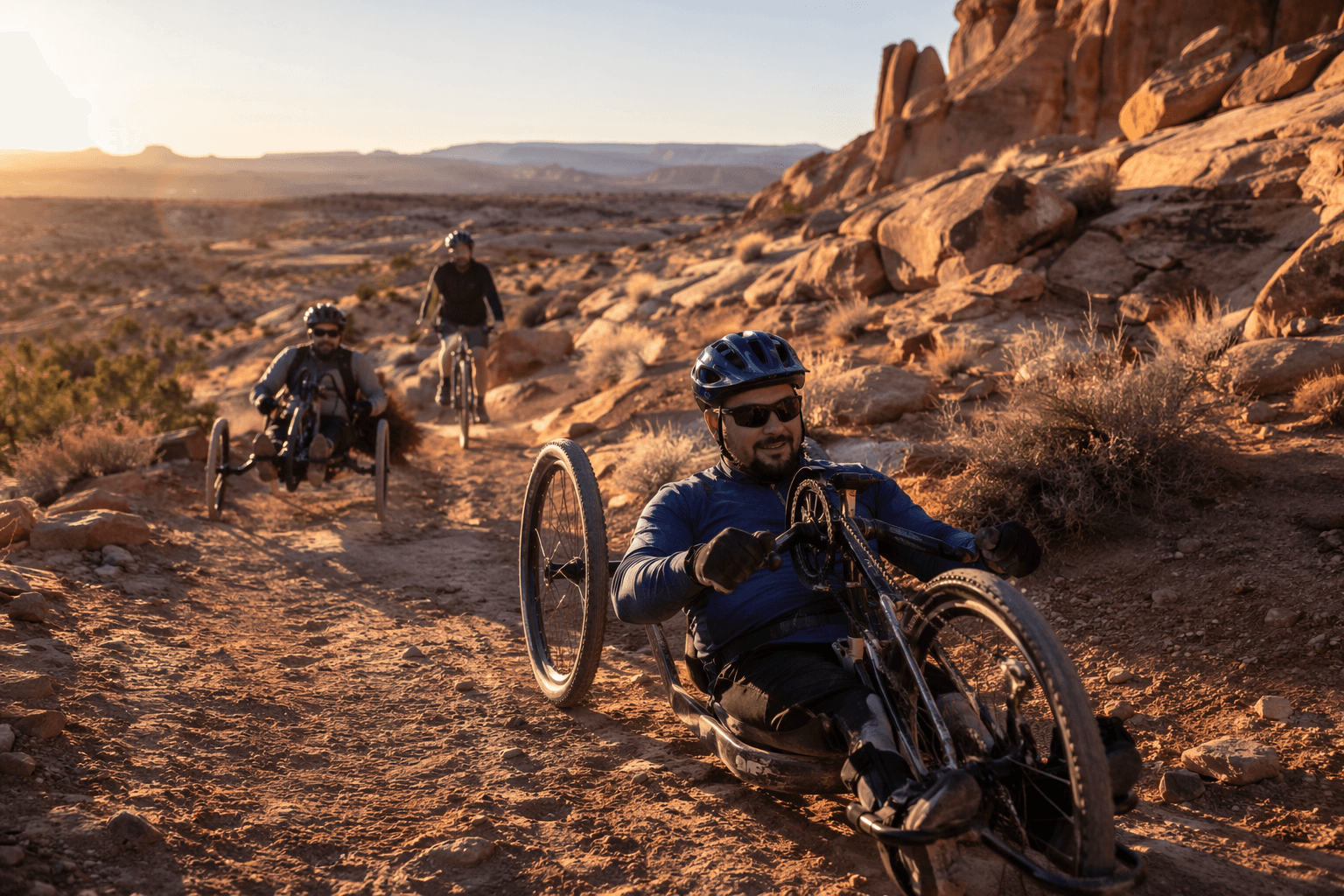
The system sits about 12 miles south of Moab on Bureau of Land Management land, three quarters of a mile east of Highway 191 in Spanish Valley. Planning documents described Mud Springs as a 9.75-mile stacked-loop trail system, with about 7.2 acres reserved for the trailhead area, parking and designated campsites. One report on the draft environmental assessment said about seven miles of phase-one trail would be 36 to 48 inches wide, far broader than the singletrack that made Moab famous. The trail itself runs about 40 to 48 inches across, a width that signals how the route was built to fit adaptive cycles rather than forcing them into a standard mountain-bike template.
The planning process began publicly when the Bureau of Land Management released a draft environmental assessment on Nov. 6, 2023, and opened a 15-day comment period. Grand County later said a decision was signed in December 2023, clearing the way for construction. County officials have since said Mud Springs is the first trail system in southeastern Utah designed to meet adaptive-cycle requirements and allow Class 1 e-bikes.
That puts the project into a broader local shift. Grand County says more than 50 miles of trail in the county have become rideable for adaptive cyclists in recent years, and an interlocal agreement between Grand and San Juan counties runs through 2027. The Bureau of Land Management Moab Field Office also announced in 2026 that nearly 200 miles of mountain-bike trails around Moab would be open to Class 1 e-bikes as of March 1, widening the region’s riding map even further.
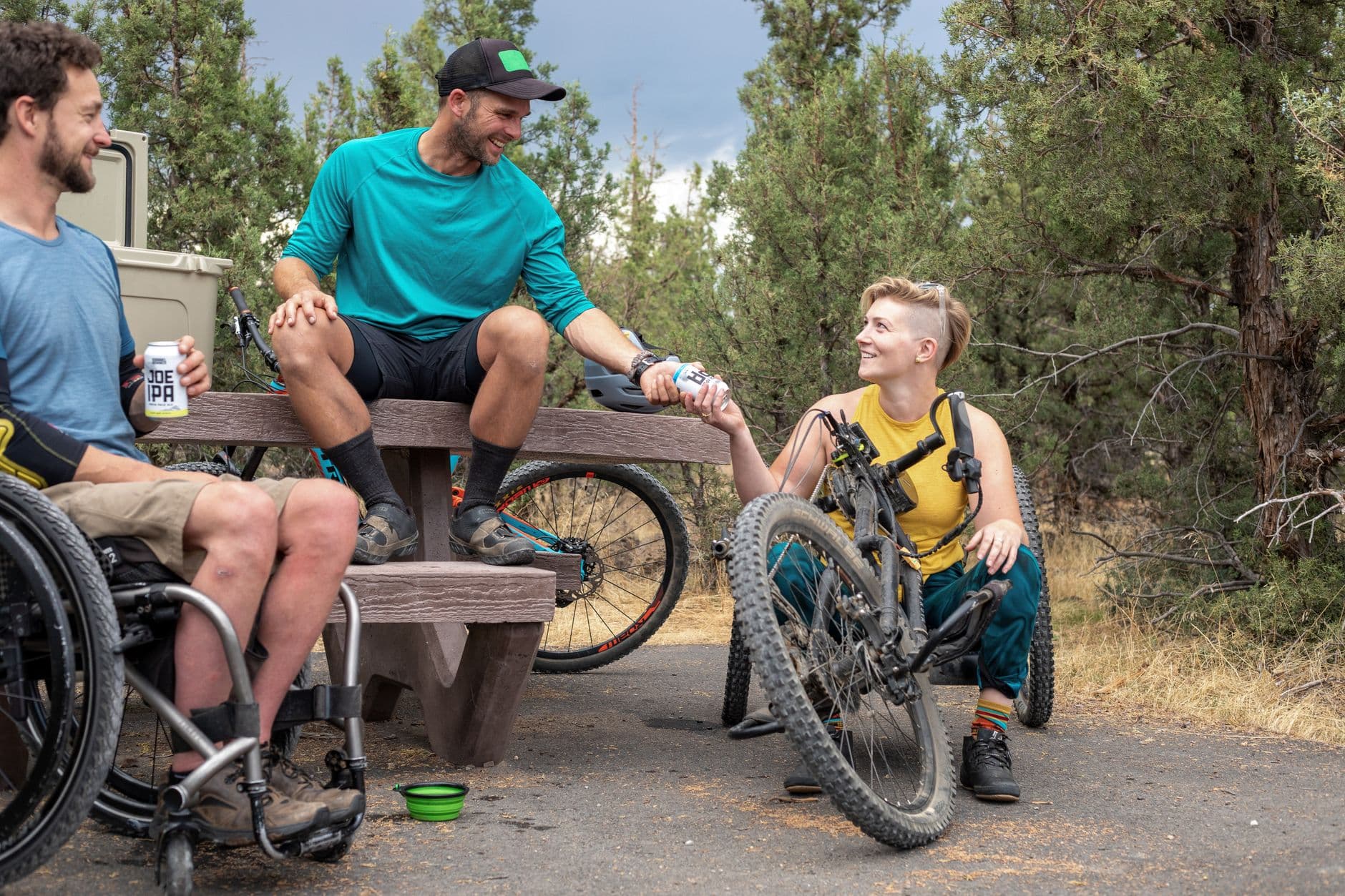
Mud Springs matters because it changes who can show up and finish the ride under their own power. In a place where Moab’s trails have long set the standard, the new network makes adaptive access part of the standard too.
This article was produced by Prism’s automated news system from verified source data, official records, and press releases, then run through automated quality and moderation checks before publishing. The system is built and supervised by the people who set the standards it runs under. Read our full AI policy.
Did this article answer your question?