Moab's E-Bike Trail Access Expands, Opening 200 Miles to Class-1 Riders
200 miles of Moab singletrack opened to Class-1 e-bikes on March 1, cracking the door for injured and aging riders on trails that once demanded full fitness.
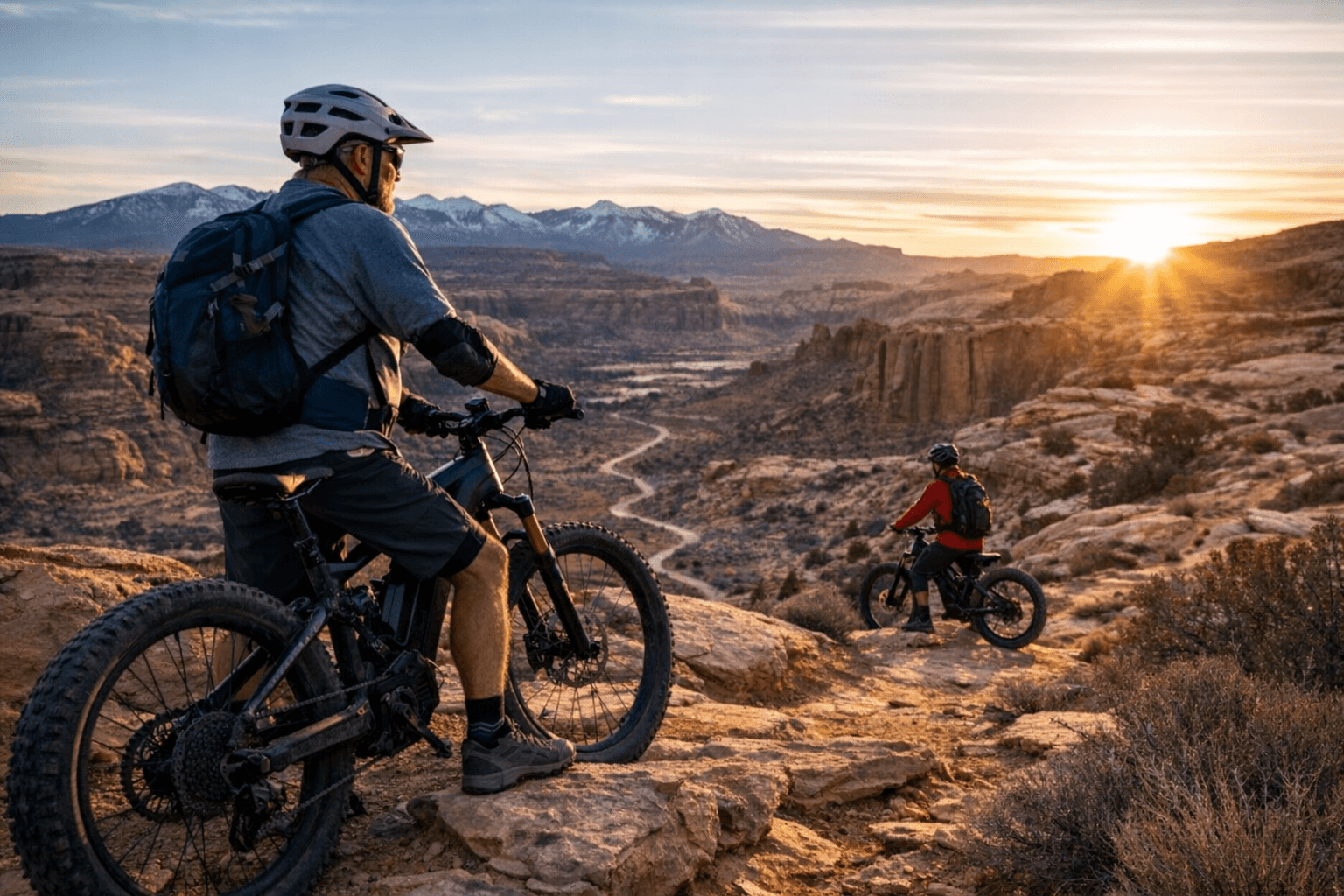
Two hundred miles of Moab singletrack that once demanded full leg power from every rider who touched them now operate under a different set of rules. Since March 1, Class-1 pedal-assist e-bikes are authorized across dozens of trail systems managed by the BLM Moab Field Office, a policy shift that has begun reshaping who shows up on the red rock and what they're riding.
A first-person ride report published March 28 captured what the authorization actually feels like on the trails: climbs that once consumed the better part of a morning flattened into quicker, higher-speed return trips, and the assist button changed not just the pace but the calculus of line choice and energy management across multi-hour days.
A BLM spokesperson framed the decision in terms of equity rather than recreation efficiency. "The advent of Class-1 e-bikes presents an opportunity to increase public land access," the spokesperson said, noting that many requests to open these trails came from riders seeking better access because of injury, age, or physical limitations. For a destination as technically demanding as Moab, that framing carries real weight.
Class-1 rules are specific: motor assistance is permitted only while actively pedaling, and the assist cuts out entirely at 20 mph. That ceiling keeps eMTBs out of the full-throttle territory of Class-2 and Class-3 bikes and is central to the BLM's case that impacts can be managed. The agency's environmental review concluded that Class-1 e-bikes, when properly ridden, produce trail wear that parallels conventional mountain bikes, though heavier frames can alter rutting and turn behavior in ways that will require active monitoring.
Rental shops and outfitters in Moab have already started adjusting to the new reality, with fleet updates, revised safety briefings, and updated waivers under discussion. Rental demand is expected to climb as older riders and those returning from injury discover that trails previously off the table are now accessible.
The downstream effects extend beyond the rental counter. BLM field offices in Colorado and elsewhere have been watching the Moab authorization closely, and it could serve as a template for evaluating similar proposals across the region. If trail conditions hold and user conflicts remain manageable through the first season of expanded access, the argument for broader Class-1 authorization elsewhere becomes significantly easier to make. How Moab's corridors hold up under this new ridership will set the terms of that conversation.
Know something we missed? Have a correction or additional information?
Submit a Tip