NPS Warns Glen Canyon Visitors of Quicksand Danger Ahead of Spring Break
The NPS posted a quicksand alert for Glen Canyon NRA on March 3, warning spring breakers that the hazard "can appear dry and firm on the surface but may suddenly give way."
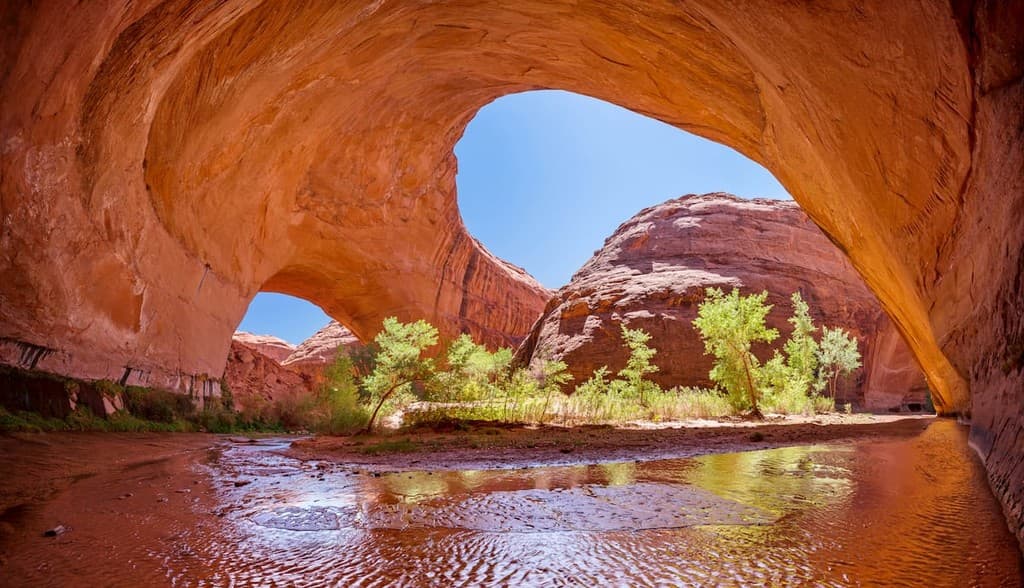
That stretch of ground near the water's edge may look perfectly solid until it isn't. The National Park Service posted a safety alert on March 3 to its Facebook page and official website warning visitors to Glen Canyon National Recreation Area that hazardous quicksand is present near shorelines and in drainages throughout the park, timing the notice to coincide with rising spring break traffic.
"It can appear dry and firm on the surface but may suddenly give way," the Park Service wrote in the alert. "Watch for unstable, shifting or unusually soft ground, and use caution when entering these areas."
Glen Canyon spans more than 1.25 million acres from Lees Ferry in Arizona to the Orange Cliffs of southern Utah, drawing visitors for water-based recreation, backcountry adventures, and access to landmarks including Horseshoe Bend on the Colorado River and Lake Powell, the second-largest man-made lake in the United States. It was not clear how many pockets of quicksand exist within the recreation area or what specifically prompted the March 3 notice.
The NPS outlined several indicators to watch for on the ground. Unexpected water seepage and shifting, rippling, or vibrating soil are primary red flags. Surfaces that look dry but feel soft or spongy, depressions and saturated low spots, and fine sediment visibly mixed with water all warrant extra caution. The agency also flagged wet, loose, or unusually smooth ground and noted that flattened or freshly leveled surfaces may conceal saturated sediment beneath a thin surface layer. When stepped on, that kind of ground may move, ripple, or subtly vibrate.
Despite the alarming reputation quicksand carries, the physics work in a trapped person's favor. Quicksand has a density of roughly 2 grams per milliliter, according to National Geographic, while the human body averages about 1 gram per milliliter, making complete submersion physically impossible. Most people sink only to waist level. The real dangers are time and exposure: getting stuck can lead to hypothermia and dehydration, and the NPS guidance treats the situation as genuinely life-threatening.
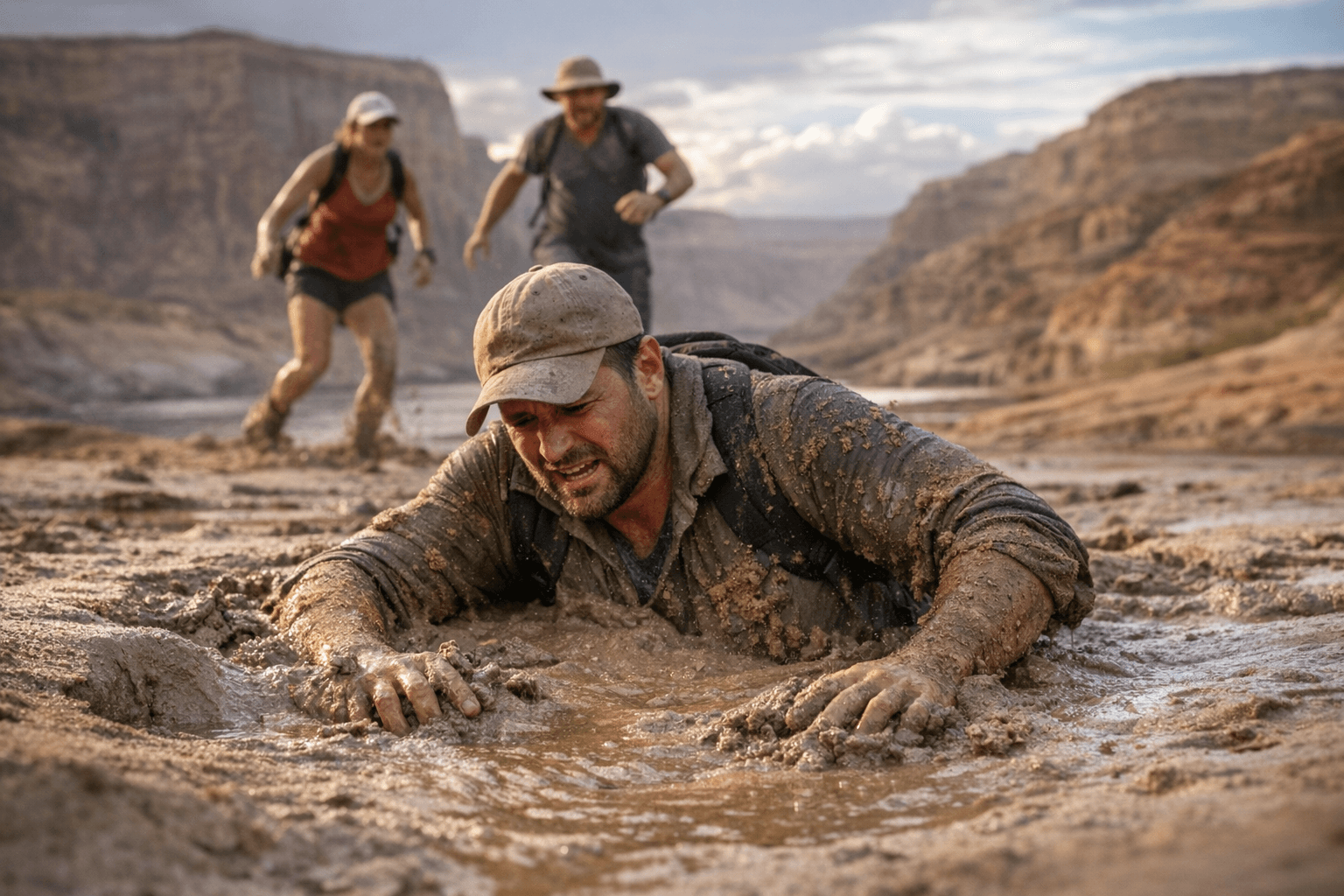
If caught, the Park Service advises staying calm and avoiding sudden movements, which accelerate sinking. Leaning back to spread out body weight, then slowly wiggling feet or rotating legs to work them upward, gives the best chance of self-rescue. From there, slow and controlled movement toward firmer ground is the priority. A sturdy object such as a branch or trekking pole can provide leverage, and the NPS specifically cautions against trying to stand up until fully clear of the unstable area.
The warning carries real-world weight. A 34-year-old Arizona man was rescued after spending hours trapped in quicksand in Zion National Park, suffering hypothermia, exposure, and other injuries before being airlifted to safety, an incident Fox News cited as context for the Glen Canyon alert.
Quicksand is composed of fine sand, clay, and salt water, according to Live Science, a combination that can fool even experienced hikers into mistaking it for solid ground. Anyone planning to explore Glen Canyon's shorelines or drainage corridors this spring break should read the full NPS safety guidance before heading out.
This article was produced by Prism’s automated news system from verified source data, official records, and press releases, then run through automated quality and moderation checks before publishing. The system is built and supervised by the people who set the standards it runs under. Read our full AI policy.
Did this article answer your question?