San Juan National Forest Culvert Project Restores Trout Habitat, Limits Hunting Access
Hermosa Park Road will close Sept. 8 through Oct. 13, 2026 while the San Juan NF installs a culvert and reconstructs about 900 feet of stream to restore Colorado River cutthroat trout habitat.

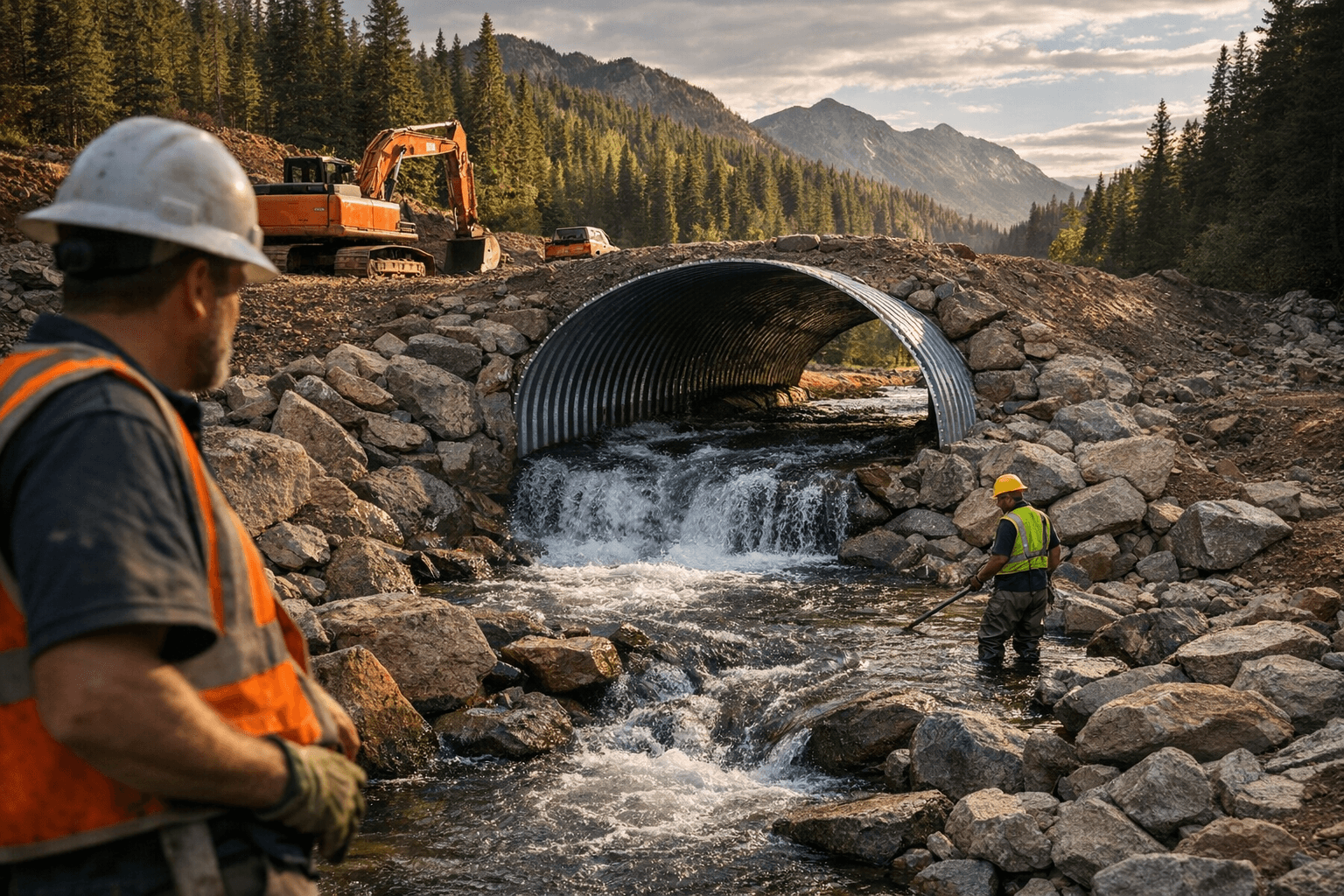
The San Juan National Forest will build the Mainstem Hermosa Creek Culvert Installation Project along National Forest System Road 578 (Hermosa Park Road) in the Columbine Ranger District to replace a longstanding vehicle ford, reconnect fragmented stream reaches, and reconstruct about 900 feet of damaged stream bed to improve habitat for Colorado River cutthroat trout.
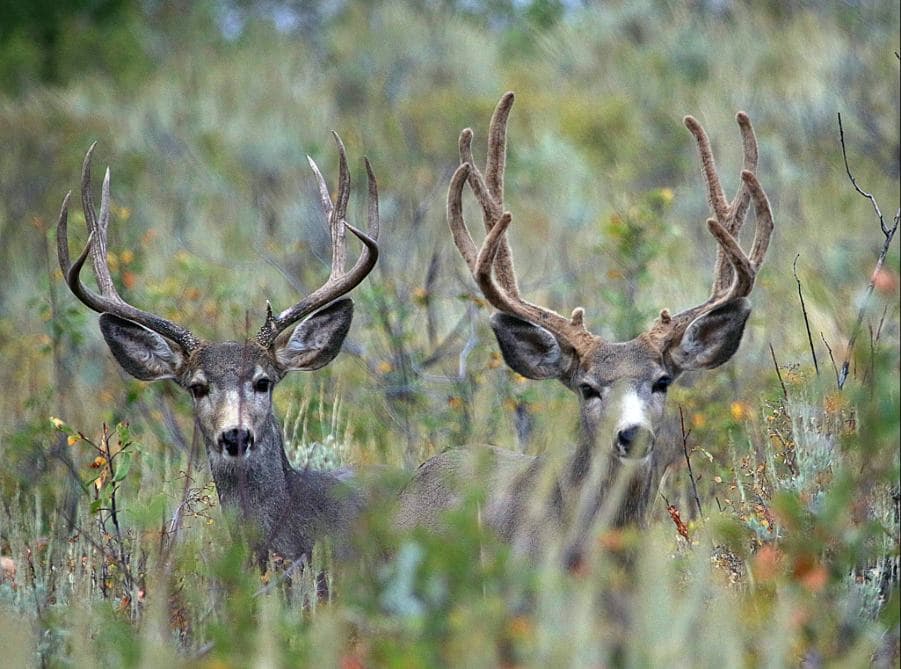
Forest Service scheduling calls for a full road closure Sept. 8 through Oct. 13, 2026 for project implementation, with additional road construction work and traffic delays of up to 30 minutes expected from mid-August through the end of October 2026. The Forest Service notes that access to the Hermosa Creek Trail will remain open while the project limits access to a large portion of Game Management Unit 74 and overlaps Colorado’s Archery and Muzzleloader big-game hunting seasons.
Officials point to decades of vehicle crossings that drove directly through the stream as the root of current conditions: “For decades, vehicles have crossed Hermosa Creek by driving directly through the stream during low water.” That practice, Forest Service and Durango Herald reporting says, “has widened and shallowed the channel, degraded water quality and blocked fish passage, while also creating safety risks for drivers during high flows.” The culvert is intended to reverse those trends by installing a stream-crossing structure that will allow aquatic organisms to pass beneath the road while restoring stream conditions.
Technical context for aquatic organism passage in the San Juan National Forest comes from Colorado School of Mines Capstone Senior Design materials, which examined Sig and Relay Creek and recommended replacing existing steel pipe culverts with bottomless corrugated steel culverts to maintain a natural stream bed, reduce excavation where bedrock is present, lower costs, and allow transport in sections on forest roads. Those Mines AOP materials also note that Colorado River cutthroat trout now occupy about 16 percent of their historical habitat and that roughly 8 percent of the CRCT population exists in what the Mines team calls conservation populations; the Mines work applies to tributary redesigns and does not state the mainstem Hermosa culvert type.
The Hermosa Creek watershed sits inside protections created by the 2014 Hermosa Creek Watershed Protection legislation, which established a 70,600-acre Special Management Area and a 37,400-acre Hermosa Creek Wilderness. The Forest Service reminds the public that “The Hermosa Creek Watershed experienced the 54,000‑acre '416 Fire' in 2018. As a result, there are burned area hazards in the Hermosa Creek Watershed. Entry into burned areas is at your own risk. Some trails will be impassable, and hazards such as falling trees, unstable soils, and debris flows will exist.” Contact the Columbine Ranger District at 970-884-2512 for current conditions.
Maps titled “Map of Mainstem Hermosa Creek Culvert Installation Project” are available courtesy of the San Juan National Forest Service and were distributed with the Forest Service news release dated Feb. 5, 2026. The Forest Service reiterated the operational impacts in release language: “This project will occur during Archery and Muzzleloader big game hunting seasons and will affect access to a major portion of Game Management Unit (GMU) 74. Hunters should keep that in mind when applying for 2026 hunting licenses and when planning their trip.” When construction wraps, the culvert and reconstructed channel aim to restore aquatic organism passage and reduce the public safety risks created by vehicles fording Hermosa Creek.
This article was produced by Prism’s automated news system from verified source data, official records, and press releases, then run through automated quality and moderation checks before publishing. The system is built and supervised by the people who set the standards it runs under. Read our full AI policy.
Did this article answer your question?