Seven-Episode Podcast with GCSAR Recounts Moab Rescues, Teaches Preparedness
A seven-episode podcast with Grand County Search and Rescue and KZMU retells Moab rescues and teaches practical preparedness steps that help outdoor users avoid emergencies.
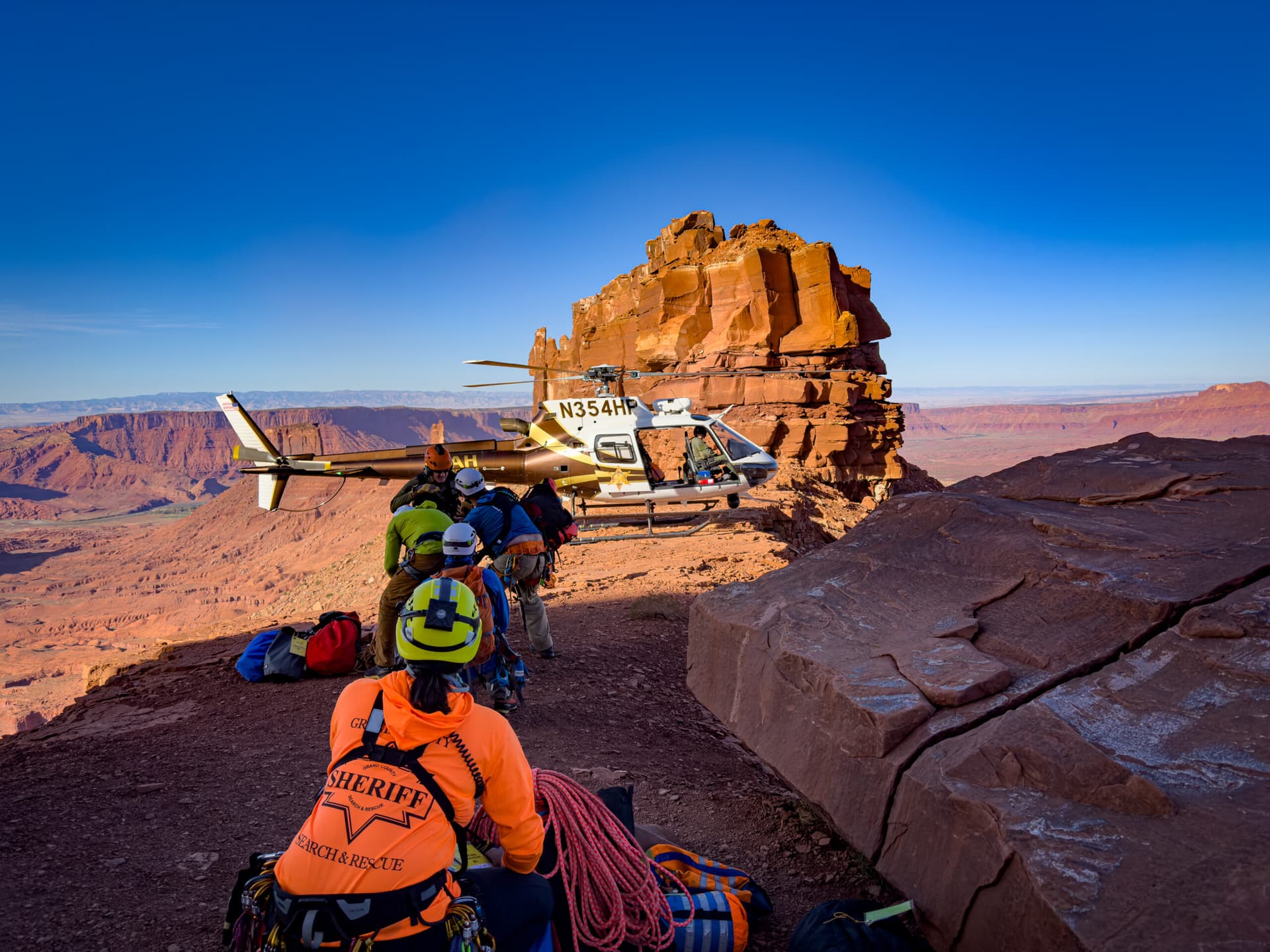
A seven-episode podcast produced in partnership with Grand County Search and Rescue (GCSAR) and local KZMU community radio recounts real rescue incidents across the Moab area while teaching simple, actionable safety habits. Reporter and producer Molly Marcello let rescuers and those rescued tell their stories, folding first-hand interviews into clear lessons about navigation, emergency communication, packing, and trip-planning. The series was released Jan 24, 2026.
Episodes span a cross-section of local recreation and terrain. Listeners hear about La Sal backcountry skiing incidents, climbing responses at Castleton Tower, mountain-bike rescues on the Whole Enchilada, Hurrah Pass off-roading rollovers, Gemini Bridges BASE-jump incidents, and river responses. The range underscores how quickly a day in the field can turn into a call for help and why preparation matters across sports and seasons.
The podcast also lays out the scale of the volunteer effort behind those rescues. GCSAR handled 143 calls in 2025, logging nearly 3,000 incident hours. That works out to an average of about 21 incident hours per call, a reminder that even a single outing can require long, resource-intensive responses. The series stresses that rescues are carried out by volunteers who invest significant training and personal time to respond to neighbors and visitors.
Practical value for readers is front and center. Carry navigation tools and learn route-finding and map reading rather than relying solely on cell service. Carry an emergency communication device and spare batteries rather than assuming coverage. Pack extra water and gear for changing conditions and know the weight trade-offs with your pack. Plan your trip, share your route and expected return, and leave detailed trip notes at a reliable trailhead or with a designated contact. Those simple steps are presented as ways to reduce the likelihood of a 911 call and to make any needed response faster and safer.

Community relevance goes beyond individual safety. The stories humanize the people who call for help and the volunteers who respond, reinforcing why local outdoor culture values self-reliance, good beta, and mutual aid. The podcast gives rescuers a platform to explain how small decisions on route choice, weather assessment, and kit can cascade into long, complex incidents.
For readers, the immediate takeaway is practical: update your navigation skills, carry an emergency communicator, pack extra water and gear, and plan trips with clear check-in points. Longer term, expect GCSAR and local partners to keep emphasizing training and outreach; listeners who absorb the podcast’s lessons can help reduce strain on volunteer rescuers and keep more Moab days ending with good stories rather than rescue logs.
This article was produced by Prism’s automated news system from verified source data, official records, and press releases, then run through automated quality and moderation checks before publishing. The system is built and supervised by the people who set the standards it runs under. Read our full AI policy.
Did this article answer your question?