Utah buys 50,600 acres in Book Cliffs for public access protection
Utah locked in 50,608 acres of Book Cliffs country, keeping a huge roadless block open for hunting, fishing and habitat in Grand County.
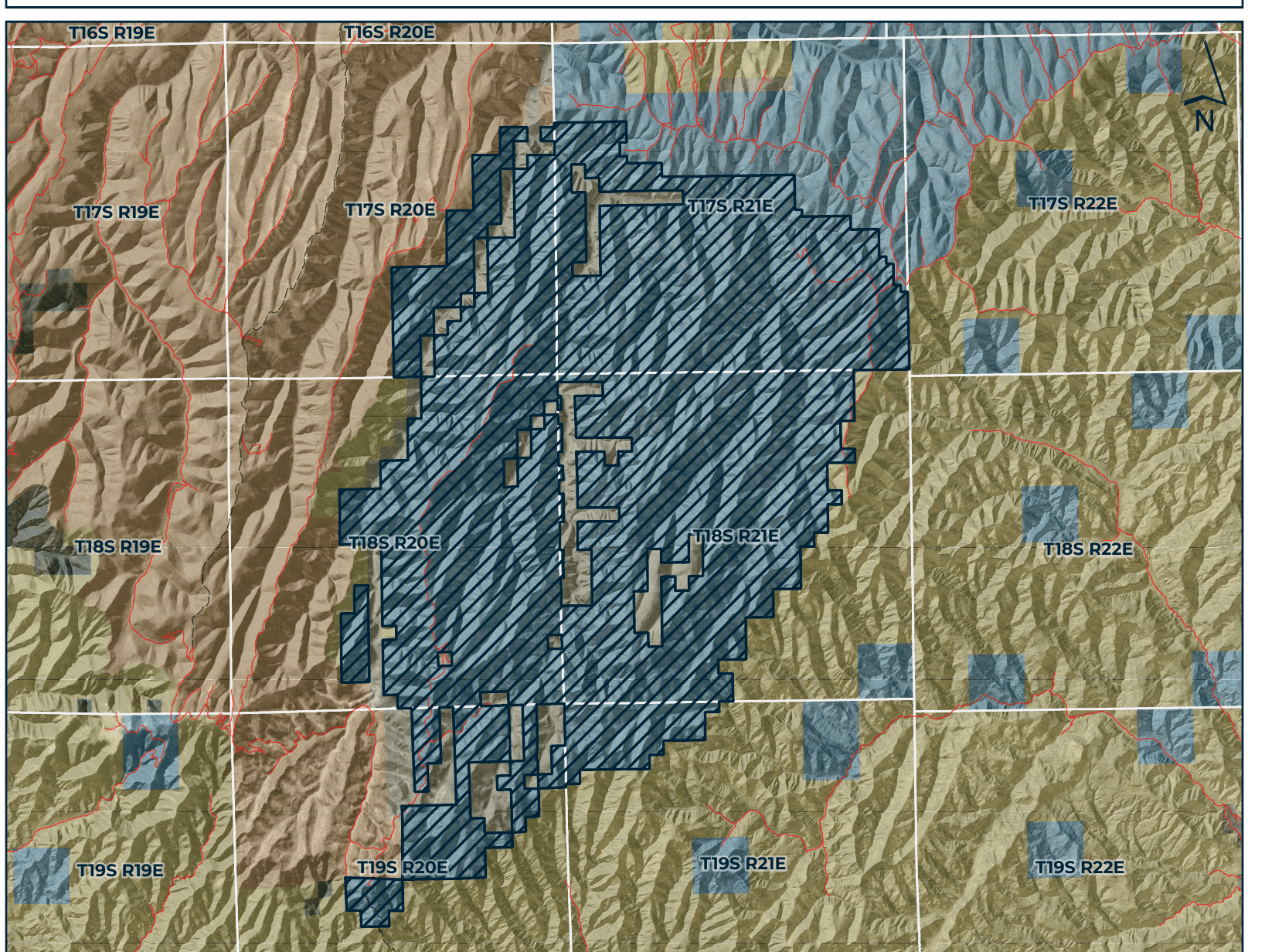
Utah has finalized a 50,608-acre purchase in the Book Cliffs, folding a major stretch of roadless country into the Little Creek Wildlife Management Area and securing public hunting, fishing and backcountry access in northern Grand County. The Utah Division of Wildlife Resources completed the deal on June 18 and will rename the expanded property the Book Cliffs Roadless Wildlife Management Area.
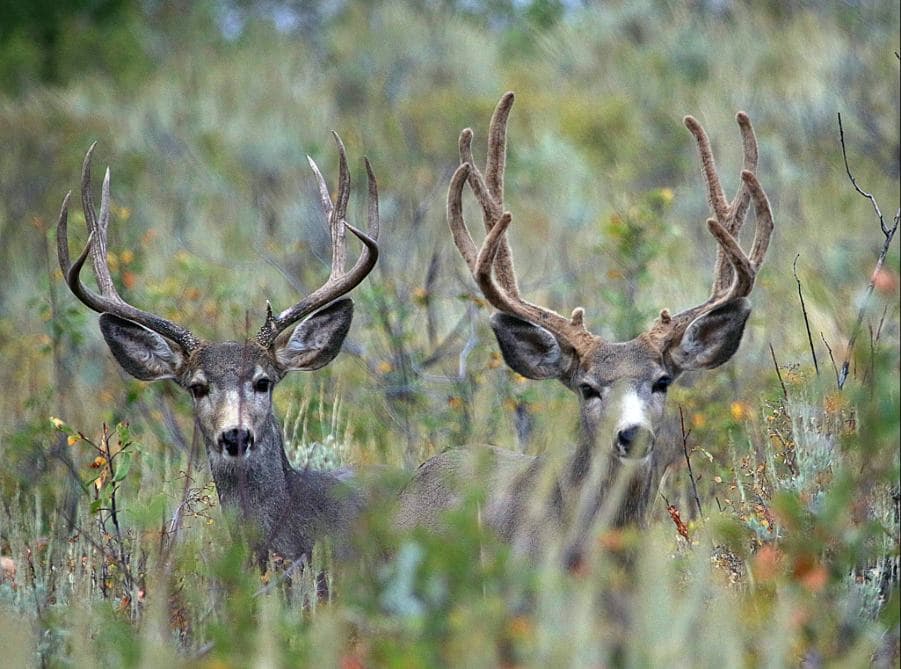
The parcel already drew more than 6,000 hunters a year, and DWR said it provides habitat for deer, elk, bison, black bear, Colorado River cutthroat trout and other species. The new acreage will be added to the existing 6,929-acre Little Creek Wildlife Management Area, giving the state a much larger block of protected ground in one of the region’s most rugged landscapes.

The land came from the School and Institutional Trust Lands Administration, which manages trust lands to generate revenue for public schools. The SITLA board approved the sale by a 5-1 vote on June 18, with Dan Simons casting the lone no vote. The final price was $29.675 million, and SITLA kept the subsurface mineral rights, leaving open the possibility of future development if it ever becomes financially viable.
The purchase was made possible by a 2025 legislative appropriation of $50 million set aside for DWR to buy large trust-land parcels and keep them available to the public. That money came after lawmakers passed a 2024 law, backed by Casey Snider, allowing direct sales from SITLA to the wildlife agency for lands with a unique public interest, including hunting, fishing and recreation. This Book Cliffs deal is the first completed under that authority.
Support for the purchase ran through state leadership and the outdoor community, even as some school-trust advocates questioned the use of education-related money for the transaction. Mike Mower called it a win for schoolchildren and the state, while Snider had long pushed to keep the land from slipping into private development. The state also drew a lesson from the 2021 Cinnamon Creek auction, when leaders scrambled to keep an 8,000-acre parcel from developers.
For hunters, anglers and anyone heading deep into the Book Cliffs, the result is immediate: a large backcountry block that already carried heavy use is now tied more firmly to public access and wildlife management. In a region where access can disappear fast, that matters as much as the acreage itself.
This article was produced by Prism’s automated news system from verified source data, official records, and press releases, then run through automated quality and moderation checks before publishing. The system is built and supervised by the people who set the standards it runs under. Read our full AI policy.
Did this article answer your question?