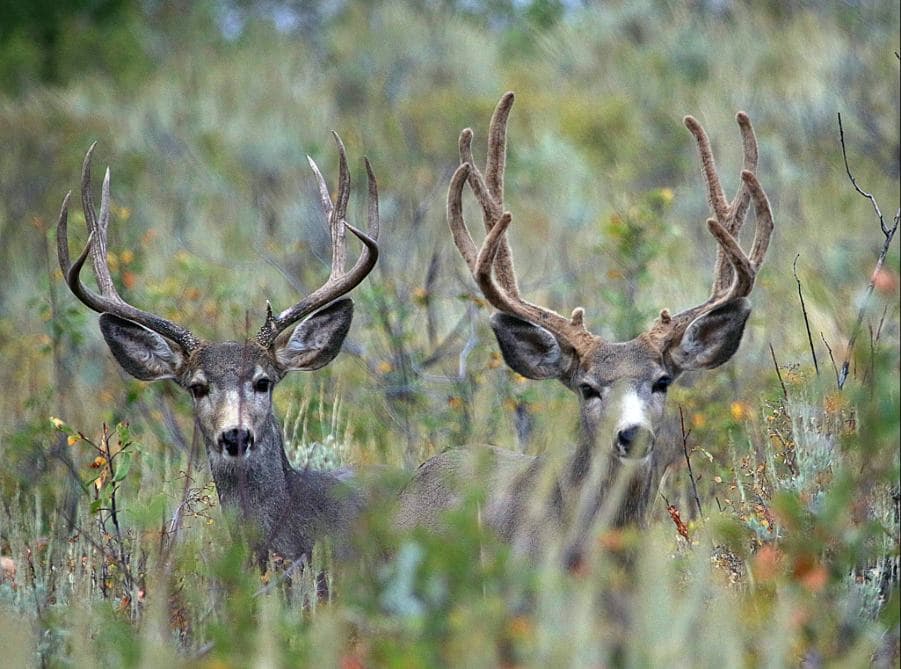
Utah wildlife officials warn hikers, campers to leave baby animals alone
Late May and June are peak fawn and calf season in Utah, and wildlife officials say most “abandoned” babies are just hiders waiting for mom.
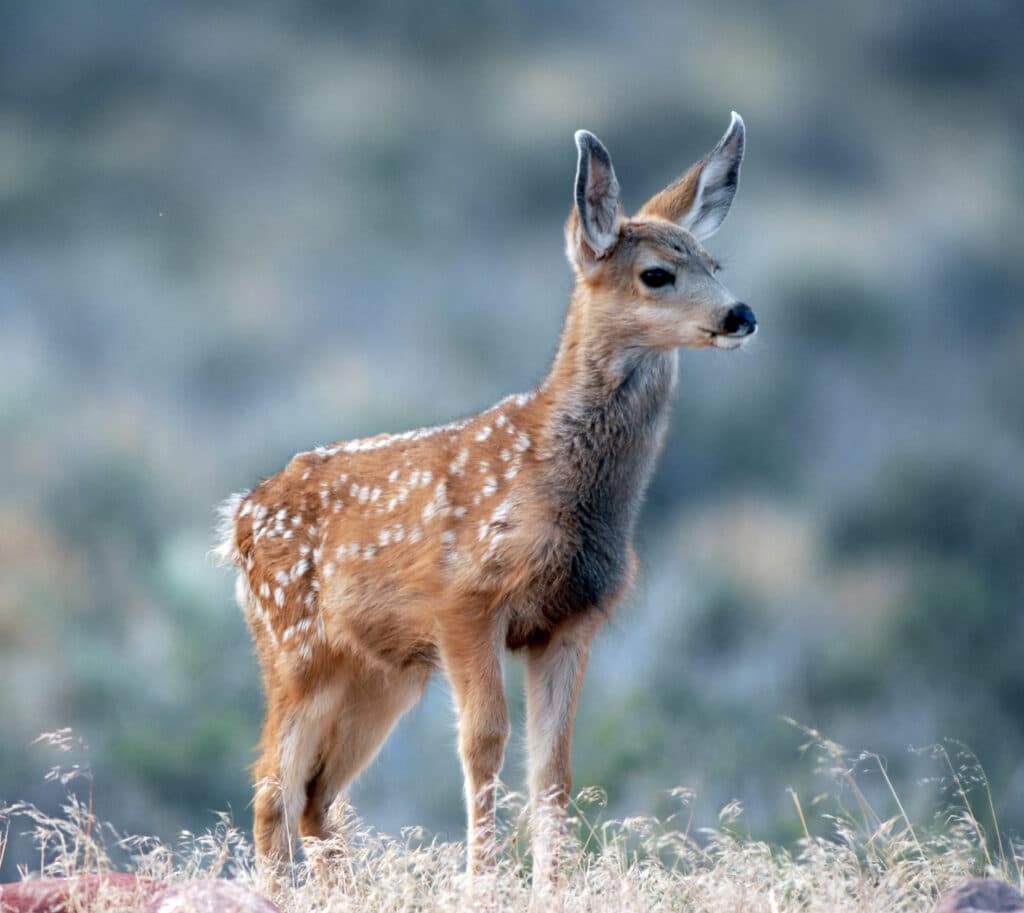
A motionless fawn in the sage or an elk calf tucked beside a trail in Utah’s backcountry is usually not a rescue case. The Utah Division of Wildlife Resources warned hikers and campers that late May and June are prime baby-animal season, and that the safest move is to leave deer fawns and elk calves alone.
The agency said newborn fawns are alone and separated from the doe by design. Deer fawns and elk calves are “hiders” that stay still and concealed during their first week of life, a survival strategy that helps them avoid predators while the mother feeds nearby. DWR said approaching, touching, feeding or handling a newborn fawn raises stress and can threaten survival. The agency also said fawns spend more than 95 percent of their time hiding early in life, which is why most animals reported as abandoned are actually waiting for the doe to return to nurse.

That warning matters everywhere the Four Corners crowd tends to roam: trail stops outside Moab, roadside pullouts, campgrounds along canyon country highways, and photo stops where visitors are tempted to get closer for a better shot. DWR said a mother’s best move is often to stay away from the young animal, and human contact can create the false impression that the baby has been abandoned. It can also attract predators and put people at risk if a protective adult is nearby.
The timing lines up with Utah’s own mule deer biology. The state’s mule deer management plan says fawns are normally born in June, with mean fawning dates in Utah ranging from June 7 to June 20. That makes late May and June the window when hikers, campers and backcountry drivers are most likely to stumble on a bedded-down fawn or calf and mistake stillness for trouble.

Wildlife officials have also had to repeat a tougher message: taking a wild baby animal home is dangerous and illegal under Utah law. The DWR said people have been bringing fawns to local wildlife agencies for care, but removing a baby from its hiding place can severely alter its life. If an animal truly looks sick or injured, the right step is to contact the nearest DWR office. Otherwise, the field guide is simple: stop, look, photograph from a distance if you want, and move on. In baby-animal season, that quiet pass-by is what keeps a hidden fawn alive.
This article was produced by Prism’s automated news system from verified source data, official records, and press releases, then run through automated quality and moderation checks before publishing. The system is built and supervised by the people who set the standards it runs under. Read our full AI policy.
Did this article answer your question?