Your Complete Guide to Permits, Safety, and Low-Impact Desert Adventure
The Colorado Plateau spans four states and demands at least a week — here's how to plan permits, safety, and low-impact travel across Moab, Monument Valley, and Mesa Verde.
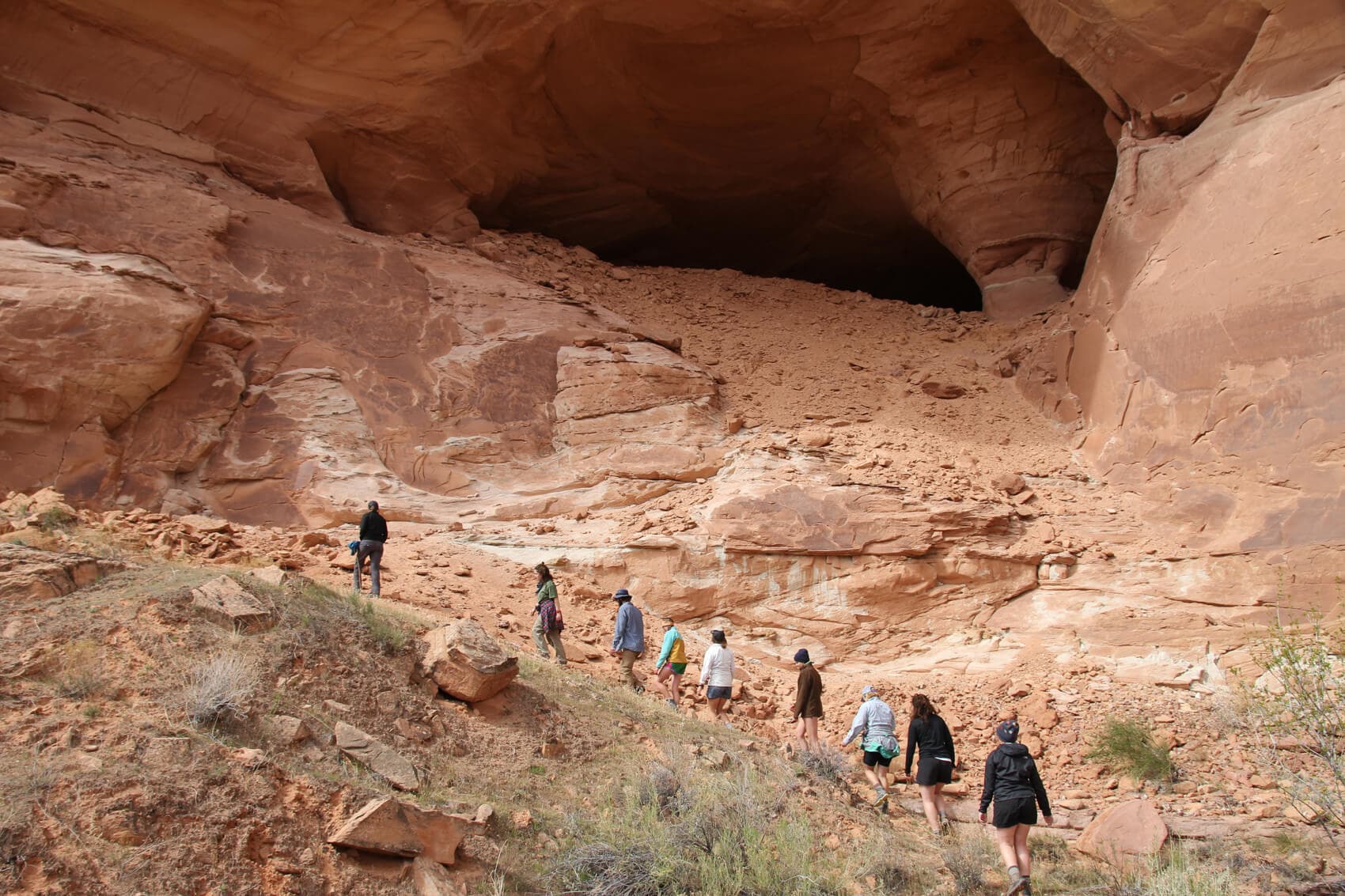
The Colorado Plateau doesn't reveal itself in a single afternoon. Deep canyons carved by the Colorado River, snow-capped peaks rising above vast desert floors, geological formations shaped over millennia by wind and water: this is the terrain that draws you across the Four Corners region, and it rewards the visitors who arrive prepared.
The region covers an extraordinary sweep of the American Southwest, anchored by Moab to the north, Monument Valley to the southwest, Mesa Verde to the east, and the Grand Canyon approaches to the south. Four states meet here: Colorado, Arizona, Utah, and New Mexico, a fact commemorated by the Four Corners Monument, which marks the only point in the United States where that's true. Plan for at least a week on the ground. The region is too expansive and too varied to rush.
Getting There and Setting Up a Basecamp
Your first decision is which airport to fly into. The four practical options are Denver, Salt Lake City (SLC), Phoenix, and Las Vegas, each of which puts you within driving distance of different corners of the plateau. Denver and SLC give you strong access to Moab and Mesa Verde; Phoenix and Las Vegas position you better for Monument Valley and Grand Canyon approaches. Whichever you choose, renting a vehicle is not optional: this is a drive-it-yourself landscape with few public transit connections between its major sites.
Once you're on the road, you'll want a reliable basecamp. Mesa Verde Motel in Mancos, Colorado sits in a well-positioned spot for exploring the eastern reaches of the Four Corners region, with Mesa Verde National Park a short drive away. After a long day on the trail or behind the wheel, having a comfortable place to decompress and plan the next leg matters more than most people anticipate before their first trip out here.
What to Prioritize: The Big Three Experiences
The Four Corners region organizes itself naturally around three types of experience: archaeological wonders, cinematic landscapes, and outdoor adventure.
Mesa Verde National Park represents the archaeological heart of the region. The cliff dwellings and mesa-top sites here are among the most significant cultural sites in North America, and they deserve more than a windshield tour.
Monument Valley offers something different: the sweeping, otherworldly butte formations that have defined the visual grammar of the American West in film and photography for nearly a century. The light here at dawn and dusk is extraordinary, and the valley's setting on Navajo Nation land adds a layer of cultural context worth engaging with seriously.
Outdoor adventure spans the full width of the plateau, from the canyon country around Moab to the high desert trails threading through the Colorado Plateau's interior. The landscape described by VisitFourCorners as "characterized by deep canyons, snow-capped peaks, vast deserts, geological features sculpted from wind and water" is not hyperbole. It is a literal description of what you will encounter.
Permits and Planning: Start Early
Permits are among the most commonly overlooked elements of Four Corners trip planning, and they can be the deciding factor between a smooth trip and a frustrating one. Across this region, you are moving through a patchwork of jurisdictions: National Park Service lands, Bureau of Land Management areas, and tribal territories, each with their own permitting systems, fee structures, and reservation windows.
Mesa Verde National Park requires timed-entry permits for its most popular cliff dwelling tours. Monument Valley, administered by the Navajo Nation, operates under its own tribal permit and tour requirements for travel beyond the main visitor drive. Backcountry camping on BLM lands across the Colorado Plateau often requires separate overnight permits, and some areas enforce strict vehicle and group-size limits to manage impact on fragile desert ecosystems.
The critical rule: research the specific permit requirements for each site you plan to visit before you book any flights. Popular tour slots at Mesa Verde fill weeks in advance during peak season. Arriving without a permit for a ticketed area means turning back.
Weather, Heat Risk, and Desert Safety
The Colorado Plateau is a high desert environment, and the gap between comfortable and dangerous conditions can narrow faster than first-time visitors expect. Summer temperatures in canyon country regularly climb well above 100 degrees Fahrenheit at lower elevations, and the exposed terrain offers little natural shade along many popular routes.
Heat safety in this environment comes down to a few fundamentals:
- Carry significantly more water than you think you'll need. Dehydration at elevation and in dry desert air accelerates faster than in humid climates.
- Plan strenuous hikes for early morning, finishing before midday heat peaks.
- Know the flash flood risk in canyon country. Storms miles away can send water rushing through a slot canyon with no warning. Check forecasts and be aware of upstream weather, not just what's overhead.
- Tell someone your route and expected return time before heading into remote areas.
Winter brings a different set of considerations. Snow-capped peaks are a feature of the landscape, not just a scenic backdrop, and higher elevation roads can close or become treacherous. Mesa Verde's mesa-top roads and some backcountry routes across the plateau see seasonal closures. Confirm road conditions before committing to a route.
Getting Around: Roads and Vehicle Considerations
The Four Corners region is a driving destination, and the character of its roads varies enormously. Paved highways connect the major towns and park entrances, but many of the most rewarding destinations require navigating unpaved dirt roads that may demand high clearance, four-wheel drive, or both. Rental car agreements frequently prohibit off-pavement use, so verify your rental terms before you plan a route that takes you off the highway system.
Fuel availability between small towns across the Colorado Plateau can be sparse. Topping off your tank whenever you pass a station is a practical habit, not an overreaction. Cell coverage drops significantly outside of town centers, which means downloaded offline maps and a written backup of your planned route are both worth having.
Low-Impact Desert Travel
The landscapes of the Four Corners region have drawn explorers, settlers, and visitors for thousands of years, and the pressure of modern visitation is visible across the plateau: compacted soils, trampled cryptobiotic crusts, and worn paths through areas that weren't designed to absorb heavy foot traffic. Traveling with low impact here isn't a bureaucratic requirement; it's what keeps these places worth visiting.
The core practices:
- Stay on established trails wherever they exist. Cryptobiotic soil crust, the dark, lumpy biological layer common across Colorado Plateau desert surfaces, can take decades to recover from a single footstep off-trail.
- Pack out everything you pack in, including food scraps, which can disrupt desert wildlife.
- Camp only in designated sites or on durable surfaces like rock or dry gravel where dispersed camping is permitted.
- At archaeological sites, look but don't touch. The oils from human hands accelerate the deterioration of ancient surfaces. Never remove artifacts or rocks from any site.
- Keep group sizes within the limits posted by the managing agency. Large groups compact soil and erode trails more aggressively than small ones.
The Four Corners Monument: Calibrate Your Expectations
If the Four Corners Monument is on your route, it is worth a stop for the novelty of standing in Colorado, Arizona, Utah, and New Mexico simultaneously. That said, the site itself has little to offer beyond that photo opportunity. It functions as a waypoint and a curiosity rather than a destination in its own right. Build your itinerary around Mesa Verde, Monument Valley, and the canyon country first, then add the Monument as a stop along the way rather than anchoring your route around it.
The broader plateau is the draw: deep canyons, geological formations shaped by wind and water over millions of years, and a living cultural landscape that connects the Ancestral Puebloans to the tribal nations present across the region today. Arrive prepared, permit in hand, water loaded, and with a vehicle suited for the roads ahead, and the Four Corners rewards that preparation in full.
Know something we missed? Have a correction or additional information?
Submit a Tip

