Bangalore's Micro Tattoo Studio Marks Five Years, 15,000 Clients Served
Micro Tattoo Studio hit 15,000 clients in five years, signaling a permanent demand shift toward fine-line and geometric work in urban India.
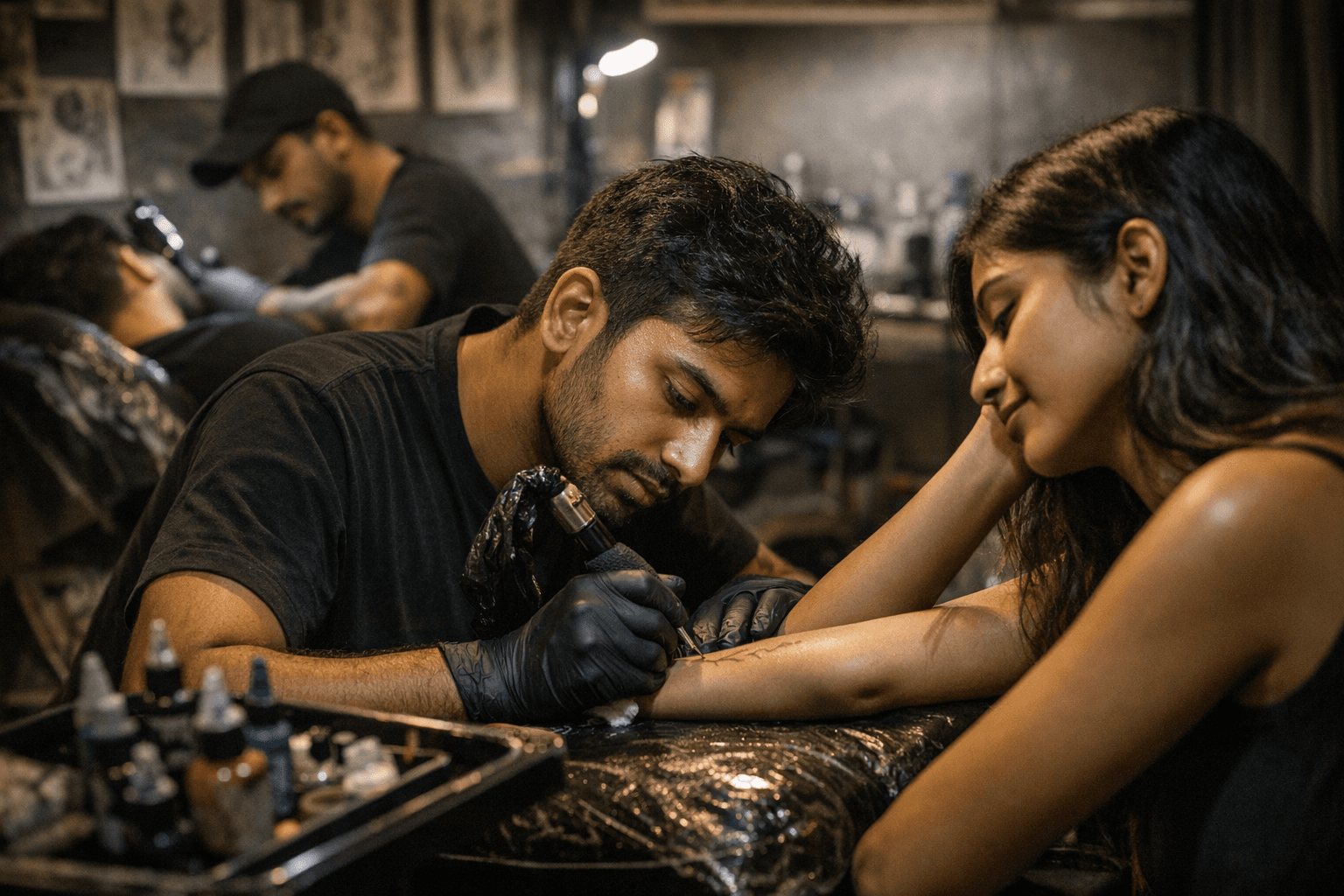
Fifteen thousand clients in five years is not a vanity number for a single studio on Church Street; it is a market signal. Micro Tattoo Studio in Bangalore crossed that threshold this month, and the figure points directly at something geometric and fine-line practitioners across urban India are already feeling: demand for precision work has outpaced what most studios were built to handle.
Founder Dinesh Rao built the studio around consultation rigor and hygiene standards from the start, positioning it to capture the shift before it became obvious. The studio's portfolio spans fine-line, realism, custom designs, and large-scale work, but the throughline is client education: every booking runs through a consultation process designed to match design complexity to execution quality. "Over the last five years, our focus has been on creating a space where clients can explore different tattoo styles with the right guidance and quality standards," Rao said. "Crossing 15,000 clients reflects the trust people have placed in our work."
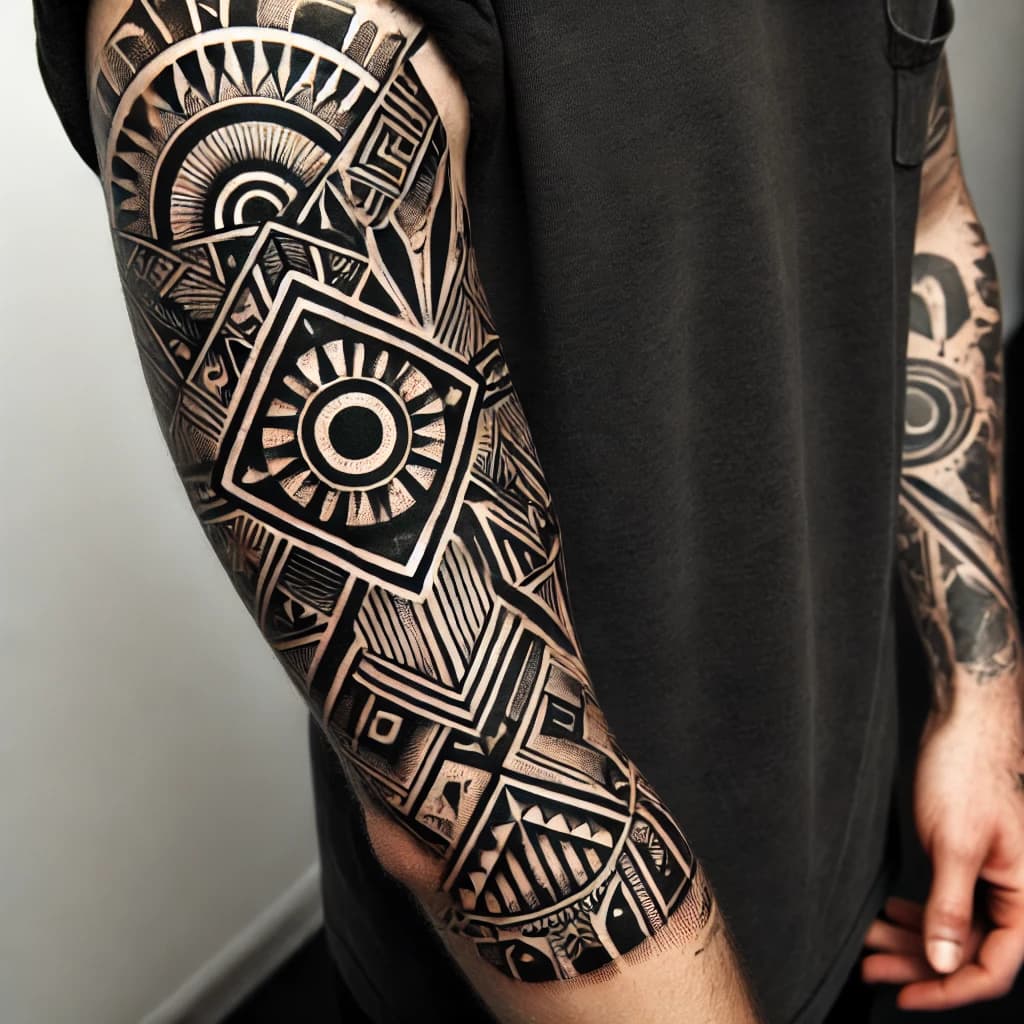
That trust has operational consequences. The studio runs on limited appointment slots, a deliberate constraint that controls quality and sustains a waitlist. For geometric work specifically, this model matters: dotwork mandalas, sacred geometry layouts, and fine-line linework all require session lengths and artist bandwidth that open-door walk-in models cannot consistently deliver. Studios that try to run high volume without controlling their booking pipeline routinely sacrifice line precision and pigment consistency, two factors that make or break geometric pieces.
The Bangalore example tracks a broader pattern in urban India, where younger professionals are increasingly commissioning custom and precision work rather than selecting from flash sheets. That behavioral shift is driving up consultation time and client spend per piece, which means studios that specialize, document their process, and build referral networks around specific styles are seeing waitlists stretch weeks to months ahead.
For artists focused on linework and dotwork, the practical takeaway from Micro Tattoo's growth is in the details Rao emphasized: clean facilities, client-facing mockup work, and consistent standards across every session. Those inputs convert a first-time client into a referral source, and at 15,000 served from a single Church Street address in five years, the math behind that conversion rate is difficult to argue with.
This article was produced by Prism’s automated news system from verified source data, official records, and press releases, then run through automated quality and moderation checks before publishing. The system is built and supervised by the people who set the standards it runs under. Read our full AI policy.
Did this article answer your question?