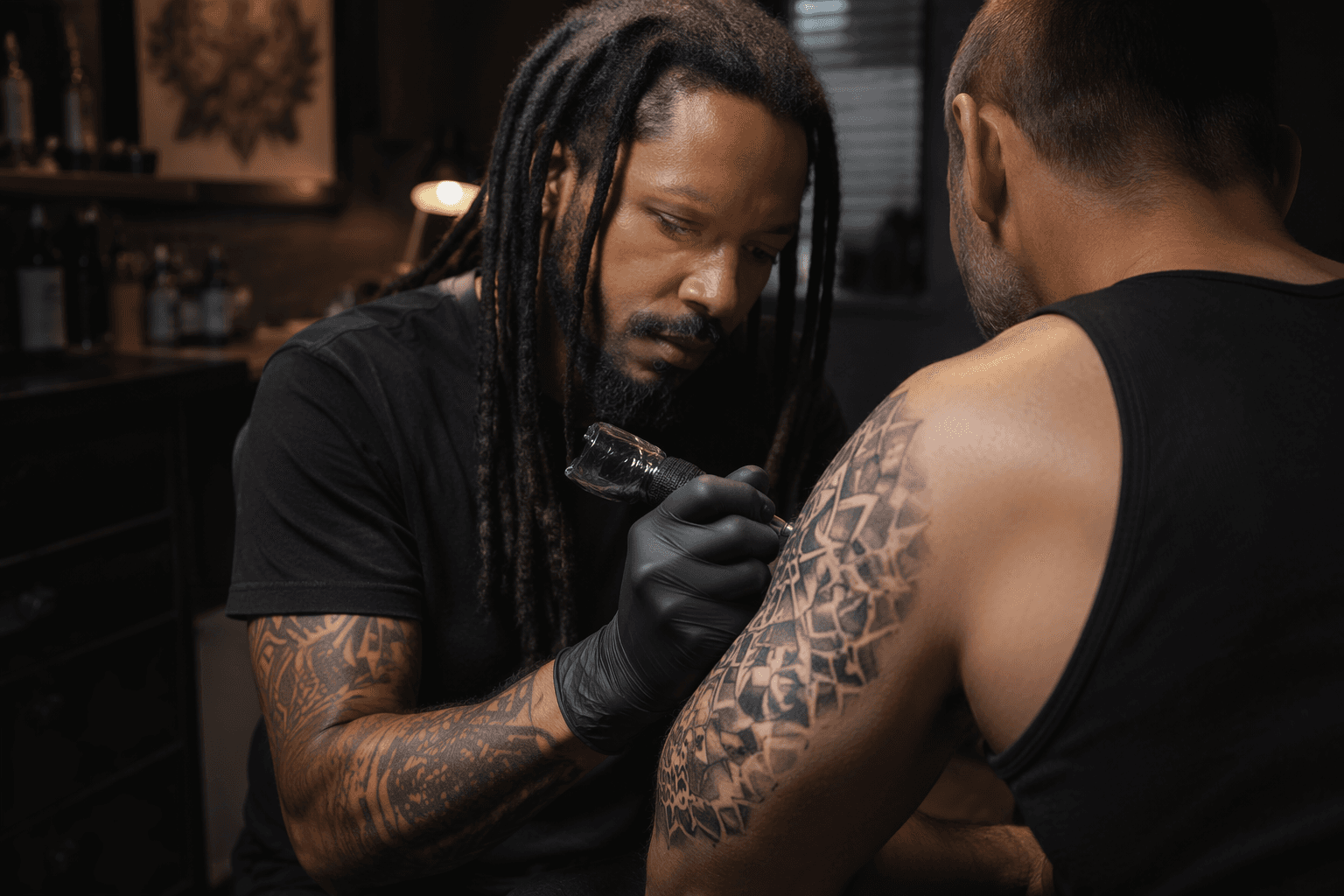
Nexus cartridges promise reliable precision for geometric tattoo artists
Nexus builds around a problem geometric artists feel immediately: if cartridges vary, symmetry, spacing, and line clarity drift with them.
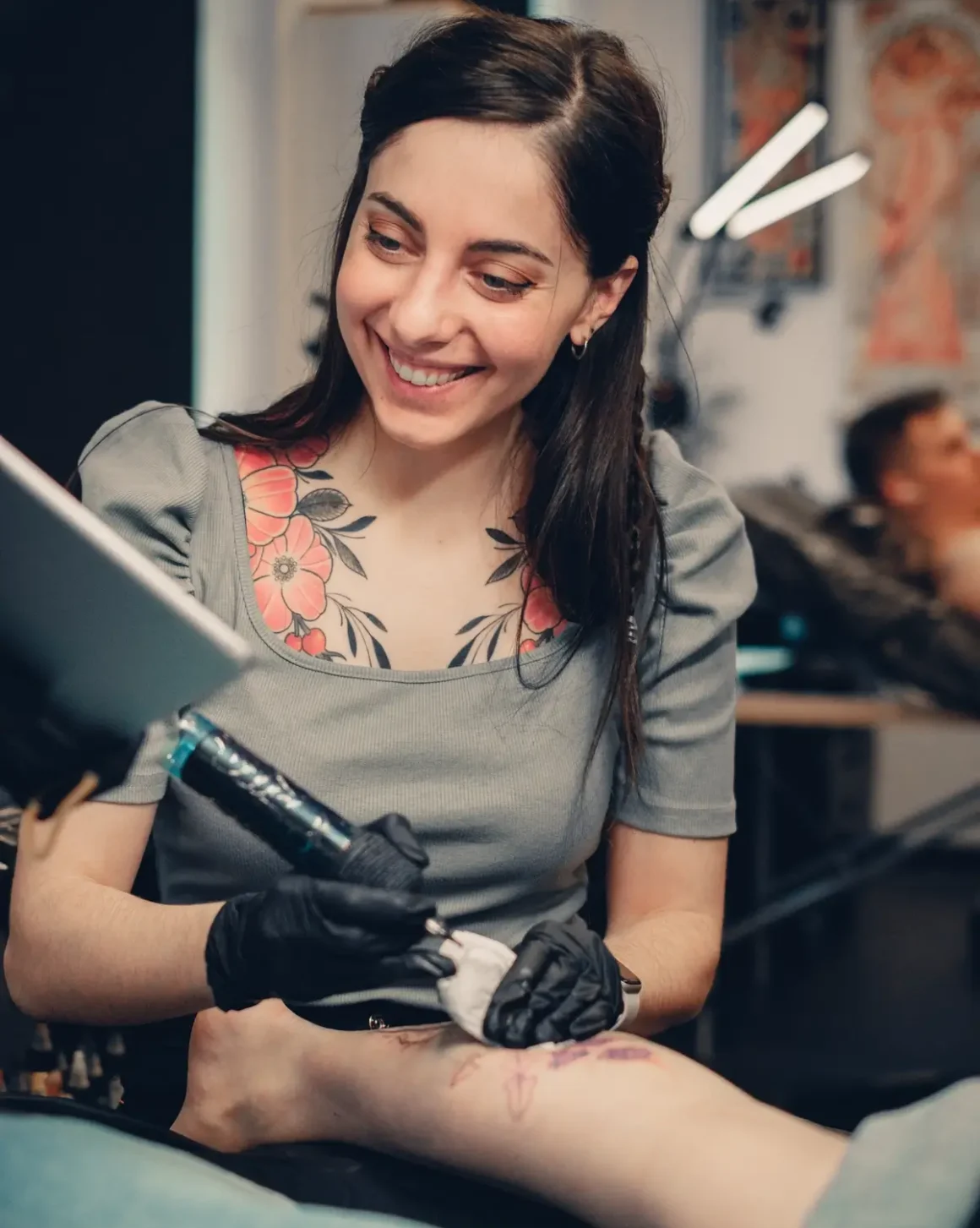
In geometric tattooing, the cartridge is never just hardware. When line weight has to stay exact, when dotwork needs to land with machine-like regularity, and when two mirrored sides of a mandala have to read as one clean shape, even small changes from one cartridge to the next can show up on skin. Nexus has built its pitch around that pressure point, arguing that reliability is not a luxury in the studio but part of the design process itself.
Consistency is the whole point
The frustration Nexus is trying to solve is familiar to anyone who works in precision-driven blackwork. Cartridges from the same box can behave differently, needle groupings can vary, and a machine can feel less predictable from one session to the next. In a style where a tiny wobble can throw off symmetry or make a clean intersection look muddy, that kind of drift forces you to spend mental energy compensating for the tool instead of drawing the tattoo.
Nexus says it was founded in Denmark in 2021 on the belief that artists should be able to trust the tools in their hand. That philosophy matters most in geometric work, where repeatable performance is not an abstract selling point but the difference between crisp geometry and a line that needs rescuing mid-pass. The company’s product story is built around reducing hidden variation so the hand, the machine, and the stencil can stay aligned longer.
What Nexus says it built into the cartridge
Nexus says every cartridge is engineered under ISO 9001-certified manufacturing standards, uses premium-grade Japanese 304 stainless steel, and includes U.S. FDA-certified safety membranes. It also says the cartridges are EO sterilized. Those details sound technical because they are, but they map directly onto the kind of trust precision work demands: stable grouping, clean deployment, and less guesswork when you load the next cart.
The studio-facing features are part of the same logic. Nexus uses color-coded labeling, orientation markers, dual-sided labeling, and barcodes to help busy shops manage inventory and keep cartridges moving in the right direction. For a tattooer hopping between linework, dotwork, and fill, that kind of readability cuts down on friction before the needle even touches skin.
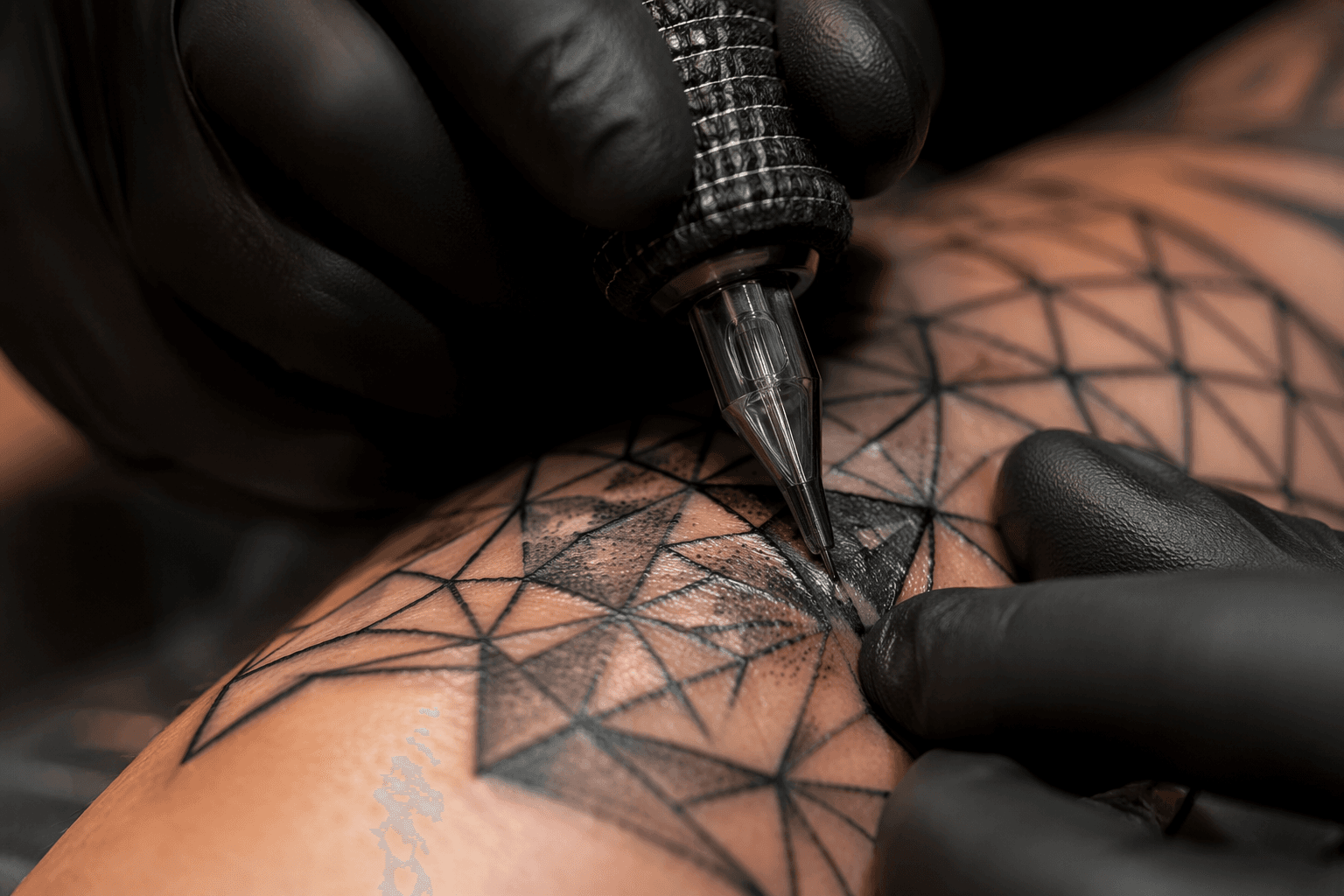
A 2025 ergonomic grip was added for long sessions, with the aim of making the cartridge feel like part of the artist’s rhythm rather than another variable to fight. That detail matters in geometric tattoos, where a sleeve element or large mandala can demand hours of steady, repetitive motion. A grip that supports endurance does not just improve comfort, it helps preserve the consistency of pressure and angle that geometric work depends on.
Safety membranes are now part of the standard conversation
Nexus is entering a market where cartridge safety is no longer treated as a niche feature. Cheyenne Tattoo says its patented Safety Membrane prevents backflow of ink and fluids into the tattoo machine, and Public Health Ontario notes that some tattoo cartridges contain membranes capable of preventing backflow between the cartridge and the machine body. For artists, that membrane is not an abstract engineering detail; it is one of the barriers separating a clean setup from contamination inside the machine.
Regulators have also sharpened the focus on hygiene. The Food and Drug Administration issued final guidance on October 22, 2024, addressing insanitary conditions in the preparation, packing, and holding of tattoo inks and the risk of microbial contamination. That followed a Safety Alert in May 2019 and warning letters in September 2019 tied to microbially contaminated tattoo inks. The message from federal oversight is clear: contamination control is now part of professional tattoo practice, not an optional extra.
That is why membranes, sterilization standards, and manufacturing discipline matter so much in cartridge design. In a geometric shop, where blackwork often depends on crisp negative space and uninterrupted flow, any hygiene failure can become a workflow failure too. Clean systems protect the client, but they also protect the consistency that geometry exposes so quickly.
The artist feedback loop behind the brand
Nexus says its needles were developed in collaboration with tattoo artists, and the company says it listens to feedback, criticism, and ideas from tattooers to drive product development. That matters because precision tools improve fastest when the people using them are the ones correcting them. In geometric work, that feedback has to be brutally practical: how the cartridge seats, whether the grouping lands the same way on every pass, and whether the grip supports the pace of a long session.
Nexus also says it works with distributors in Europe, which helps explain how the brand presents itself as part of a broader professional workflow rather than a one-off novelty. The company’s language is less about trend and more about repeatability, the kind of quiet infrastructure that lets an artist stay focused on symmetry, spacing, and the clean read of a finished pattern.
How the performance story gets checked
The June 12, 2026 InkedMag profile on Nexus adds an outside benchmark of its own: a six-month independent study led by lakytattoo and Maksim Zotovs that rated Nexus highly for consistency and reliability in the high-end category. For a geometric artist, that part of the story matters because high-end performance is only meaningful if the cartridge behaves the same way across long, exacting sessions, not just in a controlled demo.
That study reinforces the central logic behind the brand. If a cartridge keeps its grouping stable, its feel predictable, and its workflow easy to read, it becomes easier to maintain the kind of symmetry geometric tattooing demands. If it does not, the artist ends up compensating for hardware drift with extra corrections, and every correction leaves a trace.
Nexus is promising that the cartridge will disappear into the rhythm of the tattoo instead of interrupting it. For geometric artists, that is the real standard: the tool should hold the line, so the design can do the talking.
This article was produced by Prism’s automated news system from verified source data, official records, and press releases, then run through automated quality and moderation checks before publishing. The system is built and supervised by the people who set the standards it runs under. Read our full AI policy.
Know something we missed? Have a correction or additional information?
Submit a Tip