15 Libra constellation tattoo ideas for geometric tattoo fans
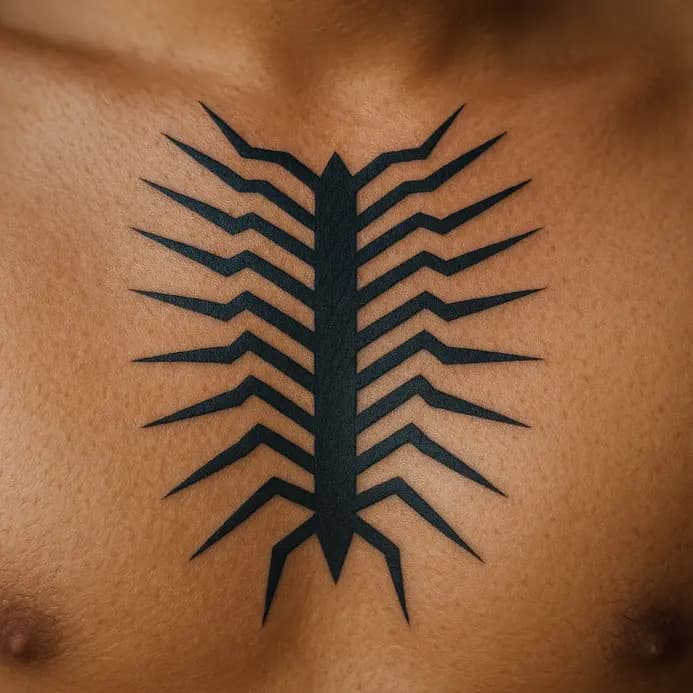
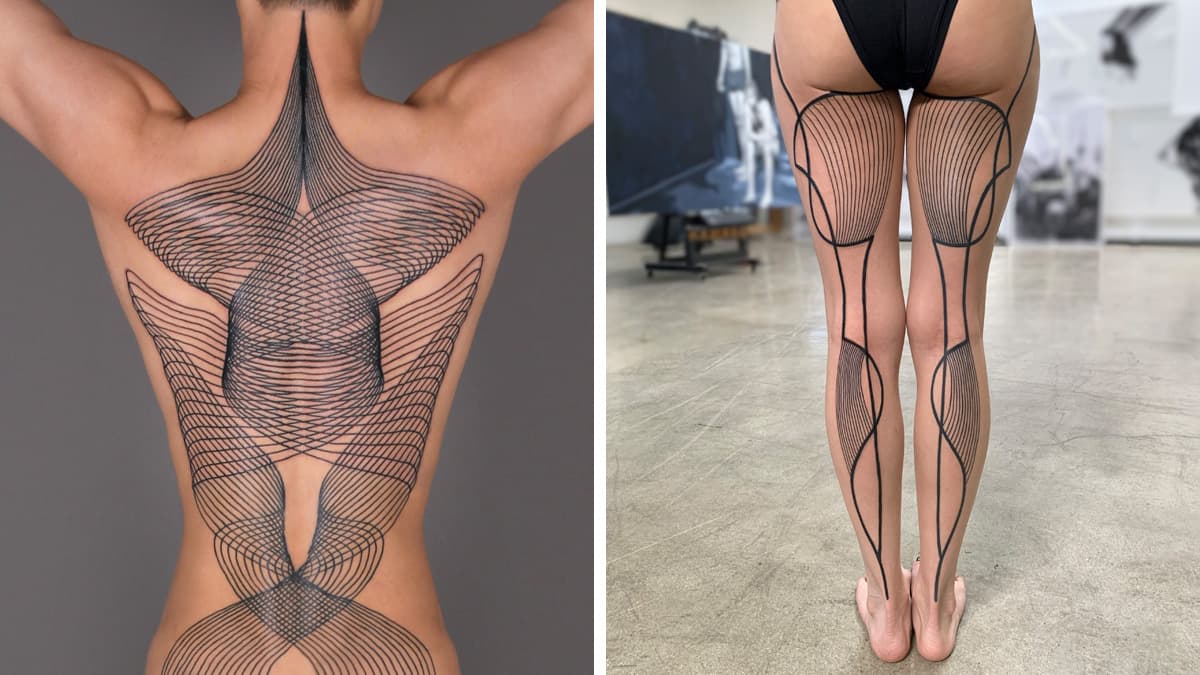
Libra works best when the dots stay honest, the lines stay light, and the placement respects movement. These 15 ideas lean geometric instead of zodiac-cute.
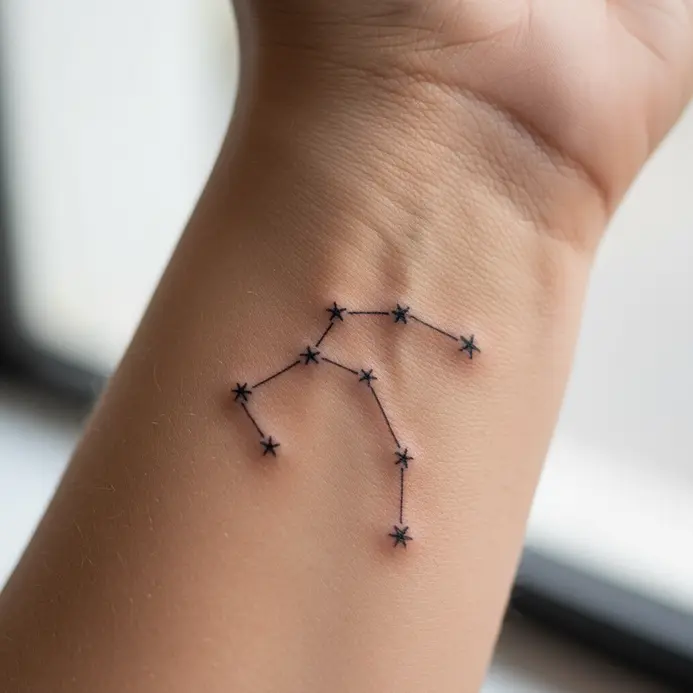
Libra constellation tattoos hit a sweet spot for geometric work because the design already behaves like a clean diagram. It sits in the southern sky between Scorpius and Virgo, carries the scales-of-justice symbolism, and leaves just enough structure for dot placement, symmetry, and negative space to do the heavy lifting.
Wrist micro-map
The wrist version is the classic minimalist move, but it only works if you respect how much that area flexes. Wrists can take longer to heal and may age less cleanly because they move constantly, so the cleanest read comes from tiny dots, short connections, and a composition that does not rely on hair-thin perfection.
Finger-side constellation
A finger-side Libra is all about restraint, because this is one of the highest-risk spots for delicate linework. Thin skin, little fat, and constant motion make the area more painful and harder on fine detail, so keep it to a few star dots and a very small connecting structure.
Inner forearm fine line
The inner forearm is where Libra starts to breathe a little. Tiny and fine-line tattoos have become extremely popular in recent years, and this placement gives the constellation room to stay airy without getting swallowed by motion the way a wrist piece can.
Collarbone balance
Libra’s scales symbolism makes the collarbone an easy win for symmetry-minded tattoo fans. The natural arc of the bone lets you place the stars in a way that feels measured rather than decorative, which is exactly what geometric tattoo people want when they are trying to avoid generic astrology flash.
Sternum symmetry
If you want the most literal connection to balance, put Libra at the center line. A sternum placement lets the dots and links mirror the body’s axis, and that central placement makes Astraea and the scales of justice feel embedded in the structure instead of tacked on as symbolism.
Shoulder blade chart
A shoulder blade version gives the constellation a flatter canvas, which helps the lines stay cleaner over time. That matters because tattoos on flatter, less mobile skin usually age better than pieces planted on joints or high-flex spots, and Libra’s sparse star map benefits from that stability.
Dotwork-only star map
This is the most geometric reading of Libra, and honestly one of the smartest. Because Libra is relatively faint and has few very bright stars, the design does not need heavy fill or busy ornamentation, just precise dots and disciplined spacing that make the constellation read like a measured pattern.
Orbital ring version
A thin orbital ring turns the constellation into a small astronomical system without crowding the stars. It works especially well for readers who want the tattoo to feel mapped rather than illustrated, because the ring reinforces order while the constellation stays light and open.
Floral frame with restraint
A little floral framing can soften Libra without sending it into generic zodiac territory. The trick is keeping the flowers secondary, almost like a border note, so the star map remains the center of gravity and the spacing still feels engineered.
Watercolor wash
A watercolor background can work if it behaves like atmosphere instead of a paint spill. Fine-line and dotwork do the structural work here, while the color sits behind them, because line weight matters and a constellation that looks elegant on a screen can go too faint once it hits skin.
Negative-space scales
This is the idea for someone who wants the symbolism without the obvious scales icon. Use empty skin to imply the balance, then let the constellation dots sit around it like an architectural sketch, which keeps the whole piece inside the geometric lane.
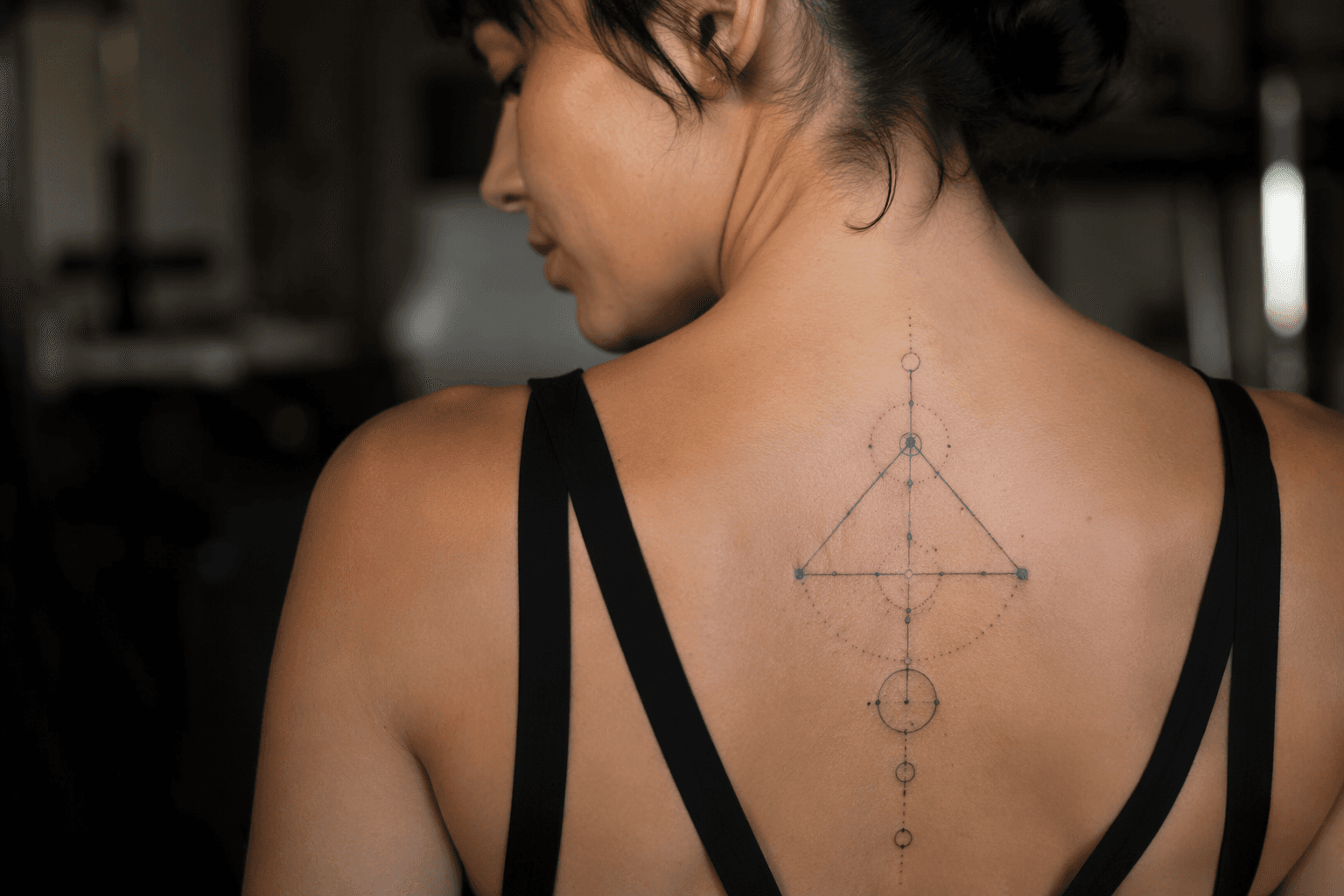
Spine-tracked constellation
A vertical spine placement gives Libra a more chart-like read, especially if the stars are stacked with careful spacing. It is a strong option if you want the tattoo to feel mapped and orderly, but it only works if the linework stays readable enough to survive the body’s movement.
Ankle constellation
The ankle is a compact place to test how little Libra needs before it disappears. Because movement can soften delicate work over time, this version is best kept simple, with a slightly firmer line choice so the stars do not break apart into faint fragments.
Astronomical chart piece
This is the most precise version of the whole idea, the one that leans hardest into structure. The International Astronomical Union standardized modern constellation boundaries in 1925 through Eugène Delporte’s proposals using right ascension and declination, and that same chart logic translates beautifully into a tattoo that feels designed rather than decorative.
Hybrid bold-line version
When you want Libra to stay crisp, give the artist enough line weight to survive the placement. Linework specialists warn that faint lines, shaky lines, and blowouts are common problems, and the American Academy of Dermatology also notes that skin can react in unexpected ways even when you follow aftercare, so keep the design readable from day one and keep your aftercare notes close, especially since many states do not require artists to provide them.
Libra works because it is both spare and loaded: a faint constellation with a strong symbol behind it, a map that can stay almost whisper-light or become a tightly measured geometric statement. That is why the best versions do not chase spectacle, they trust the dots, the spacing, and the placement to do the talking.
This article was produced by Prism’s automated news system from verified source data, official records, and press releases, then run through automated quality and moderation checks before publishing. The system is built and supervised by the people who set the standards it runs under. Read our full AI policy.
Know something we missed? Have a correction or additional information?
Submit a Tip