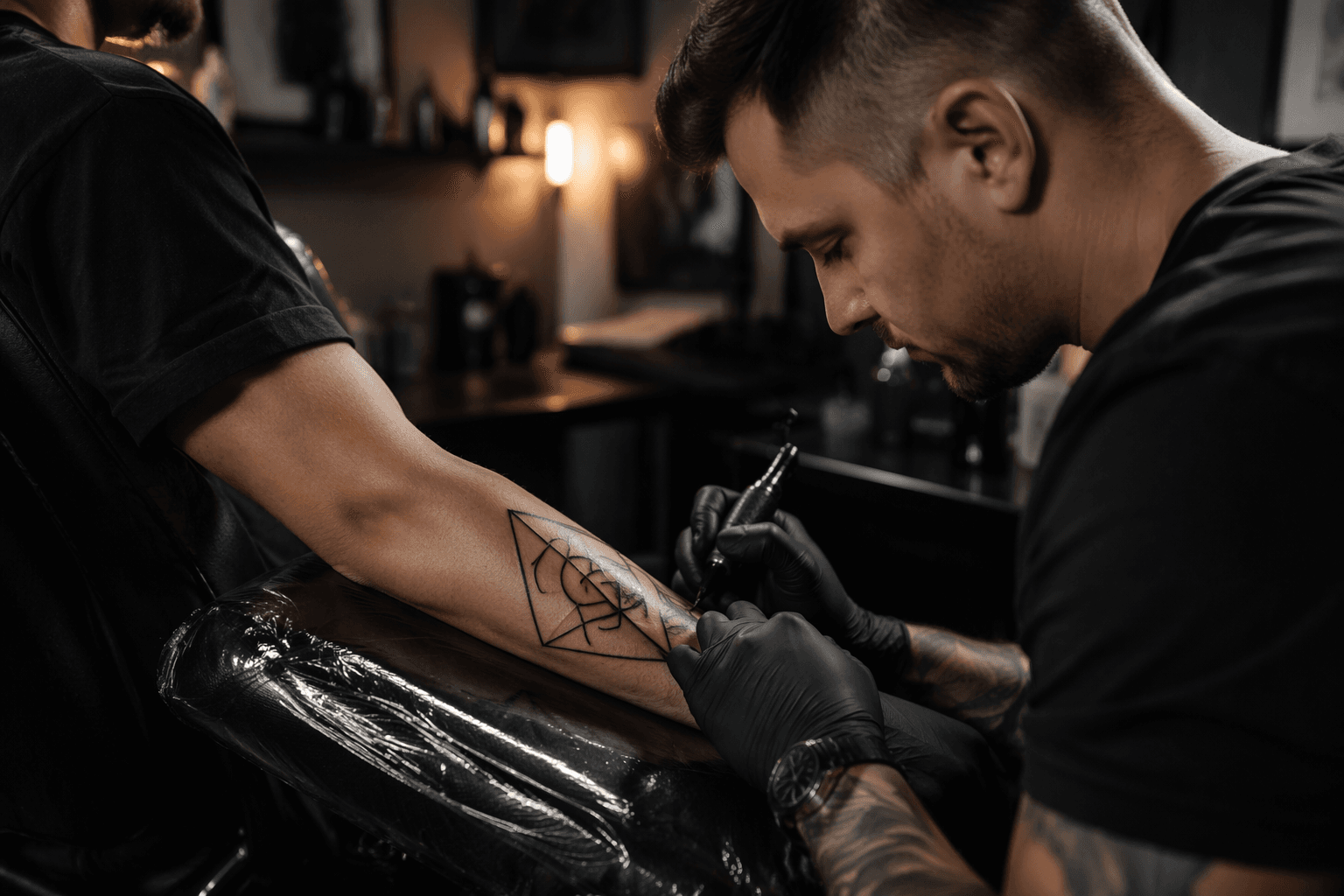
Tatspark Launches 500-Plus Geometric Tattoo Gallery With 3D Virtual Try-On Tool
With 500+ geometric designs now in one place, the template problem just got real. A new 3D try-on tool exposes why flat symmetry fails on real bodies.
When 500 near-identical Metatron's Cubes and Flower of Life designs land in a single searchable gallery, the originality question that geometric artists have quietly managed for years becomes impossible to ignore. Tatspark's new "500+ Precision Geometric Tattoo Ideas & Designs (2026)" gallery, which went live April 1, drops exactly that critical mass into one place, and the integrated 3D virtual try-on tool built into the landing page immediately surfaces a harder technical problem underneath the template boom.
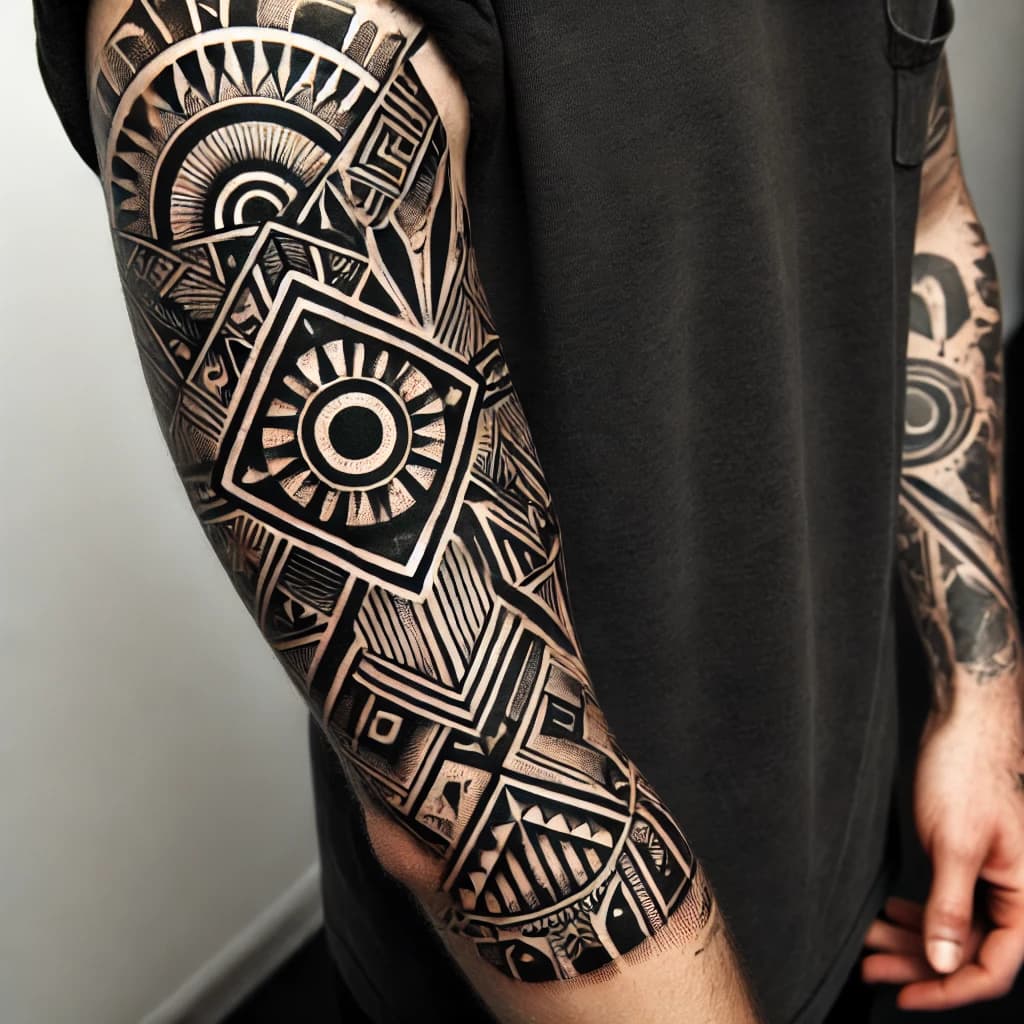
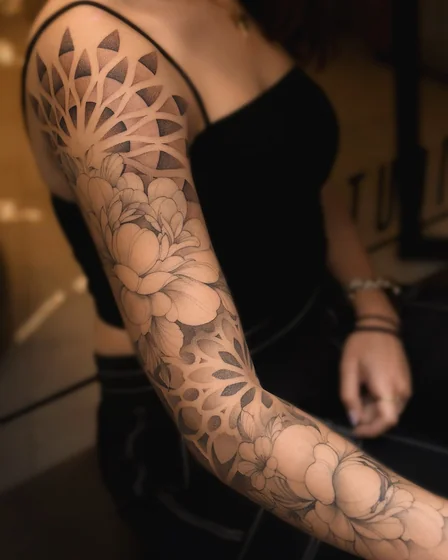
The gallery aggregates sacred geometry, mandala structures, dotwork texture studies, and minimalist wireframe pieces drawn from global tattoo portfolios. Flower of Life compositions, Metatron's Cube designs, and tessellation systems are explicitly featured among the curated motifs, precisely the work that already dominates saves and mood boards across the geometric niche. More reference images consolidated in one index accelerates client consultations. It also accelerates the moment a client arrives with a screenshot and calls it a custom brief.
The 3D try-on presents body maps in multiple positions and lets users preview how a geometric motif will read across forearms, calves, and ribcages before stencil time. That is a genuine planning tool. It also exposes the flat-mockup problem: symmetry on a screen is not symmetry on a body. Forearm rotation, calf muscle mass, and the lateral curve of a ribcage all shift the skin reference points a stencil assumes are fixed, and no flat render accounts for that movement.
Tatspark's own site frames the technical stakes directly, describing geometric work as demanding "absolute precision, symmetry, and the perfect execution of straight lines and circles" and noting that artists rely on "high-tech thermal printers or digital design tools to ensure the stencil is mathematically perfect before it touches your skin." A mathematically perfect file does not survive a calf flex or a ribcage breath if the placement never accounted for the body's actual landmarks.

Vetting any reference image before it reaches skin, whether pulled from a 500-piece gallery or drawn from scratch, requires three concrete checks before committing. Start with landmark mapping: identify the bony or muscular anchors the design's center point will sit on, the tibial crest for a shin placement or the olecranon for an elbow wrap, and mark them directly on the client before the stencil comes out. Then run a distortion check by photographing the placement area in both relaxed and flexed positions; a mandala that sits true at rest can shear by several millimeters under tension, which is enough to collapse a dotwork ring. Finally, press the printed transfer against the skin and shoot a stencil test photo from the angle the finished tattoo will be viewed at most. Flat symmetry and curved symmetry are different animals.
For studios billing by the hour on complex sleeves, the gallery's scale makes it a useful visual vocabulary, and the 3D tool narrows the gap between a client's screen inspiration and a technically grounded placement. The template boom it represents is a harder conversation, and the geometric community is the one that will need to have it first.
This article was produced by Prism’s automated news system from verified source data, official records, and press releases, then run through automated quality and moderation checks before publishing. The system is built and supervised by the people who set the standards it runs under. Read our full AI policy.
Did this article answer your question?