Dan Houser says GTA’s real appeal is its living systems
At Tribeca, Dan Houser framed GTA’s magic as living systems, not perfect missions, tying Liberty City’s chaos to the franchise’s 215 million-seller scale.

Dan Houser made the case at Tribeca that Grand Theft Auto has never been about following the main path perfectly. The appeal, he suggested, comes from a world that feels alive enough to absorb whatever players decide to do next, whether that means chasing the story, roaming for trouble, role-playing, or poking at the simulation until something unexpected happens.
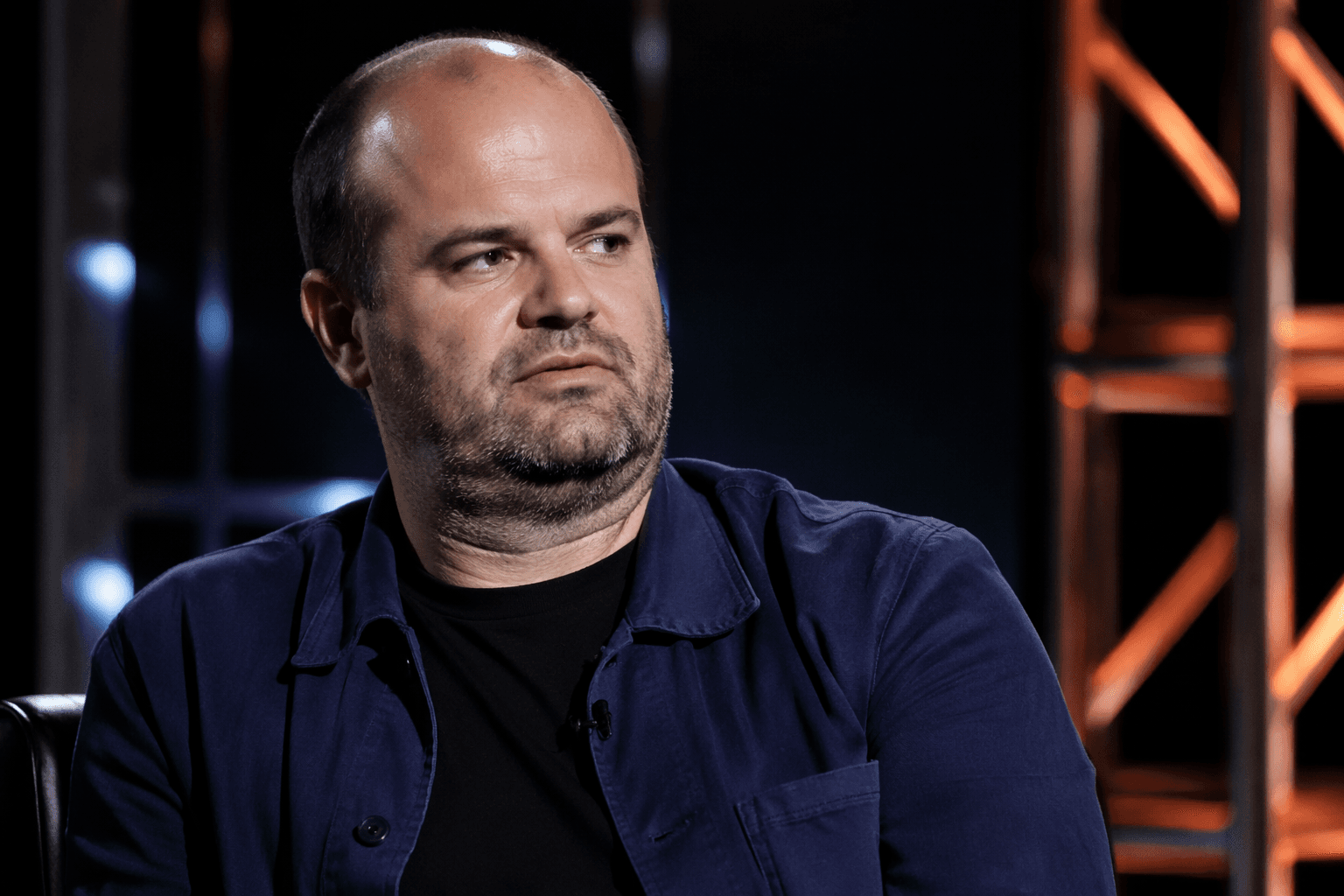
Houser spoke at “Luminaries: Dan Houser’s Absurd Ventures” during the Tribeca Storytelling Summit at Spring Studios in New York City, alongside Lazlow, Tim Wiesch of Dark Horse Comics, Kevin Anderson, and Paul Lee of Smilegate. The panel sat inside a larger June 4 to June 13 program built around storytelling, and Houser used the stage to talk as much about worldbuilding as about games. He said he would like players to finish the story, because so much work goes into it, but he was equally comfortable with people who never touch the final mission and instead treat the map like a toy box.
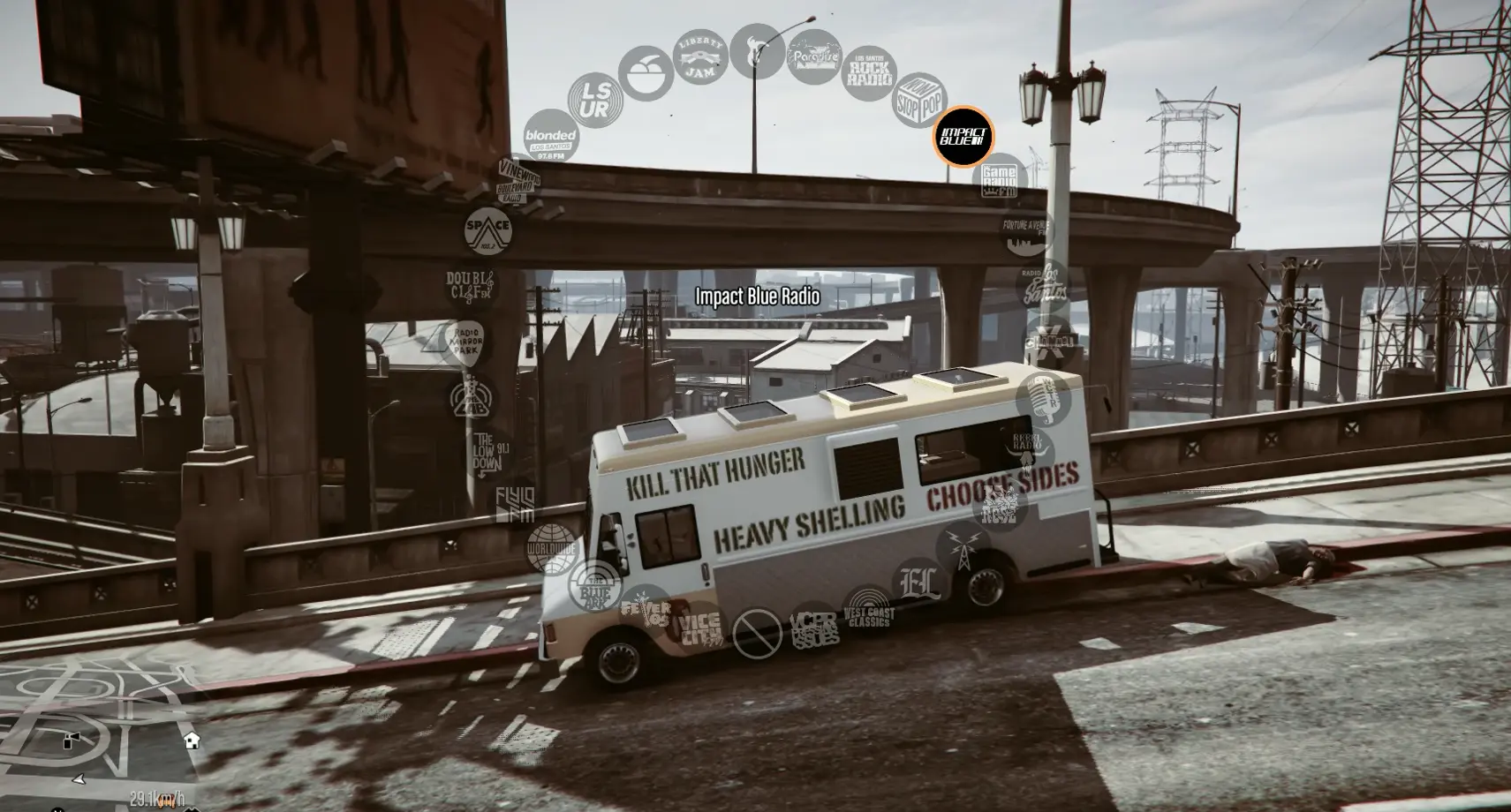
That is the part of GTA culture Houser kept circling back to: the systems. In practice, that means the way an ordinary street scene can tilt into chaos when NPCs react, police level up the response, traffic behaves like a living hazard, and the physics engine turns a bad turn or a mistimed jump into a story worth retelling. It is the difference between a sandbox that looks busy and one that actually pushes back. Houser’s point was that the writing matters, but the fun comes from the machine underneath the writing, the part players can bend, break, and remember.
The philosophy goes back to Grand Theft Auto III, released in 2001, the game Rockstar still describes as the place “where it all began.” From there, Houser said Rockstar tried to get more people to complete the main story, but the player still decided how to engage with the world. That remains the series’ defining bargain: missions for structure, systems for surprise.
The business case is just as stark. Take-Two’s fiscal 2025 results, released on May 15, 2025, said Grand Theft Auto V and GTA Online were among its biggest contributors, and that Grand Theft Auto VI would arrive in fiscal 2027. The same figures put GTA V at 215 million lifetime copies sold, while reporting around those results placed the full Grand Theft Auto franchise at roughly 450 million to 455 million units. Red Dead Redemption 2 had reached about 74 million copies sold as well.
Houser left Rockstar in 2020 and later founded Absurd Ventures, which says it focuses on storytelling, philanthropy, and ultraviolence. Even from outside Rockstar, he was still describing the same thing that has kept GTA and Red Dead alive for years: not just the missions, but the living systems that make every detour feel like the real game.
This article was produced by Prism’s automated news system from verified source data, official records, and press releases, then run through automated quality and moderation checks before publishing. The system is built and supervised by the people who set the standards it runs under. Read our full AI policy.
Did this article answer your question?