pdComp beta brings real patrol terminal workflow to LSPDFR
pdComp swaps LSPDFR’s menu-heavy police computer for a live patrol terminal, but its beta status and CDF setup make it best for players chasing realism.
pdComp changes the rhythm of a patrol
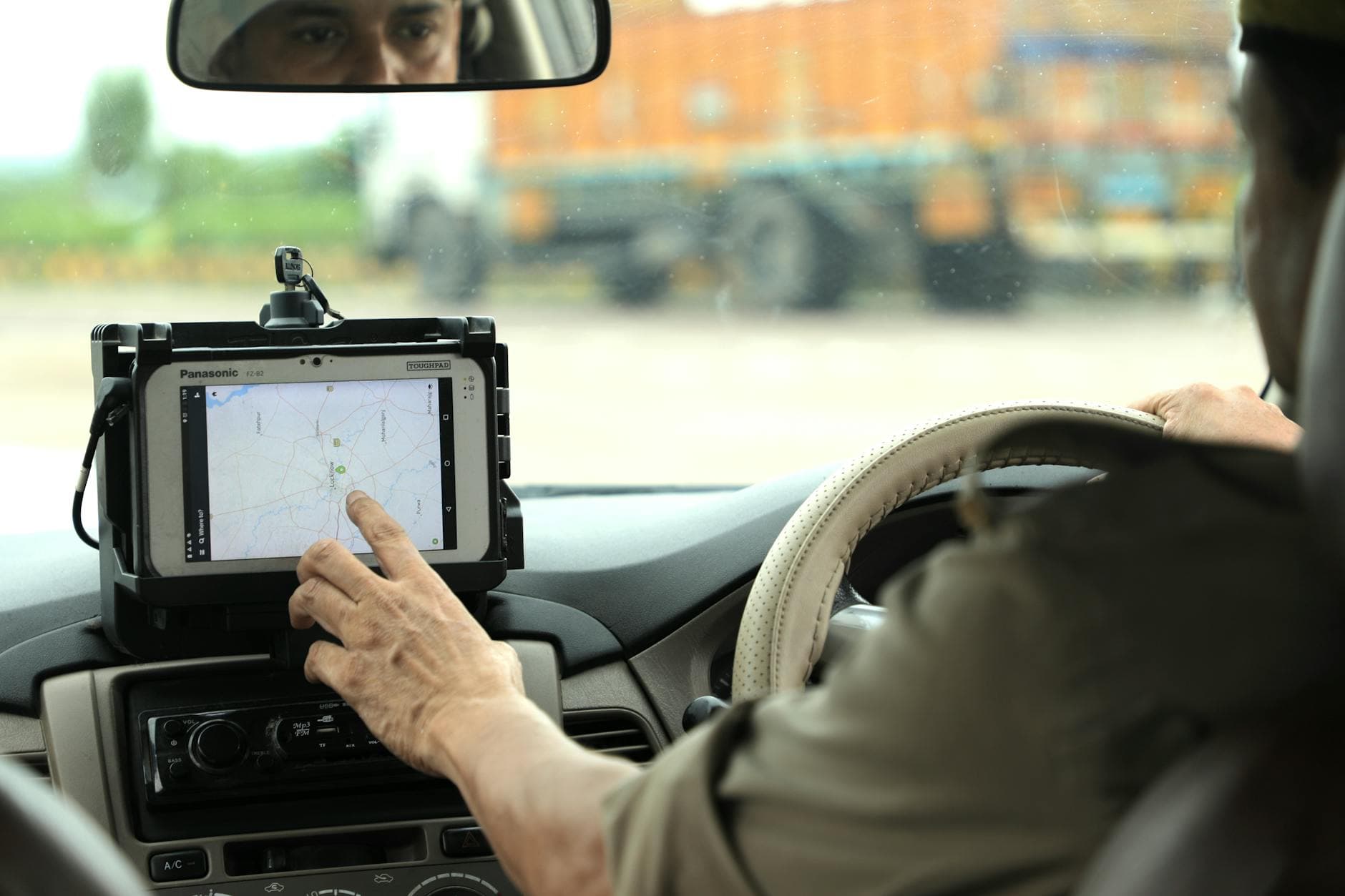
pdComp is not trying to be another tiny convenience script. Created by CossackGames and currently at version 0.1.5, it aims to replace LSPDFR’s older menu-driven computer with something that feels much closer to a real patrol terminal. That shift matters because the computer side of a stop is usually where the flow slows down, and pdComp is built to keep that paperwork, checking, and follow-through inside one immersive interface.
The plugin is explicitly in beta, and the author says bugs are expected while it matures. That warning is part of the story, because pdComp is meant to handle the everyday administrative work of a police-roleplay session, not just sit there as a cosmetic tweak. It is designed for players who want the stop, the search, the report, and the aftermath to feel like one connected process instead of a chain of separate menus.
What the workflow actually covers
The big appeal is how much of the patrol loop pdComp is trying to absorb. According to the file page, it can handle plate checks, suspect searches, citation issuing, arrest filing, evidence processing, and court case tracking from the same interface. That is a broad enough list to change how a whole shift feels, because it pulls the most repetitive parts of policing into the same screen that you use to manage the stop itself.
For roleplay, that means less menu juggling and more continuity. Instead of bouncing between systems to move from a traffic stop to a citation to an arrest report, pdComp is built to keep the sequence readable and centralized. If it lands the way CossackGames intends, the payoff is not just speed. It is the sense that the patrol computer is part of the scene rather than a detached admin tool.
Why the CDF integration matters
pdComp’s strongest technical hook is its optional deep integration with Policing Redefined through the Common Data Framework. That is where this stops looking like a single mod and starts looking like part of a wider ecosystem. Common Data Framework, or CDF, is described as an open-source LSPDFR plugin and API that offers extended vehicle and pedestrian record handling, plus synchronization across plugins.
That matters because CDF is already tied to the upcoming Policing Redefined plugin and is intended for current and future plugins as well. In practical terms, pdComp is being built to sit inside a shared data layer rather than live as an isolated utility. For players who like modular police setups, that is a big deal: it suggests a future where records, stops, and case data can flow more naturally between tools.
The other thing the integration signals is momentum. A new Discord community is being pointed to for support and updates, which usually means the author expects active iteration and a lot of player feedback. That kind of setup is rarely static, and in a beta project that is both the promise and the risk.
How it compares with older patrol computer mods
If pdComp feels familiar, that is because LSPDFR has been here before. LSPDFR Computer+ appeared about a decade earlier, and it was framed as bringing back the older LCPDFR computer with its user-friendly realistic interface. That gives pdComp an interesting place in the mod’s family tree: it is not inventing the idea of a more authentic police computer, but it is pushing that idea toward a more integrated, systems-driven version.
The comparison also shows how the niche has matured. The old appeal was restoring a realistic interface. pdComp goes further by trying to make the computer part of a broader procedural workflow, especially when paired with Policing Redefined and CDF. The result is less nostalgia and more simulation, which is exactly why it stands out in a crowded LSPDFR scene.
Who gets the most out of it
pdComp is aimed squarely at players who care about realism and immersion, but who still want control over patrol pace. That combination is important. Some plugins make a setup feel busier without making it feel better, but pdComp is trying to reduce friction in the exact places where police-roleplay usually feels mechanical.
The best fit is likely a player who already enjoys longer, process-heavy sessions: stopping cars, running plates, searching suspects, writing citations, filing arrests, and keeping track of evidence and cases. If your ideal patrol is about narrative continuity and procedure, pdComp looks like a strong match. If your current setup already feels stable and you value reliability over added depth, the beta label is the first thing to respect.
The setup tradeoff is real
The biggest hurdle is simple: beta software asks for patience. CossackGames is upfront that bugs are expected, and that should weigh heavily if you are running a polished patrol stack you do not want to disturb. pdComp is not just another plug-and-play novelty, especially if you want the optional CDF path and the broader Policing Redefined ecosystem around it.
That said, the mod is entering with signs of immediate ecosystem support. A community file titled pdComp charges, plus another download that adds 175 charges and 90 citations for pdcomp, suggests other creators are already building around it. Early add-ons like that usually mean people see a tool worth extending, not just testing once and forgetting.
A sign of where LSPDFR is headed
Policing Redefined itself has been described as a major new-era plugin after two years of development, and pdComp fits that same direction. The modern LSPDFR scene is leaning away from one-off gimmicks and toward connected systems that mirror real procedure more closely. pdComp is one of the clearest examples of that shift because it tries to make the patrol terminal itself feel like part of the job.
That is why the old computer comparison matters so much. The earlier mods brought back the look and feel of a realistic interface; pdComp tries to rebuild the actual rhythm of the work. For players ready to trade a stable old menu flow for a more convincing patrol terminal, this beta is aiming right at the center of what makes police-roleplay feel alive.
This article was produced by Prism’s automated news system from verified source data, official records, and press releases, then run through automated quality and moderation checks before publishing. The system is built and supervised by the people who set the standards it runs under. Read our full AI policy.
Did this article answer your question?