Take-Two CEO defends GTA 6 delay, says Rockstar avoids crunch overtime
Take-Two is calling GTA 6’s slip to November 19, 2026 an anti-crunch move, but Rockstar’s labor fight and old 100-hour-week backlash make that claim hard to trust.
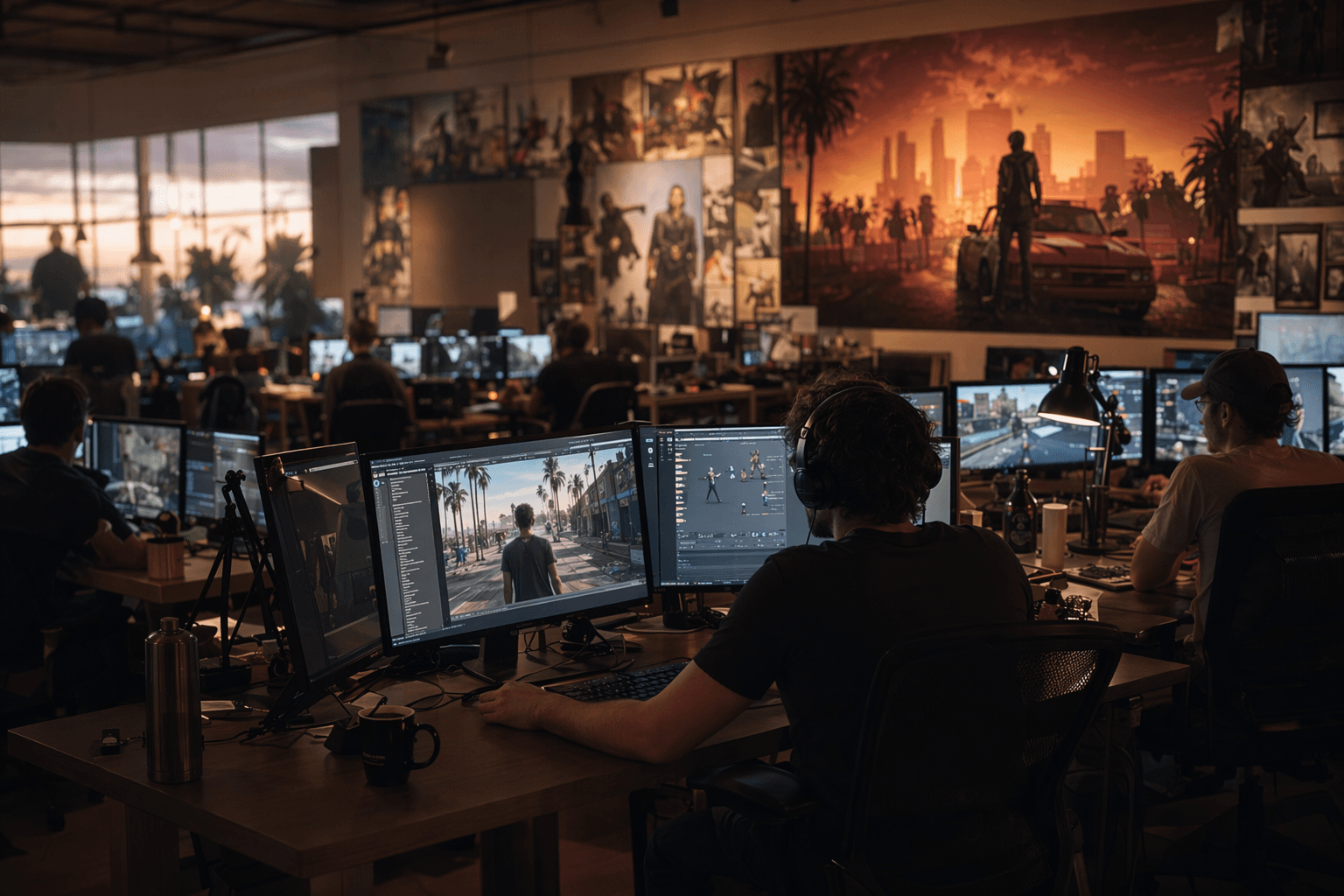
Take-Two is trying to frame the GTA 6 delay as a cleaner way to ship, not a warning sign. Strauss Zelnick has argued that Rockstar would rather take the extra time than force staff into crunch, and he cast that choice in simple terms: do the homework, avoid the all-nighter. The message is clear enough, but so is the test. If Rockstar is really using the delay to protect its people, the extra months need to be going into polish, bug fixing, performance work, and certification, not another round of hidden overtime.
Rockstar Games said GTA VI will now release on Thursday, November 19, 2026, and tied the added time directly to finishing the game with a higher level of polish. Take-Two has also scheduled its fourth-quarter and full fiscal 2026 results call for May 21, 2026, which now stands as the next major checkpoint for any fresh detail on where development really sits. That timing matters because the difference between a healthy delay and a messy one usually shows up in the state of the game itself. If the build is already feature-complete, then extra months can be spent on stability, balancing, load times, platform fixes, and the long grind of making a giant open world hold together. If it is not, the delay just pushes the crunch further down the road.
The problem for Rockstar is that the company’s labor reputation has never been easy to separate from its release rhythm. In November 2025, more than 30 Rockstar North staff members were fired in Edinburgh, and the Independent Workers’ Union of Great Britain said the dismissals were retaliation linked to trade-union activity. The union also said some affected workers were on sponsored visas or had medical conditions that could threaten workplace healthcare access. More than 200 current Rockstar North employees later signed an open letter demanding reinstatement, while protests and legal claims spread beyond Edinburgh to London and Paris.
That history is why Zelnick’s anti-crunch defense lands as both reassurance and scrutiny. Rockstar has been carrying the industry’s crunch baggage since at least 2018, when Dan Houser’s remark about 100-hour weeks on Red Dead Redemption 2 triggered a backlash that never really left the studio’s name. So when Take-Two says the delay is about avoiding overtime, the market hears one thing and the GTA community hears another: the real question is not whether Rockstar wants polish, but whether November 2026 is giving the team enough room to finish the game without burning it out.
This article was produced by Prism’s automated news system from verified source data, official records, and press releases, then run through automated quality and moderation checks before publishing. The system is built and supervised by the people who set the standards it runs under. Read our full AI policy.
Did this article answer your question?