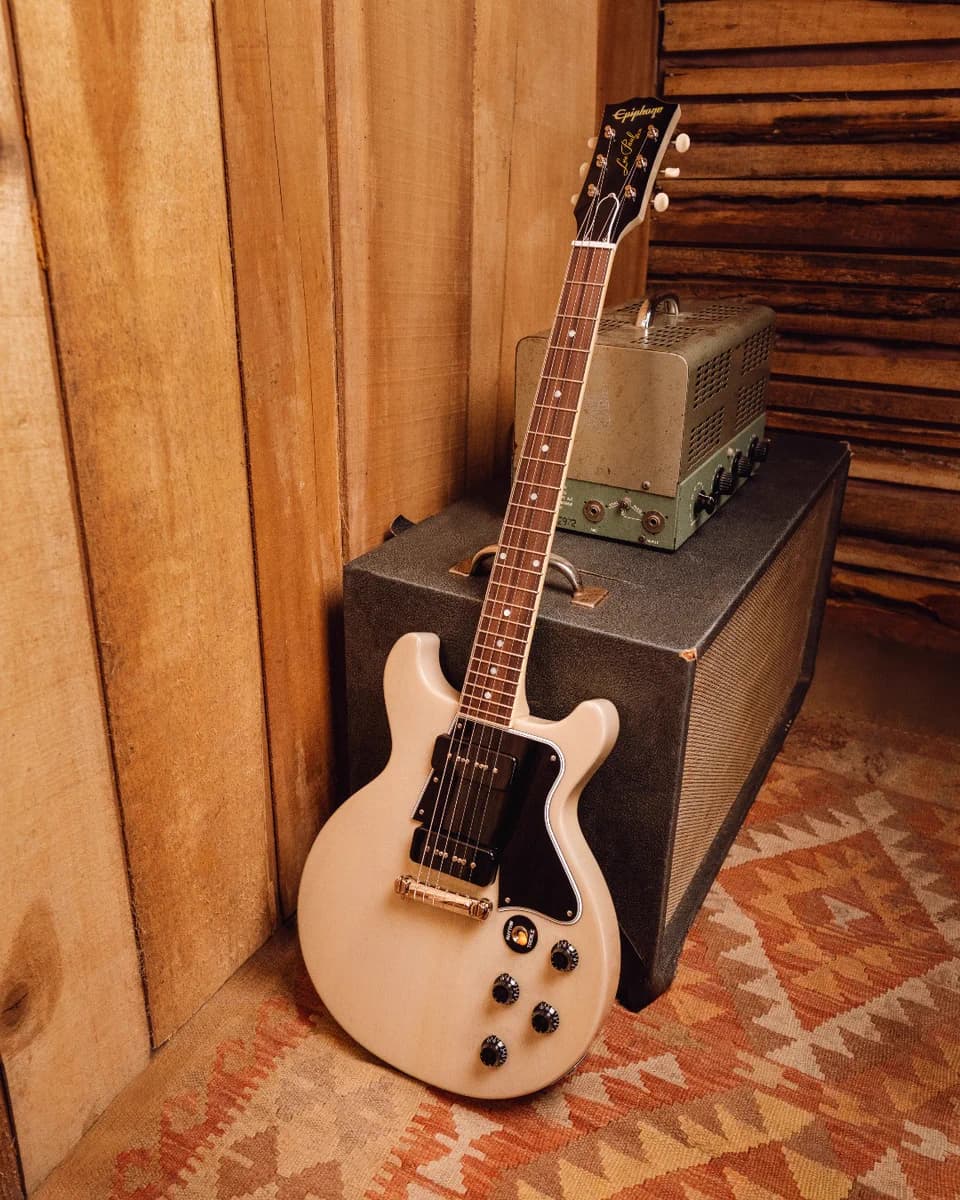
Dame Guitars turns fake relic wear into a real product
Dame Guitars has turned a Chibson USA joke into relic sticker decals, a reversible way to fake stage wear without sanding, checking or aging a guitar for real.
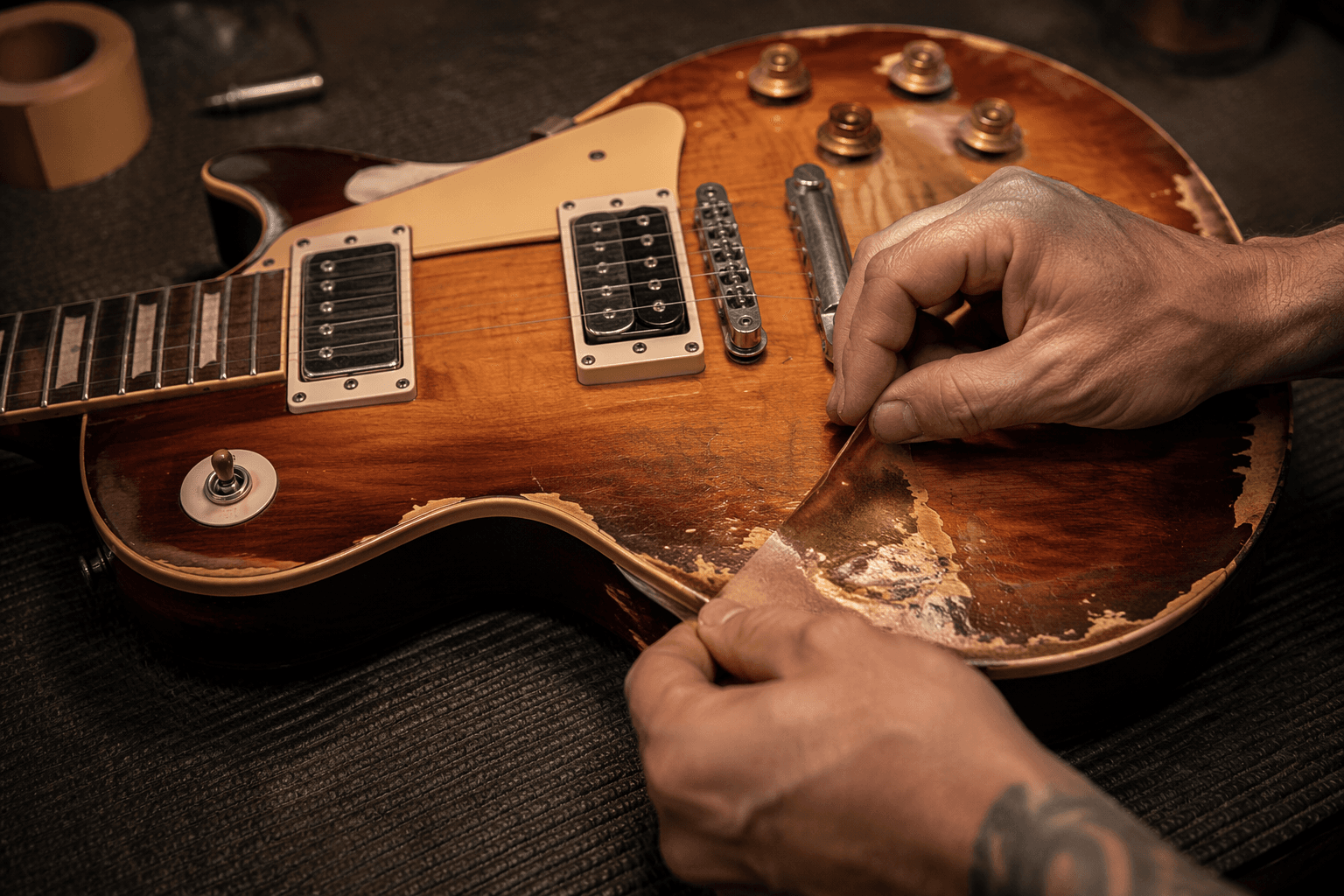
Dame Guitars has turned relic sticker decals into a real product, taking a joke that started at Chibson USA and turning it into a reversible way to fake years of wear on a guitar. The appeal is obvious: players can get the battered, road-worn look without putting a finish through actual abuse, road rash or an expensive custom-shop aging job.
That lands squarely in a guitar culture that has spent decades arguing over what counts as authentic. Fender is widely credited with making relicing mainstream when its Custom Shop introduced the Relic Series in 1995, first shown at Winter NAMM in Nashville, Tennessee. Before that, fake aging mostly showed up in restoration work, where repair jobs had to match an older instrument, or in outright forgeries. The vintage boom of the early 1990s changed the stakes as 1950s and 1960s Fenders and Gibsons became desirable enough that wear itself became part of the value, and some early Fender relic prototypes were even displayed in glass cabinets at NAMM and mistaken for original vintage pieces.
The market never really stopped expanding after that. Gibson’s Murphy Lab in Bozeman, Montana, says it simulates everything from subtle case-queen wear to decades of touring wear, using a reverse-engineered formula of nitrocellulose lacquer from the 1950s and 1960s. Gibson says it offers four aging levels: Ultra Light, Light, Heavy and Ultra Heavy. Solar Guitars has also pushed the idea further with its RELIK line of highly distressed models, while Charvel’s Pro-Mod line shows how broadly normal the conversation around new guitars with aged character has become, even when the brand’s focus is performance rather than relicing.
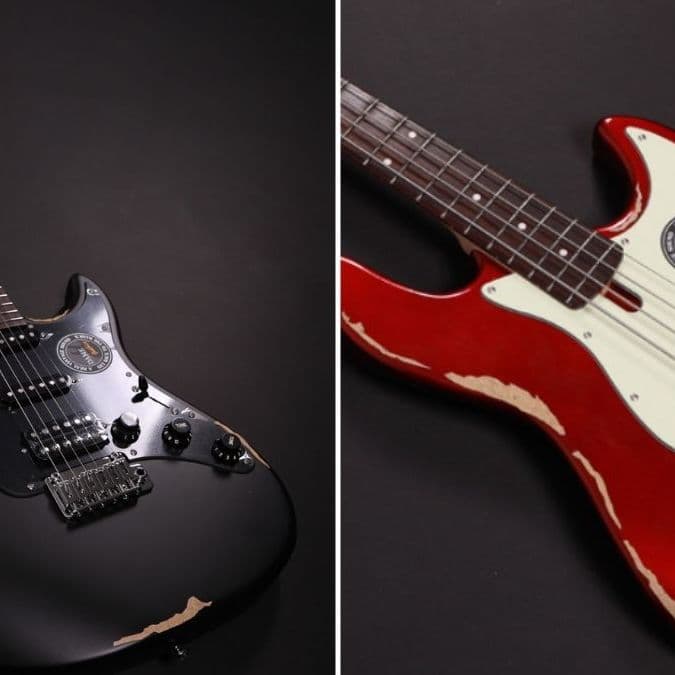
Dame Guitars’ version pushes the relic idea out of the Custom Shop world and into accessory territory. That makes the tradeoff easy to see. A true relic finish costs more and stays attached to the instrument. Natural wear takes time, and it usually reflects hard use. DIY aging can be unpredictable and can hurt finish integrity. Sticker decals are cheaper in concept, lighter on the guitar and fully reversible, which also makes them easier on resale than permanent damage. For players who want the vibe of a beat-up stage guitar without actually beating up a guitar, that is the whole point.
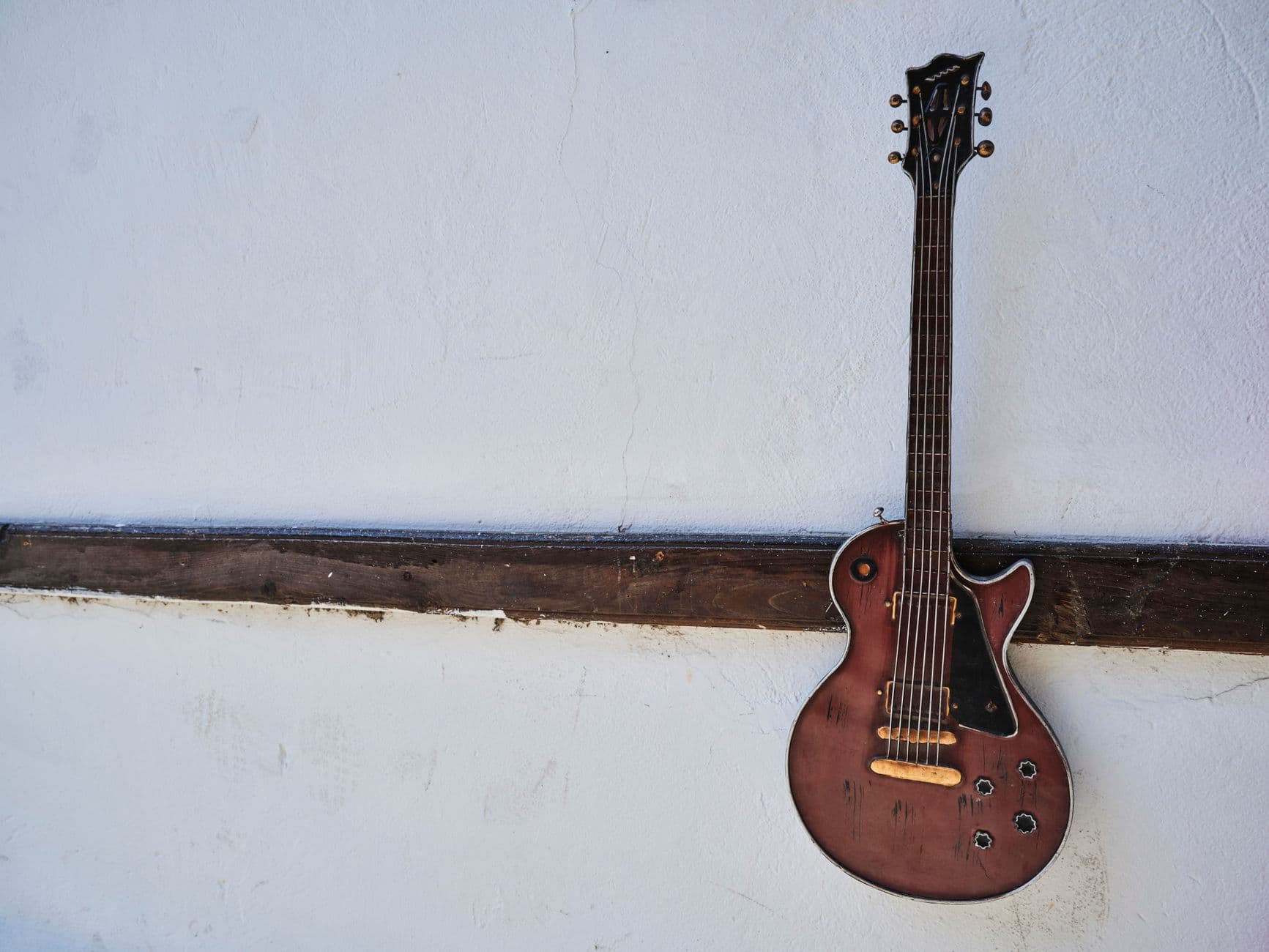
For purists, the question is whether the line has finally gone from tasteful aging to fake mojo. Dame Guitars is betting that plenty of players want the look of an old warrior, just not the scars that come with earning it.
This article was produced by Prism’s automated news system from verified source data, official records, and press releases, then run through automated quality and moderation checks before publishing. The system is built and supervised by the people who set the standards it runs under. Read our full AI policy.
Did this article answer your question?